
At a Glance
- Fondom: Mbiame Fondom
- Number of Villages: 35
- Main Occupation: Agriculture
- Staple Crops: Maize and beans are cultivated in almost every village.
- Major Cash Crops: Coffee, cocoa and sugarcane.
- Main Farming Systems: Crop farming, livestock rearing, fruit farming, market gardening and beekeeping.
- Agricultural Advantage: Fertile soils, favourable climate and diverse landscapes.
- Importance: Together, the 35 villages make Mbiame breadbasket of Bui Division and neighbouring Communities.
Introduction
Agriculture is the foundation of life across the 35 villages that make up Mbiame Fondom. While each village has its own unique landscape and farming strengths, all contribute to the agricultural prosperity for which Mbiame is widely known.
Although maize and beans are cultivated in almost every village, differences in altitude, soil type, rainfall and terrain have enabled communities to specialise in a wide variety of other crops, including Irish potatoes, cassava, cocoyam, vegetables, fruits, coffee and cocoa. This diversity ensures that Mbiame produces food throughout the year while supplying markets within and beyond the Fondom.
The agricultural richness of Mbiame is therefore not the result of a single village or farming system. Rather, it is the combined contribution of all 35 villages, each making use of its natural environment to cultivate crops and rear livestock suited to local conditions.
🌾 Did You Know?
While maize and beans are grown in nearly every village of Mbiame, variations in altitude, soil and climate allow different communities to specialise in crops such as Irish potatoes, cassava, vegetables, coffee and fruit trees. This diversity is one of the key reasons Mbiame has earned its reputation as breadbasket of Bui Division and neighbouring communities in Noun, Donga-Mantung and Mayo Banyo Divisions .
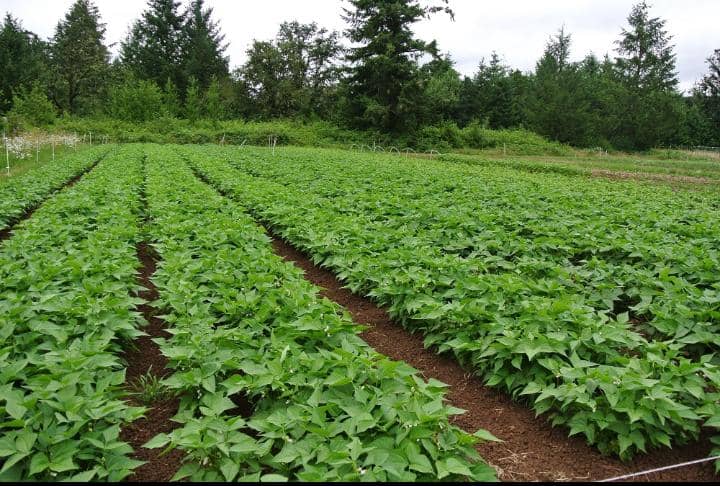
Fig 1: BEANS CULTIVATION IN MBIAME
Why Agriculture Varies Across the Villages
Although the villages of Mbiame share a common agricultural heritage, they do not all have identical farming conditions. The Fondom's varied topography, fertile soils and favourable climate create different environments that influence the crops and farming systems found in each community.
Cooler highland areas are especially suitable for Irish potatoes, beans and temperate vegetables, while relatively warmer areas favour cassava, cocoyam, plantains and yams. Fertile valley bottoms support vegetable production and, where water is sufficient, rice cultivation. Open grasslands also provide excellent grazing land for livestock.
These natural variations allow the villages to complement one another, creating a highly diversified agricultural system across the Fondom.
| Landscape | Common Agricultural Activities |
|---|---|
| Highlands | Irish potatoes, beans, vegetables and livestock |
| Gentle slopes | Maize, cassava, cocoyam and yams |
| Valley bottoms | Vegetables, rice and dry-season farming |
| Grasslands | Cattle, goats and sheep grazing |
| Homesteads | Fruit trees, poultry and kitchen gardens |
Agriculture Across the 35 Villages
The following table highlights the principal crops commonly cultivated across the villages of Mbiame Fondom. While these are among the dominant crops, many farmers also cultivate vegetables, fruit trees and other seasonal crops depending on local environmental conditions.
| No. | Village | Main Cultivation Crops |
|---|---|---|
| 1 | Bahsan | Maize, beans, Irish potatoes, cocoyam |
| 2 | Dzemkir | Maize, beans, Irish potatoes, cabbage |
| 3 | Jamoh | Maize, beans, cocoyam, cassava |
| 4 | Kinstem | Maize, beans, Irish potatoes, vegetables |
| 5 | Koko | Maize, beans, cocoyam, plantain |
| 6 | Kovnjoh | Maize, beans, Irish potatoes |
| 7 | Kovki | Maize, beans, Irish potatoes, carrots |
| 8 | Kovshon | Maize, beans, cocoyam, vegetables |
| 9 | Lam | Maize, beans, cassava, cocoyam |
| 10 | Lip | Maize, beans, Irish potatoes |
| 11 | Mantum | Maize, beans, Irish potatoes, cabbage |
| 12 | Mbande | Maize, beans, cocoyam, cassava |
| 13 | Mbohnso | Maize, beans, Irish potatoes, vegetables |
| 14 | Mbokov | Maize, beans, Irish potatoes |
| 15 | Mbolah | Maize, beans, cocoyam, cassava |
| 16 | Mbonchari | Maize, beans, Irish potatoes, carrots |
| 17 | Mbonstem | Maize, beans, Irish potatoes |
| 18 | Mboshong | Maize, beans, cocoyam, vegetables |
| 19 | Mumyu | Maize, beans, cassava, cocoyam |
| 20 | Ngorin | Maize, beans, Irish potatoes |
| 21 | Nkong | Maize, beans, Irish potatoes, cabbage |
| 22 | Njanawa | Maize, beans, cocoyam, vegetables |
| 23 | Nkohnin | Maize, beans, Irish potatoes |
| 24 | Old Camp | Maize, beans, vegetables, plantain |
| 25 | Reeh | Maize, beans, Irish potatoes, carrots |
| 26 | Rifem | Maize, beans, cocoyam, cassava |
| 27 | Sancho | Maize, beans, Irish potatoes |
| 28 | Sang | Maize, beans, Irish potatoes, vegetables |
| 29 | Shuken | Maize, beans, Irish potatoes |
| 30 | Shukov | Maize, beans, cocoyam, vegetables |
| 31 | Tahmborong | Maize, beans, Irish potatoes |
| 32 | Tanyar | Maize, beans, Irish potatoes, cabbage |
| 33 | Tiywong | Maize, beans, cocoyam, cassava |
| 34 | Yawum | Maize, beans, Irish potatoes, vegetables |
| 35 | Bimekpu | Maize, beans, Irish potatoes, cocoyam |
Agricultural Patterns Across Mbiame
Although each village has its own farming characteristics, several clear agricultural patterns emerge across the Fondom.
1. Highland Farming
The cooler highland areas are especially favourable for crops that thrive in lower temperatures, including:
- Irish potatoes
- Beans
- Cabbage
- Carrots
- Other temperate vegetables
These crops contribute significantly to the food supply and commercial agriculture of Mbiame.
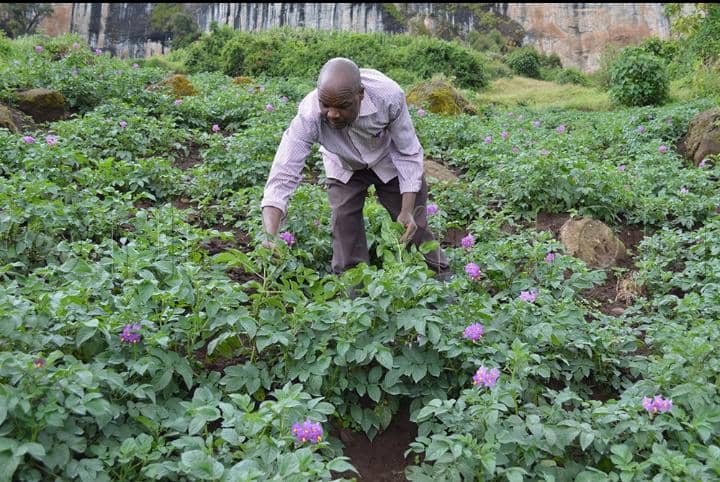
Fig 2: IRISH POTATO CULTIVATION IN MBIAME
2. Lower and Warmer Areas
Villages located in relatively warmer areas commonly cultivate:
- Cassava
- Cocoyam
- Plantains
- White yam
- Yellow yam
- Sweet yam
These crops are valued for their adaptability and their importance as staple foods.
3. Valley Farming
The fertile valleys and areas bordering streams are ideal for market gardening and dry-season farming.
Common crops include:
- Tomatoes
- Cabbage
- Carrots
- Green pepper
- Leeks
- Onions
- Garden eggs
- Huckleberry (Njama Njama)
Where water is available throughout the year, some valley areas also support rice cultivation.
_PnEzjBn.jpg)
Fig 3: MBIAME HUCKLEBERRY (NJAMA NJAMA) VEGETABLES
Crops Cultivated Across the Fondom
Although each village has its own agricultural strengths, several crops are cultivated throughout Mbiame and form the backbone of household food security and commercial farming.
Staple Food Crops
The most widely cultivated staple crops include:
- Maize
- Beans
- Irish potatoes
- Sweet potatoes
- Cassava
- Cocoyam
- White yam
- Yellow yam
- Sweet yam
- Rice
These crops provide the daily food requirements of most households and are also sold in local and regional markets.
_M6wMZ78.jpg)
Fig 4: MAIZE CULTIVATION IN MBIAME
Major Cash Crops
In addition to food crops, farmers cultivate several crops primarily for income generation.
These include:
- Arabica coffee
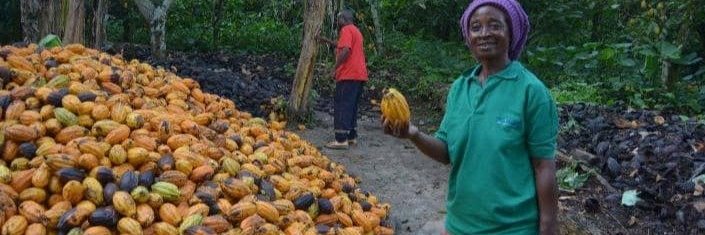
- Cocoa
- Sugarcane
Coffee remains one of Mbiame's traditional cash crops, while cocoa and sugarcane provide additional opportunities for farmers to diversify their sources of income.
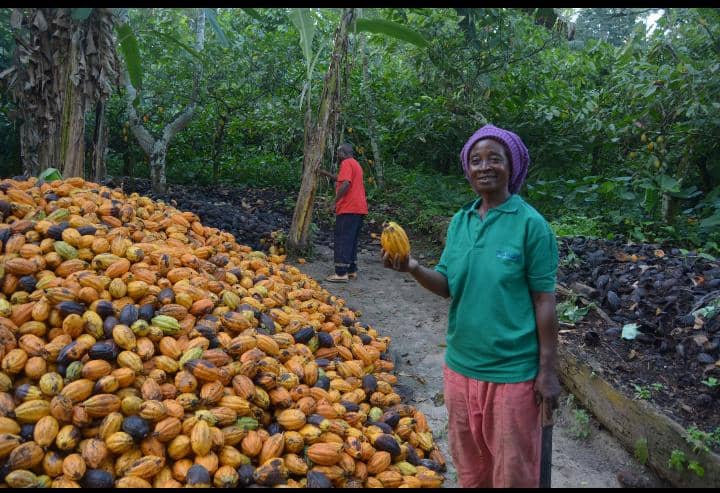
Fig 5: COCOA PRODUCTION IN MBIAME
Fruit Farming
Fruit trees are commonly grown around homes, farms and compound gardens.
The most common fruits include:
- Avocados
- Plums
- Pears
- Oranges
- Bananas
- Plantains
- Pawpaw
- Pineapple
- Lemons
- Limes
Besides providing nutritious food, fruit trees contribute to household income and environmental conservation by protecting the soil and improving biodiversity.
Agriculture Beyond Crop Farming
Agriculture in Mbiame extends far beyond the cultivation of crops. Many farming households diversify their activities by combining crop production with livestock rearing, fruit cultivation, beekeeping and agroforestry.
This integrated approach reduces dependence on a single source of income while improving food security and making farming systems more resilient to changing environmental and economic conditions.
Livestock Farming Across Mbiame
Livestock farming is an important component of agriculture throughout Mbiame Fondom. Many households rear animals alongside crop cultivation, creating a balanced farming system that supports both food production and household income.
Animals provide meat, milk and eggs for family consumption, while the sale of livestock often helps households meet important expenses such as school fees, healthcare and farm investments. In many communities, livestock also represent a valuable asset that can be sold during times of financial need.
The grasslands found in parts of Mbiame provide favourable grazing conditions for cattle, goats and sheep, while pigs, poultry and rabbits are commonly reared around family compounds. Farmers also benefit from mixed farming, where animal manure improves soil fertility and crop residues are used to feed livestock.
Common Livestock Reared in Mbiame
| Livestock | Main Uses |
|---|---|
| Cattle | Beef, dairy production, breeding and income generation |
| Goats | Meat, household income and traditional ceremonies |
| Sheep | Meat and cultural purposes |
| Pigs | Meat and commercial production |
| Chickens | Eggs, meat and household consumption |
| Ducks | Meat and eggs |
| Guinea fowls | Meat and income |
| Rabbits | Meat and small-scale commercial farming |
Livestock farming complements crop production and plays a vital role in strengthening household livelihoods across the Fondom.
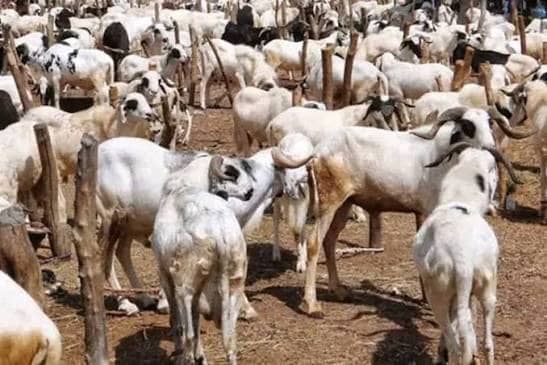
Fig 6: SHEEP REARING IN MBIAME
Other Agricultural Activities
Beyond crop cultivation and livestock rearing, several other agricultural activities contribute to the rural economy of Mbiame.
i. Beekeeping
A number of farmers practise beekeeping, producing honey and beeswax while improving crop pollination. Beekeeping requires relatively little land and offers an additional source of household income.
ii. Agroforestry
Many farmers integrate trees into their farms to improve soil fertility, reduce erosion and provide firewood, timber and shade. Fruit trees also form an important part of agroforestry systems in Mbiame.
iii. Fish Farming
Although still limited, fish farming has the potential to expand in suitable low-lying areas where reliable water sources are available.
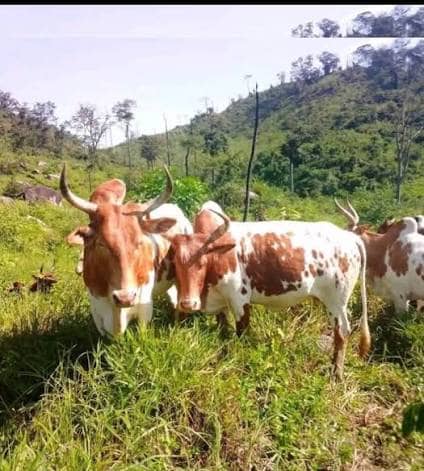
Fig 7: CATTLE REARING IN MBIAME
What Makes Every Village Important
One of the greatest strengths of Mbiame agriculture is that no single village carries the responsibility of feeding the Fondom alone. Instead, the agricultural success of Mbiame is built on the combined efforts of all 34 villages, each contributing according to its natural environment and farming traditions.
Some villages are particularly suited to Irish potatoes and vegetables because of their cooler climates, while others excel in cassava, cocoyam, yams or plantains. Areas with fertile valleys support intensive vegetable farming, and open grasslands provide favourable conditions for livestock rearing. Together, these complementary farming systems create a diverse and resilient agricultural economy.
This collective contribution has helped establish Mbiame as breadbasket of Bui Division, neighbouring Noun Division and beyond, with agricultural produce supplying households and markets far beyond the boundaries of the Fondom.
Conclusion
Agriculture remains the lifeblood of Mbiame Fondom, and the collective efforts of its 35 villages have shaped one of the most productive farming landscapes in the Western Highlands of Cameroon. While farming practices vary according to local geography and environmental conditions, every village contributes to the agricultural identity and economic strength of the Fondom.
The diversity of crops, livestock and farming systems reflects not only the richness of Mbiame's natural resources but also the knowledge and dedication of generations of farmers. Preserving this agricultural heritage is essential for ensuring food security, supporting rural livelihoods and safeguarding an important part of Mbiame's cultural identity for future generations.
References
- Wongibe Leonard (2026). The Agricultural Life of Mbiame Fondom.
- Jude T. Berinyuy. (2024). Jonny Come (Palapala): A Play on Agricultural Entrepreneurship; Yaounde
- Jude T. Berinyuy (2025). Mbiame in the Beginning, Yesteryears and Nowadays. Nyaa Publisher: Yaounde
- Mbiame Council Development Plan: Elaborated with Financial and Technical Support from the National Community Driven Development Program (PNP); Published in 2012
Author: WONGIBE LEONARD
Co-author: JUDE T. BERINYUY
EDITOR(s): AYUVEA ANGELO T.