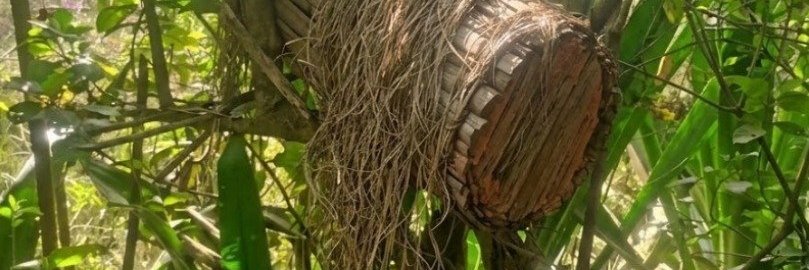

At a Glance
- Location: Mbiame Fondom, Mbven Subdivision, Bui Division, North West Region of Cameroon
- Main Activity: Traditional and modern beekeeping
- Major Products: Honey, beeswax, royal jelly, pollen and propolis
- Renowned Beekeeping Areas: Lip, Nkong, Mbokov, Ngorin, Jamoh, Mbo, Dzemkir, Koko, Bimekpu and Kovki
- Importance: Household income, food, traditional medicine and crop pollination
- Favourable Conditions: Rich biodiversity, extensive flowering plants and a cool highland climate
- Future Potential: Premium honey production and value-added bee products
Introduction
Beekeeping is one of the oldest and most important traditional agricultural activities practised in Mbiame Fondom. For generations, local communities have harvested honey and other bee products from both wild and managed bee colonies, making honey production an important source of food, traditional medicine and household income.
The favourable natural environment of Mbiame makes the Fondom particularly suitable for beekeeping. Its cool highland climate, fertile agricultural landscape, forests, eucalyptus plantations and diverse flowering plants provide bees with abundant nectar and pollen throughout much of the year. These conditions enable the production of high-quality honey that is consumed locally and marketed across the North West Region and other parts of Cameroon, including Yaoundé, Douala and Bafoussam.
Today, beekeeping continues to complement crop farming and livestock rearing, contributing to rural livelihoods while supporting biodiversity through the pollination of crops and wild plants.
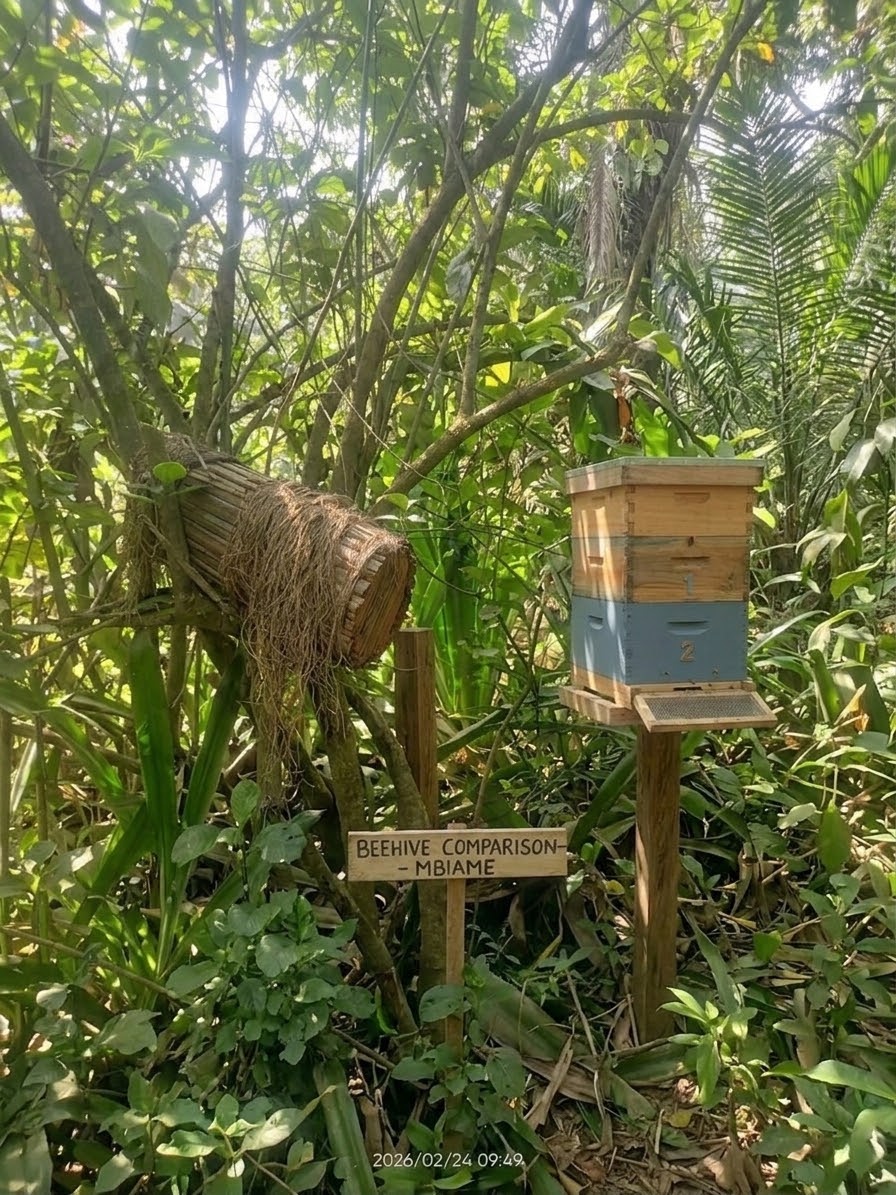
Fig 1: Traditional and Modern Beehives
🍯 Did You Know?
Bees do much more than produce honey. Through pollination, they help improve the yields of many crops grown in Mbiame, making beekeeping an important partner to agriculture.
Why Mbiame is Ideal for Beekeeping
Several natural factors combine to make Mbiame one of the favourable environments for honey production in the North West Region.
These include:
- Rich floral diversity throughout the year.
- Cool highland climate.
- Extensive forests and woodland.
- Eucalyptus plantations.
- Coffee farms, avocado trees and other flowering crops.
- Large agricultural landscapes with abundant wildflowers.
- Relatively clean natural environment.
Together, these conditions provide bees with a continuous supply of nectar and pollen, allowing colonies to remain productive for much of the year.
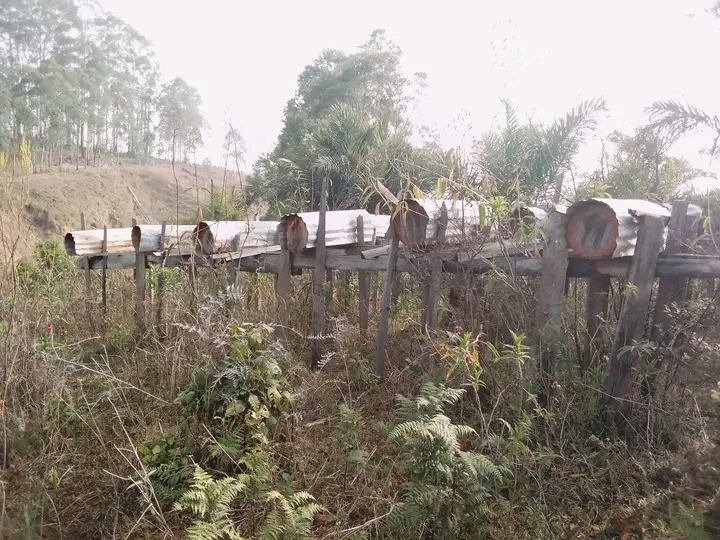
Fig 2: Traditional Bee Farm in Mbiame
Beekeeping Traditions in Mbiame
According to local farming traditions, beekeeping has been practised in Mbiame for many generations. Earlier beekeepers relied mainly on traditional log hives, bark hives and naturally occurring colonies found in hollow trees and rock cavities.
Honey harvesting required patience, experience and a good understanding of bee behaviour. Harvesters commonly worked during the night or in the cool hours of the morning, using smoke from dry grass or suitable plant materials to calm the bees before collecting mature honeycombs.
Today, while many traditional methods are still practised, an increasing number of beekeepers are adopting improved hives, protective clothing and modern honey harvesting techniques that increase production while protecting bee colonies.
Major Beekeeping Areas in Mbiame
Although beekeeping is practised in different parts of the Fondom, several villages are particularly recognised for honey production because of their favourable vegetation, forests and flowering plants.
| Village | Beekeeping Significance |
|---|---|
| Lip | Long-established beekeeping and honey production |
| Nkong | Known for traditional and modern beekeeping |
| Mbokov | Active honey-producing community |
| Ngorin | Favourable forests and flowering vegetation |
| Jamoh | Important area for honey production |
| Mbo | Long-standing beekeeping traditions |
| Kovki | Suitable environment for apiaries and honey harvesting |
These villages continue to contribute significantly to the reputation of Mbiame as a notable honey-producing area within the region.
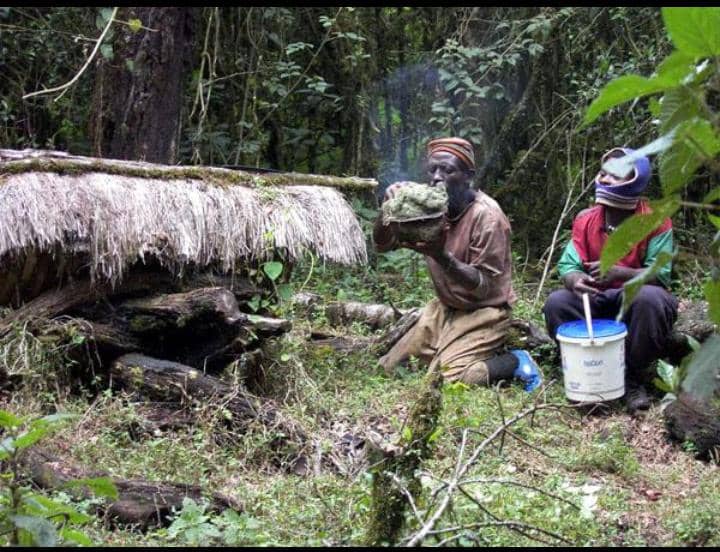
Fig 3: Mbiame Bee Farmers Harvesting Honey
Traditional and Modern Beekeeping
Beekeeping in Mbiame today combines indigenous knowledge with modern techniques.
Traditional Beekeeping
Traditional beekeepers commonly use:
- Log hives
- Bark hives
- Woven hives
- Natural colonies in hollow trees
These methods have sustained honey production for generations and remain part of the cultural heritage of Mbiame.
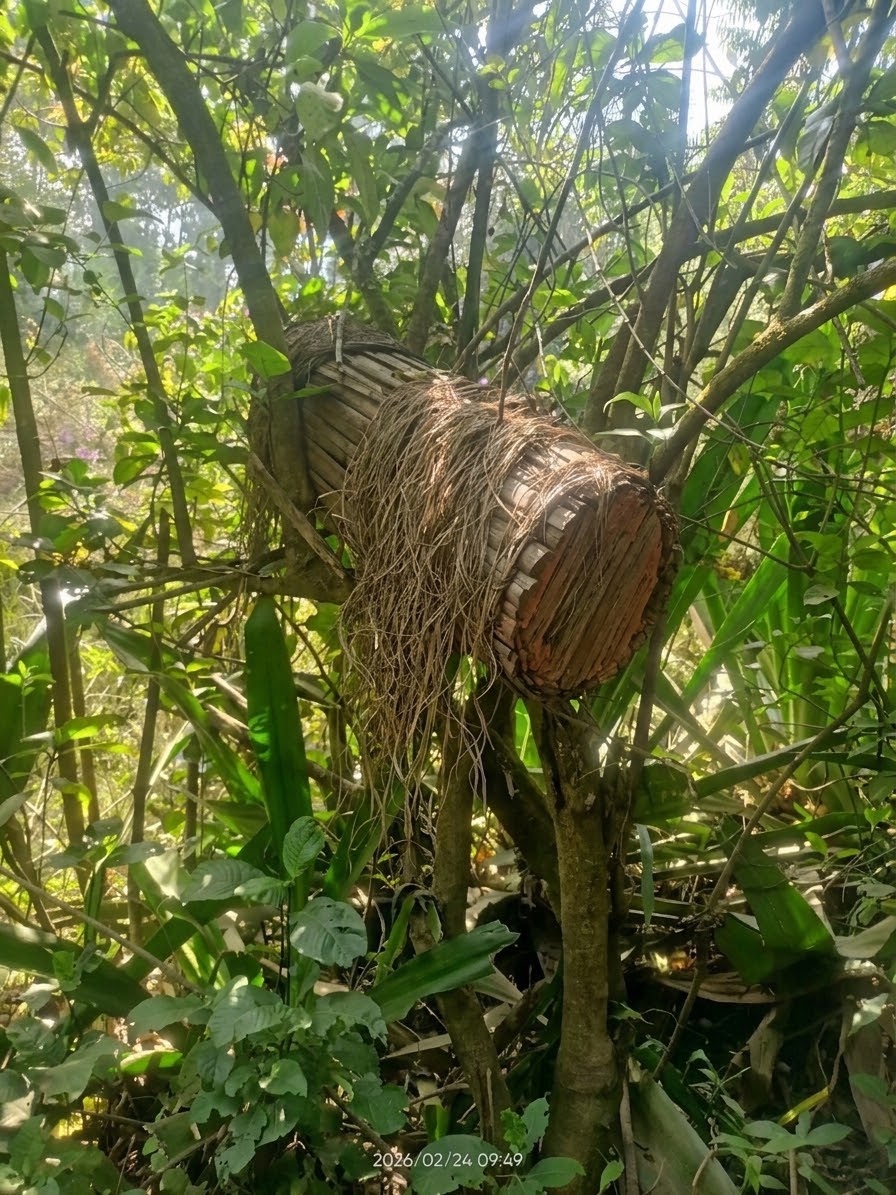
Fig 4: Woven Beehives in Mbiame
Modern Beekeeping
Many farmers are now adopting improved practices, including:
- Modern beehives
- Protective bee suits
- Smokers
- Hygienic honey extraction
- Proper storage containers
These improvements increase honey quality, improve safety and reduce unnecessary destruction of bee colonies.
Bee Products Produced in Mbiame
Although honey is the best-known product, bees produce several valuable products that have nutritional, medicinal and economic importance.
These include:
- Honey
- Beeswax
- Royal jelly
- Bee pollen
- Propolis
Each product has its own characteristics, uses and commercial value.
.jpg)
Fig 5: Mbiame Brown Honey Packaging
Related Article: The Different Types of Honey Produced in Mbiame Fondom.
Related Article: Royal Jelly: One of the Most Valuable Bee Products Produced in Mbiame.
Economic Importance of Beekeeping
Beekeeping contributes significantly to the livelihoods of many families in Mbiame.
Its importance includes:
- Household income from honey sales.
- Employment opportunities.
- Food and nutrition.
- Supply of traditional medicinal products.
- Production of beeswax and other value-added products.
- Support for small businesses involved in honey processing and marketing.
Honey produced in Mbiame is sold within the Fondom and transported to markets in Kumbo, Bamenda, Bafoussam, Foumbot, Foumban, Yaoundé, Douala and other towns across Cameroon.
As consumer demand for natural honey continues to increase, beekeeping presents an important opportunity for income generation and rural development.
The Role of Bees in Agriculture
Beyond honey production, bees play an essential role in agriculture through pollination.
By transferring pollen between flowers, bees improve the productivity of many crops grown in Mbiame, including:
- Coffee
- Avocado
- Fruit trees
- Beans
- Vegetables
- Wild flowering plants
Healthy bee populations therefore benefit both beekeepers and crop farmers, making beekeeping an important part of sustainable agriculture.
Sustainable Honey Harvesting
Protecting bee colonies is essential for ensuring long-term honey production.
Good beekeeping practices include:
- Harvesting only mature, sealed honeycombs.
- Avoiding unnecessary destruction of colonies.
- Leaving enough honey for the bees.
- Using smokers correctly to reduce stress on colonies.
- Maintaining clean harvesting equipment.
- Storing honey in clean, food-grade containers.
- Conserving forests and flowering plants that support bee populations.
Combining traditional knowledge with modern beekeeping practices helps preserve bee populations while improving honey quality and production.
Future Opportunities
Beekeeping has considerable potential for further development in Mbiame.
Future opportunities include:
- Expansion of modern apiaries.
- Production of premium mountain honey.
- Improved packaging and branding.
- Greater production of beeswax, pollen and propolis.
- Commercial production of royal jelly.
- Training for young beekeepers.
- Cooperative marketing and export opportunities.
- Eco-tourism linked to sustainable agriculture.
With continued investment in training, quality control and value addition, beekeeping can become an even more important contributor to the local economy.
Conclusion
Beekeeping is an important part of the agricultural heritage of Mbiame Fondom. Supported by a favourable natural environment and generations of local knowledge, it provides nutritious food, valuable bee products and sustainable sources of income for many households.
As traditional experience is combined with improved beekeeping practices, Mbiame is well positioned to strengthen its reputation for producing high-quality honey while protecting biodiversity and supporting sustainable rural development. Preserving and promoting this rich beekeeping tradition will benefit both present and future generations.
References
- Mbiame Council Development Plan – North West Region, Bui Division (PNDP, May 2012)
- Mbiame Council Baseline Report (2018)
- Jaibe Killian, Beekeeper in Mbiame with over 20 years of experience
- Sheey Etienne Fonyuy, Beekeeper and Proprietor of Sony Organic Honey Enterprise
Author: WONGIBE LEONARD
Co-author: JUDE T. BERINYUY
EDITOR(s): AYUVEA ANGELO T.