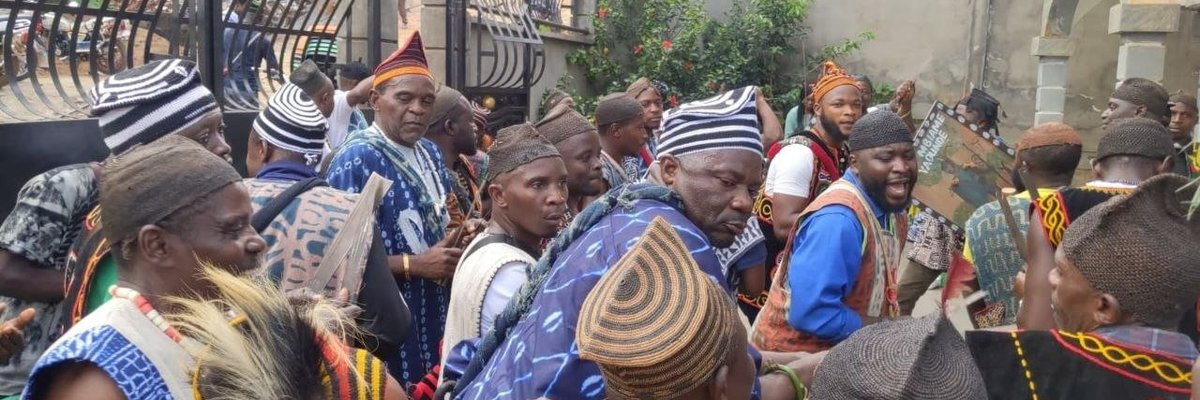
At the absolute peak of traditional authority within the Mbiame Fondom sit two powerful and mutually exclusive secret societies: Nwerong Mbiame and Ngiri Mbiame. Yet, spanning across the spaces of these two historic institutions is the formidable, male-owned military wing known as Manjong.
Unlike other traditional societies that strictly filter membership based on lineage or royal blood, Manjong Mbiame knows no social categorization or artificial distinction. It is an egalitarian institution where every man can find a place. However, its leadership structure is meticulously prescribed, reflecting the deep-seated cultural organizational systems of the Grassfields.
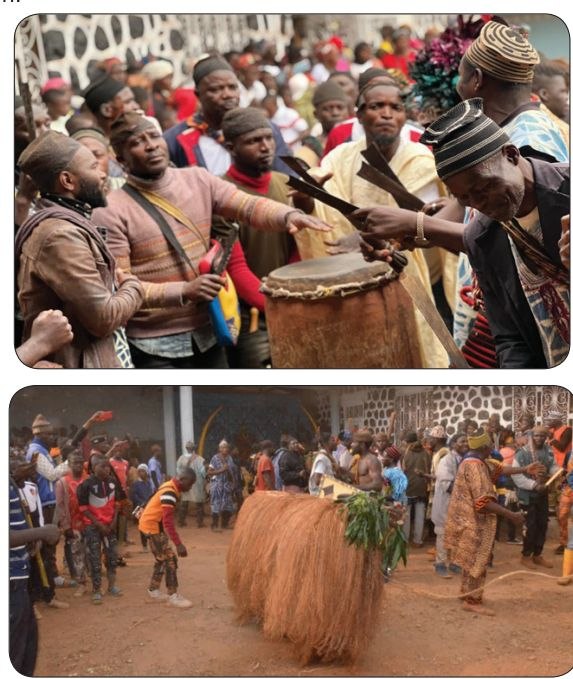
Fig1: The Spirit of Manjong Mbiame
The Origins and Grassfield Identity of Manjong
Across the North West Region of Cameroon, the concept of Manjong mirrors the defensive military infrastructure of the traditional Grassfield Fondoms. While many oral historians trace its deep roots back to Mbumland, the contemporary expression of the dance is a universally recognized symbol of security, sovereignty, and cultural pride.
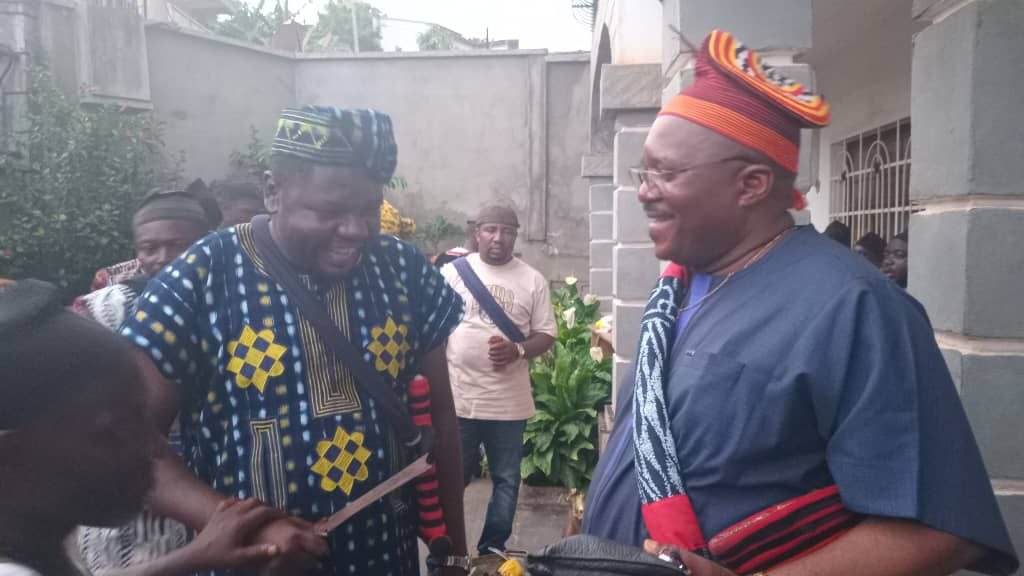
During a public Manjong performance, the atmosphere completely transforms. "Warriors" of the Fondom step forward to display ancient, ancestral weaponry, including:
Machetes and Spears (symbols of close-quarter defense)
Dangars (traditional shields and protective implements)
Locally Fabricated Guns (representing firepower and modern resilience)
This dramatic display is not merely entertainment; it is an active expression of authority and an unyielding readiness to defend the cultural heritage, tradition, and physical borders of the Fondom.
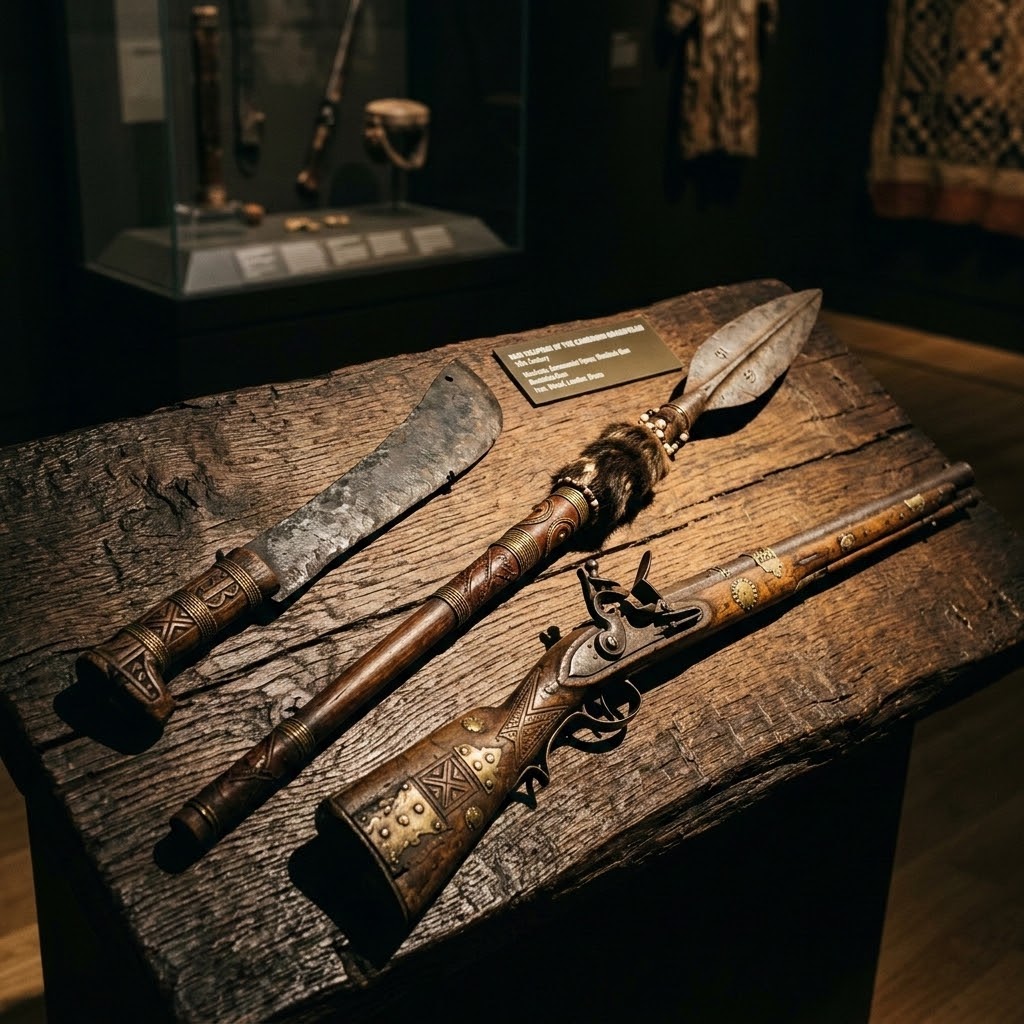
Fig 2 : The Weapons of the Grassfield Warriors
The History and Multi-Faceted Functions of Manjong Mbiame
The historical path of Manjong Mbiame is inextricably woven into the survival and migration of the Tikar people, the original ancestors of Mbiame. During their historic migration, the leading men of Manjong served as vital pathfinders, navigating unknown terrains to secure a permanent settlement for the population.
Manjong has consistently stepped up during the most critical moments in Mbiame history:
The 1726 Crisis: Manjong defended Mbiame’s identity and territorial integrity during the intense Bamoun assaults at Mbòláh—the dark day when Fon Yààh lost his life alongside many of his brave warriors.
The Return of the Hawk: When Fon Kàiláng escaped captivity from the Bamoun kingdom by mystically transforming into a hawk (Ghàwum), it was Manjong Mbiame that proudly stood at the borders to welcome him home and help him reclaim the throne from Fon Ndzeshasha in 1847.
The Migration from Kovifem: When relations with Nso fractured, Manjong led the tactical movement of the Mbiame people from Kovifem to Oku (Berinyuy, 2025).
Modern Traditional Roles
In times of peace, the responsibilities of Manjong shift from active warfare to governance, community development, and royal service:
The Roles of the Modern Warrior:
Royal Hunting: Conducting sacred hunting expeditions for the reigning Fon.
Royal Escort: Welcome the Fon during official outings or upon his return to the palace.
Mass Communication: Acting as the traditional megaphone to disseminate the Fon’s decrees to the wider populace.
Communal Development: Mobilizing labor for major community infrastructure and public works.
Mortuary Services: Executing solemn, prestigious burial rites for deceased members and visiting foreign royals.
Tax Collection: Historically, during the colonial era, the institution adapted to serve as the primary tax collection agency within Mbiame.
The Lodges and Sub-Institutions of Manjong
"Manjong" serves as an umbrella term for various male dance groups and structural lodges across the villages. Since the people resettled on their present site, several institutional subversions of Manjong have flourished, including Nchoro, Jwim, Kom, Kweebiri, Mekuv, Mekong, and Shinjom.
Among all these groups, Mfuh stands as the most senior and revered traditional dance group. According to strict Mbiame customs, while the Fon has the absolute authority to establish or create a Mfuh branch anywhere in the world, its sacred headquarters and main installation point will always remain Rifem in Mbiame.
The Two Arms of Mbiame Mfuh: Ntem and Ntse
To maintain operational balance and total coverage, Mbiame’s Mfuh structure is split into two distinct, parallel arms that have existed since the institution's inception: Mfuh Ntem and Mfuh Ntse. Each is commanded by a traditional general.
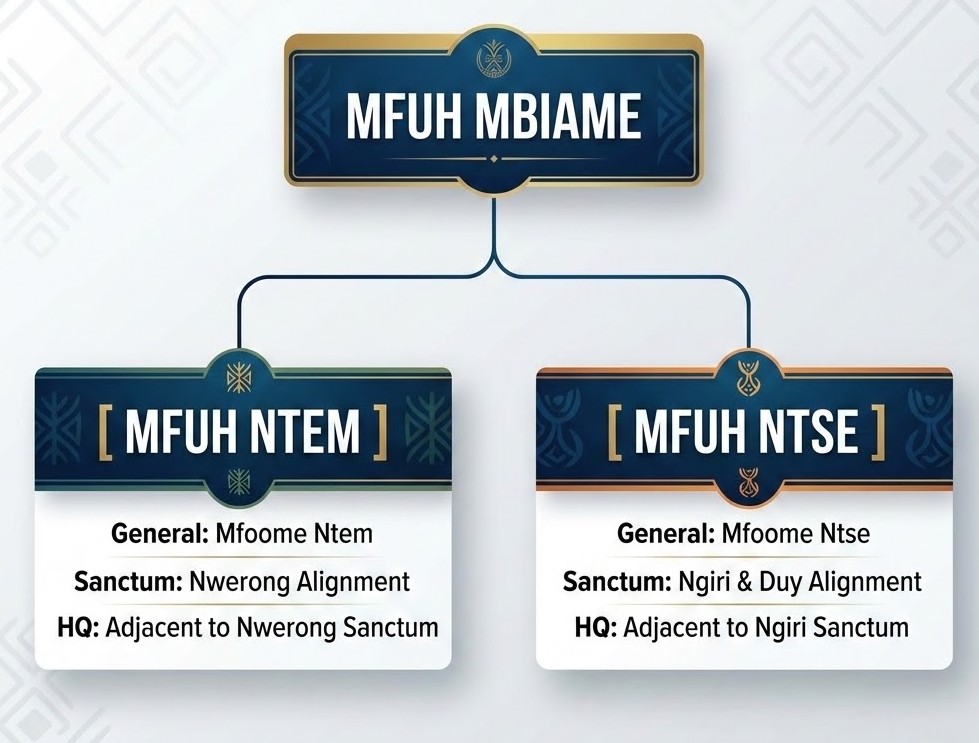
1. Mfuh Ntem (The Nwerong Alignment)
Headed by Mfoome Ntem, this arm is deeply linked to the Wonle Ntoh (children of the palace) and the Nwerong sanctum. Operating from its headquarters adjacent to the Nwerong court, Mfoome Ntem’s authority stretches extensively through a vast network of villages:
Kintsem, Taamborong, Kem, Mbohshong, Lam, Tanyar, Kovki, Tiywong, Jamoh, Ngorin, Mbokov, Old Camp, and terminating at Mbonso.
2. Mfuh Ntse (The Ngiri Alignment)
Headed by Mfoome Ntse, this arm is intimately related to the Won Ntoh and Duy lineages, aligned directly with the Ngiri sanctum. Ruling from the house next to the Ngiri court, Mfoome Ntse controls a parallel network of villages:
Bahsan, Bimenpku, Mumyu, Reh, Sang, Njanawa, Mbontsem, Mbolum, Nkong, and terminating at Lip.
Despite running parallel networks, these two arms maintain an impeccable mutual understanding. There is absolutely no conflict of interest or power tussle. Both arms are fully open to every male citizen, and each utilizes specialized internal ranks like Colonels (Lav Ntem, Lav Ntse, Ngwang Ntem, Ngwang Ntse) and Captains to command local branches.
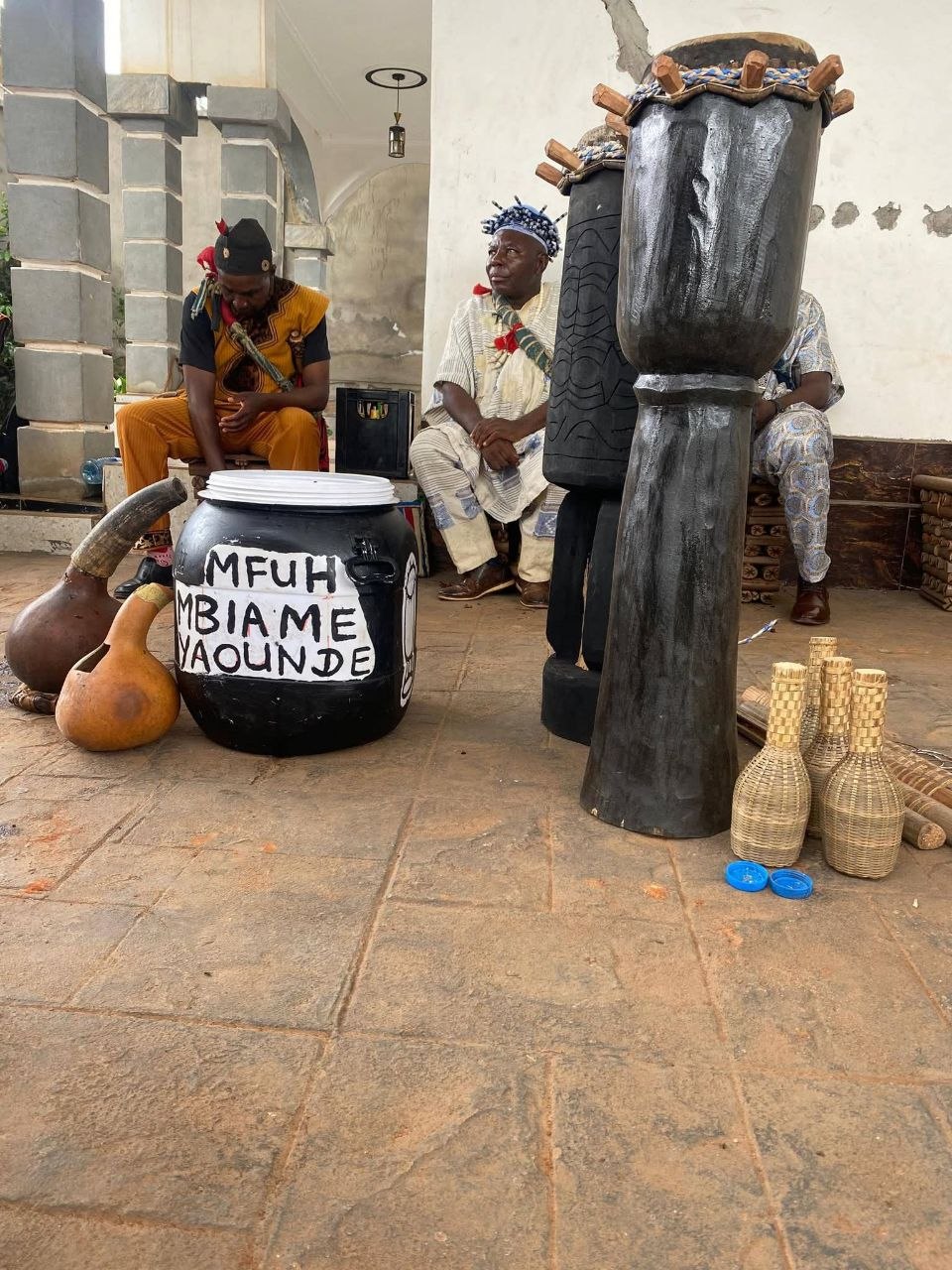
The 18 Authorized Manjong Houses (Internal & Diaspora)
This structural framework governs the official Manjong and Mfuh houses operational both within the homeland and across the Cameroonian diaspora:
Mfuh wo Nto’ Mbiame (The Palace Core)
Mfuh wo Lam
Mfuh wo Mbve
Mfuh wo Kem
Jwim Yee Ngòontem
Nchoro wo Mboshong
Nchoro wo Kovki
Kom yee Reeh
Mekong mee Tanyar
Shinjom shee Mumyu
Shinjom shee Kintsem
Mfuh wo Mbonso
Saamba wo Lip
Saamba wo Mbontsem
Saamba wo Rifem
Mfu Mbiame wo Bamenda (Diaspora)
Jwim Mbiame yee Bafoussam (Diaspora)
Mfuh Mbiame wo Yaounde (Diaspora)
Traditional Leadership Titles in Manjong Mbiame
To navigate a Manjong lodge, one must understand the traditional titles that denote hierarchy, leadership, and specialized roles:
Mfoome Kimi / Mfoome Ntse / Mfoome Ntem (Generals)
LavNtse / LavNtem (House Colonels)
TavNjong Ntem / TavNjong Ntse (Lodge Leaders)
TavMfu Ntse / TavMfu Ntem (Mfuh Chiefs)
Mfoome Fifen (Special Commander)
Ngwaang Ntse / Ngwaang Ntem (Quartermasters/Quarter-leaders)
Nyaang Ntse / Nyaang Ntem (Mothers of the House/Support Roles)
TaaFon / KooFon (Palace Liaisons)
LavSaamba / TavJwim / TavShinjom (Sub-lodge Heads)
Beyond Manjong: Big Compounds and Secret Cults
To fully map the traditional landscape of Mbiame, one must look at the "Big Compounds" (Abee dze Kome). Most of these historic family compounds hold custody over at least one nocturnal secret cult.
These esoteric societies emerge primarily under the cover of darkness, most notably during major funeral celebrations or historic transitions. The most prominent male-only night cults include:
Rhùm (also known as Nsang)
Nfoombam
Kikumkevitseh
For daytime entertainment and public celebrations, the community relies on the Kikum and Nton (Nontang) cults, which perform openly in the sunlight.
Gender-Specific Traditional Dance Groups
Mbiame's rich social fabric is further balanced by dynamic, gender-demarcated social and dance groups that foster community bonding:
Male-Dominated Social Groups | Women-Owned Traditional Groups |
|---|---|
|
|
Conclusion: A Legacy of Unity and Defense
Ultimately, Manjong stands tall as a premier military establishment across the Grassfields. Its title as a "military wing" stems not because the people were constantly engaged in bloody expansionist wars, but because its members quite literally forged the path during dangerous migrations and settlements.
When true wars knocked on the doors of Mbiame, it wasn't just a separate military class that fought; the entire community rose up as one, organized, guided, and fortified by the timeless structures of Manjong.
Sources & Academic References
Berinyuy, J. T. (2025). Mbiame in the Beginning, Yesteryears and Nowadays. Yaounde: Nyaa Publishers.
Mbiame Palace Archives. Official Historical Records and Royal Lineage Files.
Mforme Kimi (1960s). Unpublished Manuscripts and Oral Tradition Collections.
Originally compiled and published on May 11, 2026, by Jude T. Berinyuy (The University of Bertoua).
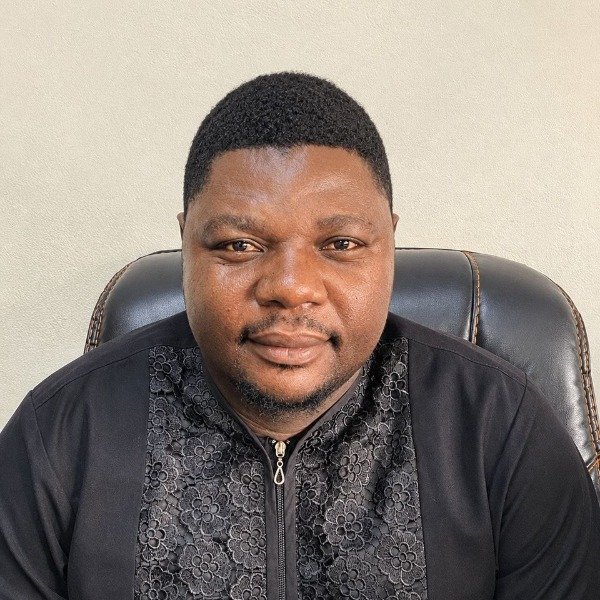
Author: JUDE T. BERINYUY
EDITOR(s): AYUVEA ANGELO T.