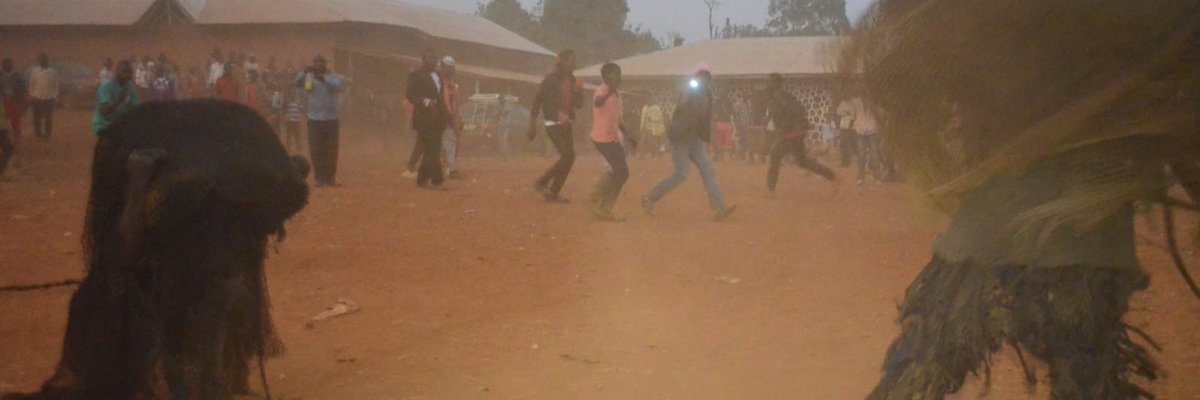
To the casual observer, the great Grassfield Fondoms of the North West Region of Cameroon might seem uniform. Because the peoples of Mbiame and Nso share deep historical connections, geographic borders, and linguistic sameness, a common misconception has persisted for decades. Due to overlapping naming patterns, accents, and shared vocabulary, many have mistakenly assumed that Mbiame culture is simply a subculture or minor extension of Nso.
However, a closer look at their traditional institutions, sacred rituals, titles, festivals, and masquerader structures tells a completely different story.
The similarities between Mbiame and Nso are the result of centuries of peaceful interaction and geographic proximity, but their core cultural frameworks are fiercely independent. These distinctions are not accidental; they reflect separate, historically grounded systems that have evolved autonomously within each society over hundreds of years.
Some Key Differences That Separate Mbiame and Nso Culture
To preserve the integrity of local history, we must examine where Mbiame and Nso draw clear, unassimilated lines across their traditional systems.
1. The Gender and Form of the Kibaranko
The Kibaranko is one of the most powerful and revered ancestral masqueraders in the region, yet its execution differs fundamentally between the two Fondoms:
In Mbiame: The Kibaranko is distinctively male-inclined and features a visible, human face.
In Nso: The Kibaranko represents a female entity and appears with its face completely and meticulously covered.
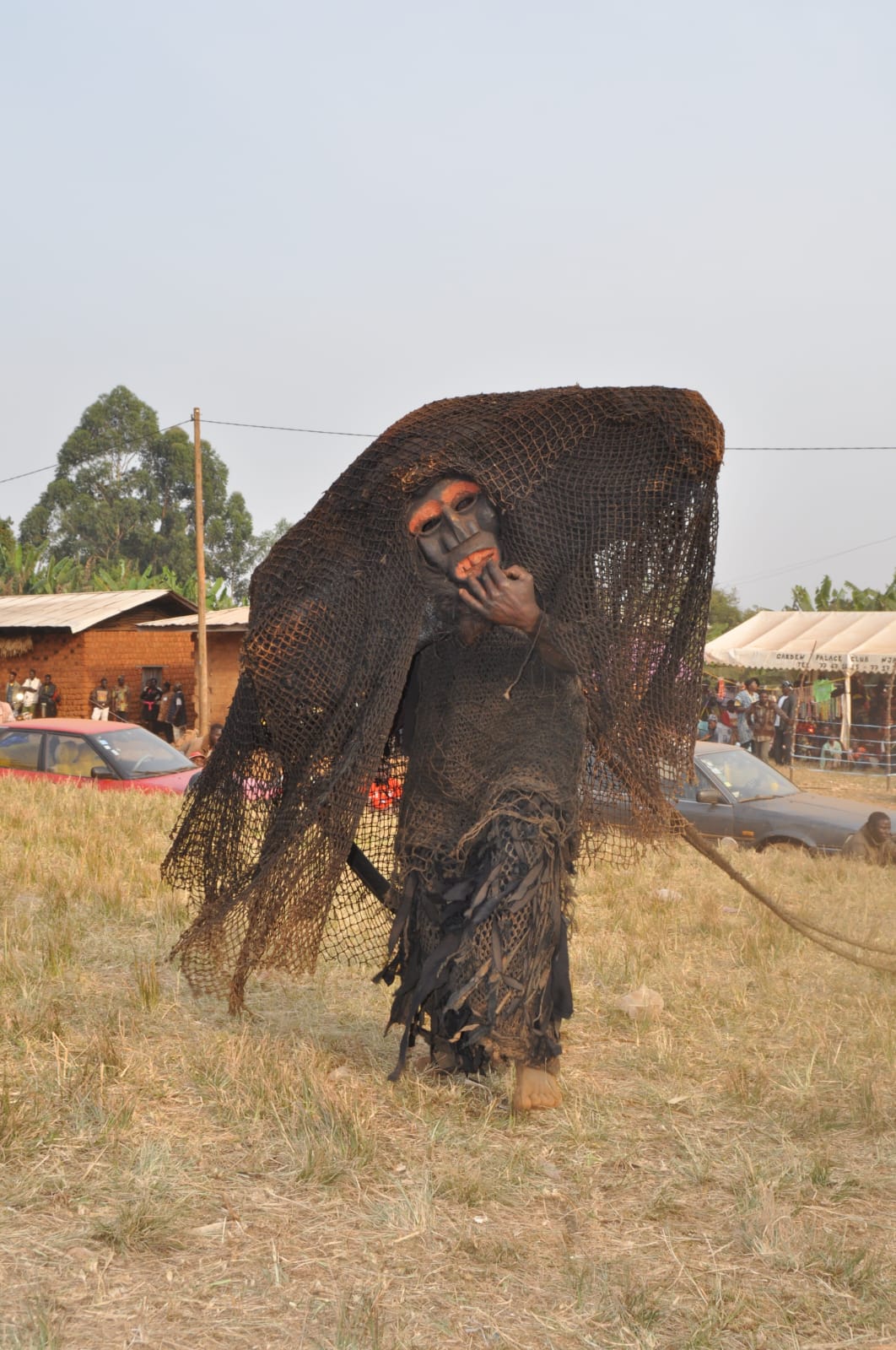
Fig 1: KIBARANKO KE MBIAME
2. The Ritual Vessels of the Lead Guide
The ritual tools carried by the individuals leading these masqueraders carry distinct spiritual meanings:
In Mbiame: The leader of the Kibaranko holds a highly ritualistic calabash known as "Kighin".
In Nso: The lead guide carries a ceremonial cup known as "Bàr".
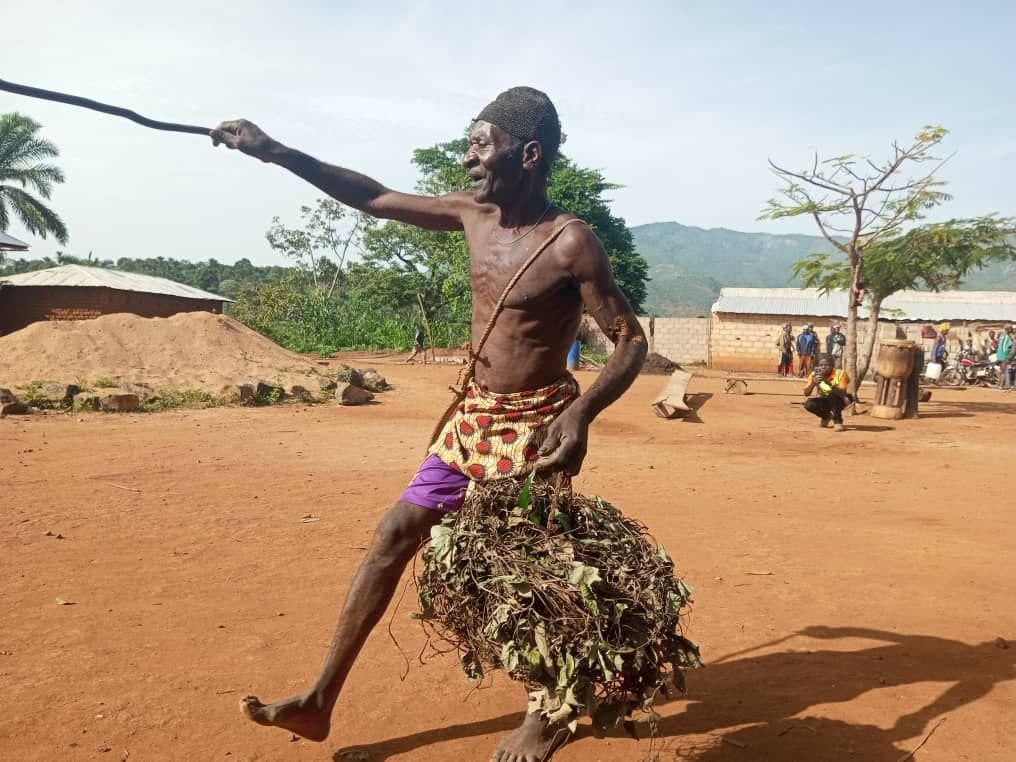
Fig 2: Taa Mfoobuh with Kighin ke Nkoh Mbiame
3. Masked Hand Concealment in the Nwerong Sanctum
Within the judicial Nwerong secret society, the presentation of the physical body of the masqueraders is governed by different ancestral laws:
In Mbiame: Except for the Kibaranko and the Shinkang (Minkang), all other Nwerong masqueraders keep their hands completely concealed from public view.
In Nso: The hands of the Nwerong masqueraders are typically fully exposed.
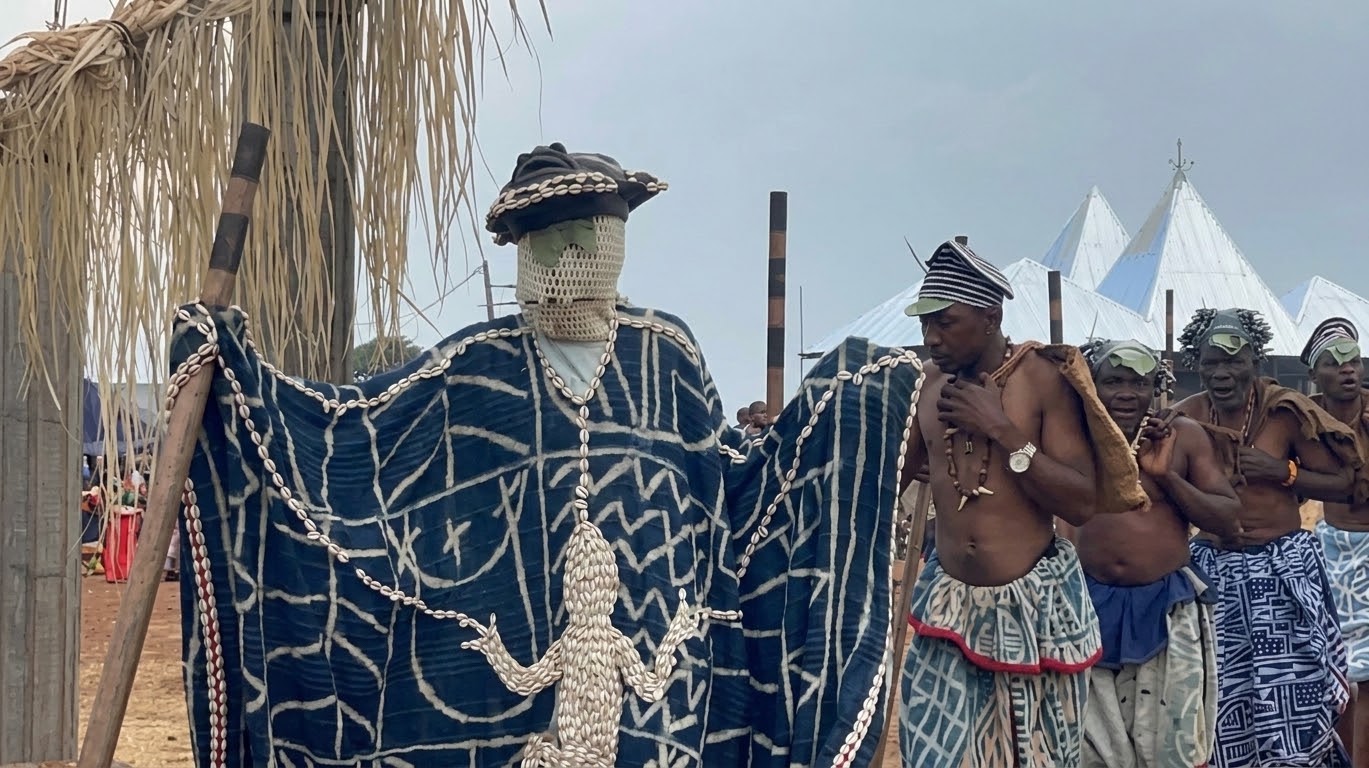
Fig 3: YEE NWERONG MBIAME
4. Exclusive Mbiame Masqueraders
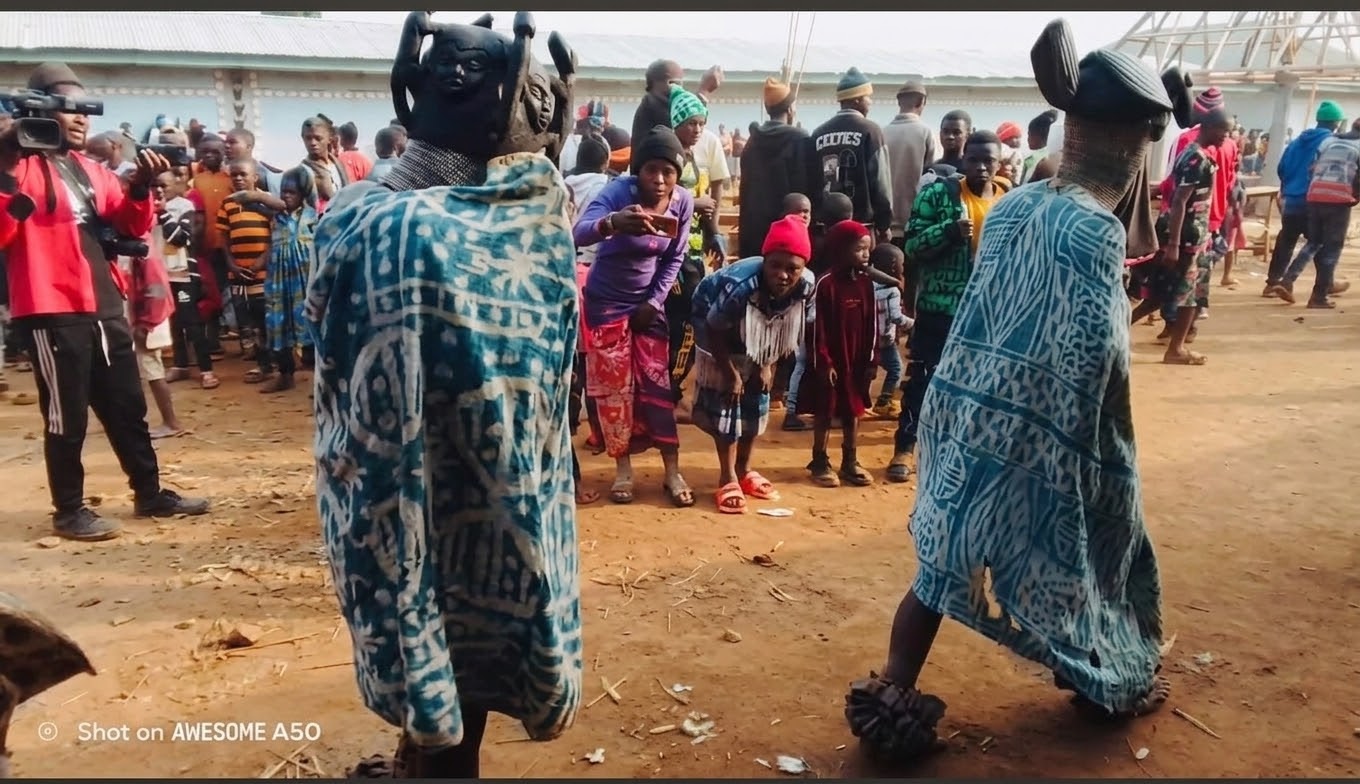
Fig 4: MBIRIWA WO MBIAME
There are sacred entities that exist only within the spiritual borders of Mbiame. Masqueraders like "Mabu aKfəə" (belonging to the royal Ngiri Sanctum) and "Mbiriwa" (belonging to the Nwerong Sanctum) are completely unique to Mbiame and have absolutely no equivalent in Nso traditional practice.
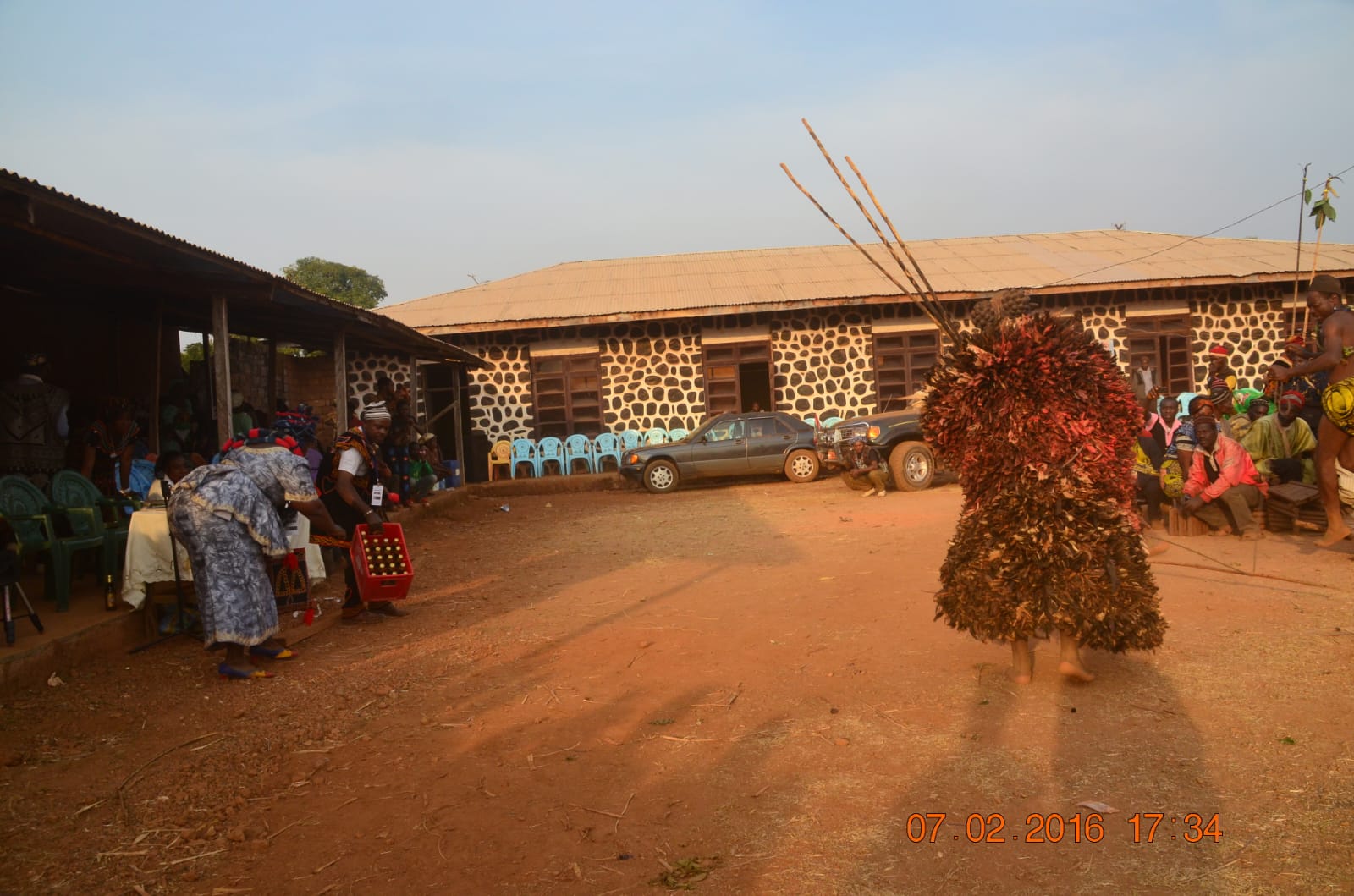
Fig 5: MABUH À KFEE WO MBIAME
5. Parallel Ranks in the Manjong Military Wing
As explored in our deep-dive into the Manjong institution, the nomenclature of military command highlights clear organizational divisions:
In Mbiame: The two strategic commanding arms of the military lodge are titled Mfuh Ntèm and Mfuh Ntse.
In Nso: The functional equivalents to these military arms are known as Mfuh Gham and Mfuh Bà.
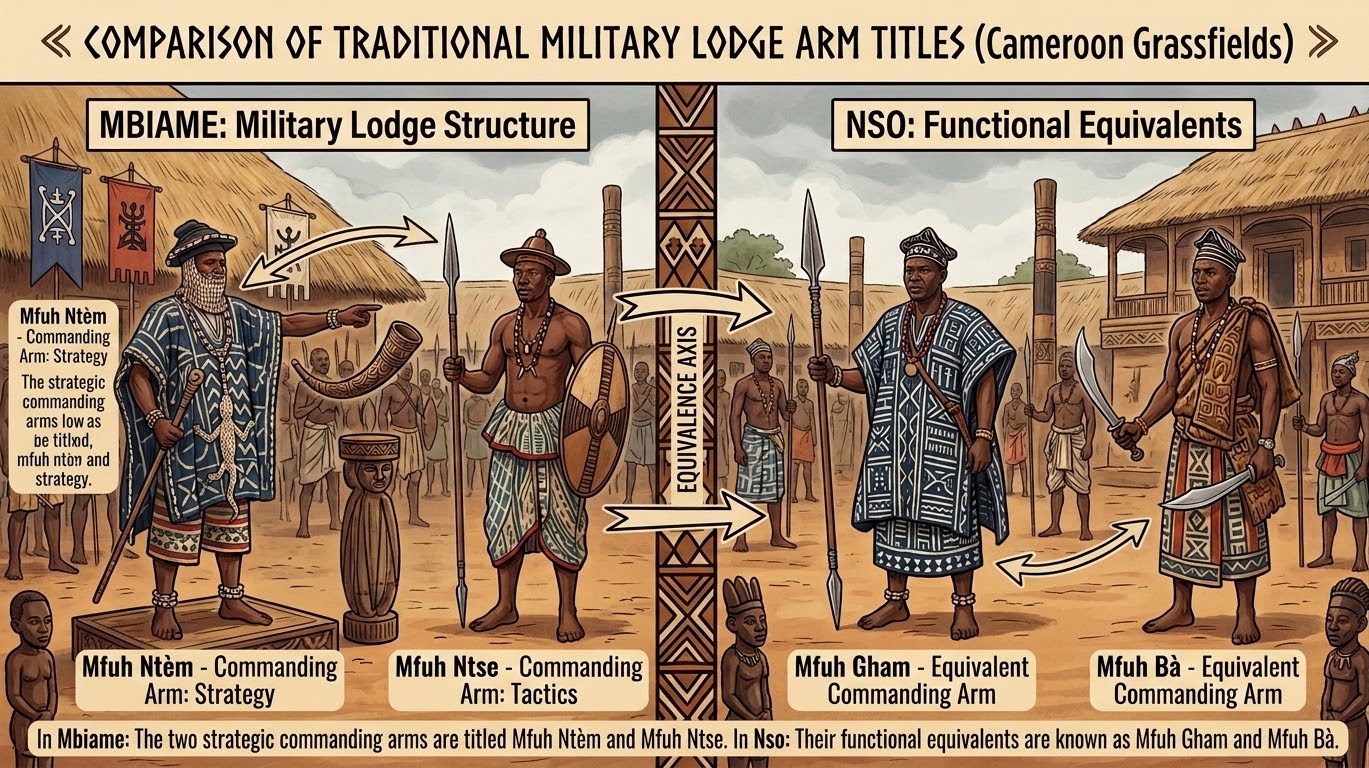
Fig 6: Manjong Mbiame Vs Mfuh Nso
6. The Grand Cultural Festivals
The premier cultural showcases that unite the populace each year celebrate entirely different historical pillars:
In Mbiame: The principal cultural festival is Kpu Ye Wiyi.
In Nso: The main celebration is the Ngon’nso Festival, which specifically commemorates Ngon’nso, the legendary founding matriarch of the Nso Fondom.
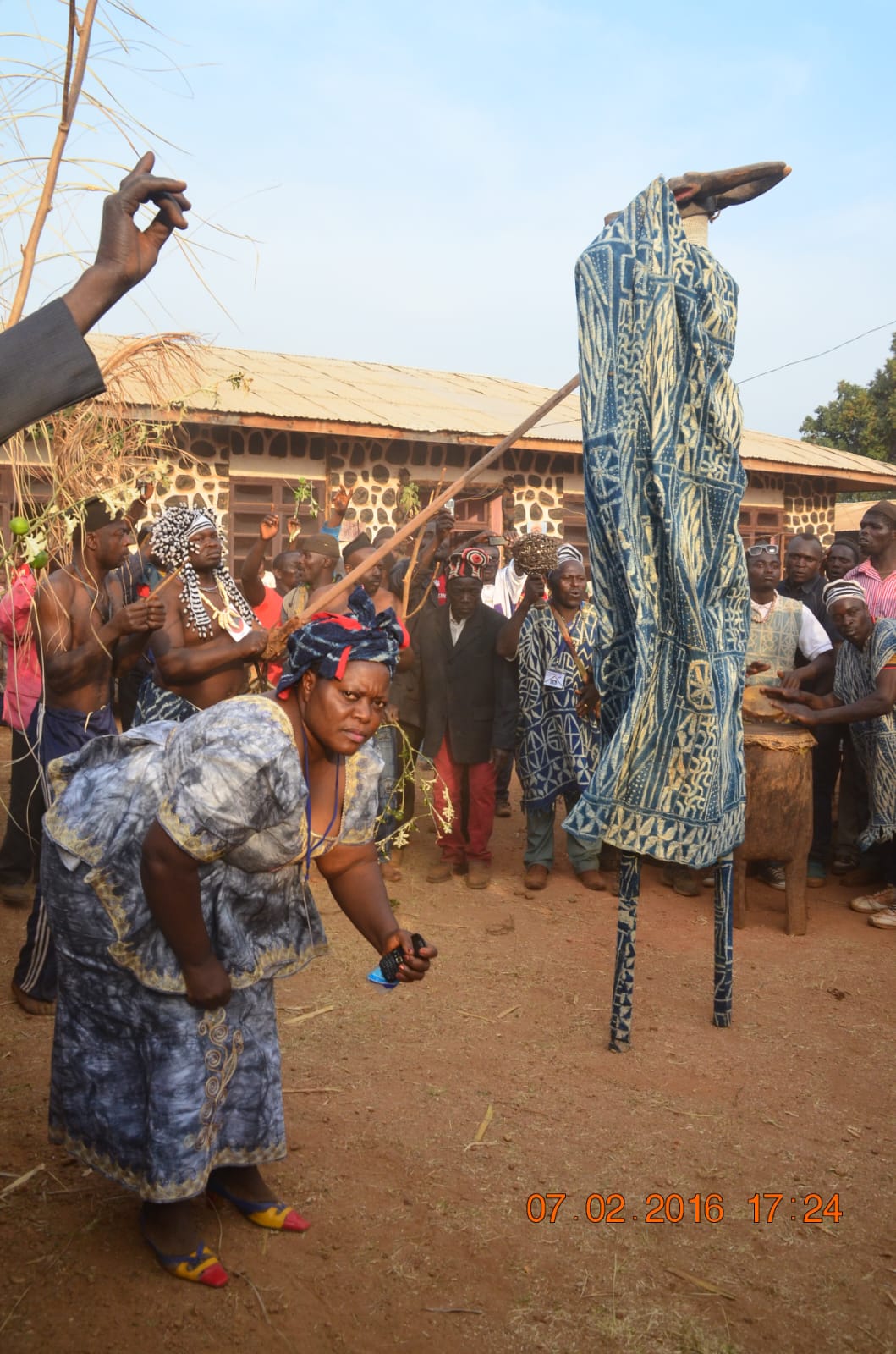
Fig 7: KINGAYASSI KE MBIAME Displaying during Kpu Ye Wiyi
7. The Timing and Spiritual Intent of Kpu Ye Wiyi
Mbiame Kpu Ye Wiyi Festival is traditionally celebrated around February. It is intentionally timed as a sacred baseline to appease the ancestors and invoke cosmic blessings, ensuring a fruitful agricultural season right before the first rains hit the soil.
Ngon'nso festival usually comes towards the end of the year (December) mostly for the projection of Nso Cultural Heritage
8. Pre-Festival Pilgrimage Rituals
The launch of Kpu Ye Wiyi is deeply tied to Mbiame unique migration path. The festival begins with days of pre-festival rituals and sacrifices conducted exclusively in Tiywong and Romelai Kinkar—two locations of paramount historical significance to the journey of the Mbiame people.
The launch of Ngon'nso festival rarely honours Nso migration path and little or no reference is made to Nso settlement areas or her historical journey from Tikar through Kovifem to the present site. In September 2012, Nso Deveopment Association (NSODA) requested through Mbiame Development and Cultural Association (MBIDECULA) that Ngon'nso Festival of December 2012 edition should be launched in Mbiame. This was outrightly rejected by the traditional institutions of the land. According to Mbiame tradition and culture, no external clan commences its cultural activities or celebration in Mbiame Land.
9. The Institutional Layout of Secret Sanctums
The structural hierarchy of retainers and leadership pages within the palace secret societies varies heavily:
In Mbiame: There are two "Atavnwerong" institutions reserved exclusively for the Nwerong society, because the concept of a page or traditional retainer does not exist within the Ngiri court.
In Nso: Both "Atavnwerong" and "Atavngiri" exist and operate parallel to each other within their framework.
10. Nchelav se Nwerong Concept
Mbiame: There are a total and fixed number of thirty five (35) Nchelav se Nwerong Mbiame with each given a unique name. They are only replaced when they pass away and are never called by their real name once they become Nchelav. When a Nchelav Nwerong Mbiame becomes old, weary and tired, a younger Nchelav is designated to be assisting him and automatically takes over when he is no more.
Nso: The number of Nchelav is not fixed as they are designated as need arises. They do not have unique names and are not replaced at death. Anyone who fulfills the conditions can become Nchelav Nwerong Nso.
11. Existence of Traditional Institutions
Mbiame: There is only one Nwerong and One Ngiri in Mbiame and every other fondom in the land is answerable to these cults. Also, only one Mfuh exists with several branches instiuted by Nwerong and the paramount Fon of Mbiame across and beyond and are all under the umbrella of Mfuh Ntem and Mfuh Ntse of Mbiame.
Nso: Apart from Nwerong, Ngiri and Mfuh Nso that are under the command of Mfuh Bah and Mfuh Gham, other fondoms in the land have theirs with thier respective clan trademark. They are answerable to the traditional authorities of their fondoms.
12. The Succession of the Sacred Yeewong and Taawong
Perhaps the most profound divergence lies in how the high spiritual titles of Yeewong (Queen Mother/High Priestess) and Taawong (High Priest) are handled when a Fon disappears:
Aspect | Mbiame Tradition | Nso Tradition |
|---|---|---|
Tenure of Office | Office holders are permanent. They are not replaced when a new Fon is enthroned. | New office holders are designated almost immediately following the enthronement of a new Fon. |
Replacement Process | Replacement occurs only after death or disappearance, preceded by extensive consultations lasting years. | Powers are swiftly transferred from the previous office holders to the newly appointed ones. |
Role of Predecessors | The office remains locked to the individual for life, preserving continuous spiritual custody. | Former office holders step aside from primary power but may still assist in ritual performances. |
Conclusion: Correcting the Anthropological Record
Presenting Mbiame culture as a simple offshoot or subculture of Nso is not just an oversight—it is a fundamental misinterpretation of historical and anthropological realities as well as erroneous misrepresentation of the identity of Mbiame as an autonomous clan.
While shared history, intermarriage, and geographic proximity will always keep Mbiame and Nso close, they remain two distinct societies. Each has preserved its own coherent, sovereign, and beautiful identity. Recognizing these divergences is essential for honoring the ancestral legacy of the Mbiame Fondom and ensuring its heritage is properly understood by generations to come.
Sources & Academic References
Berinyuy, Jude. T. (2025). Mbiame in the Beginning, Yesteryears and Nowadays. Yaounde: Nyaa Publishers.
Mbiame Palace Archives. Official Historical Records and Royal Lineage Files.
Mforme Kimi (1960s). Unpublished Manuscripts and Oral Tradition Collections.
Originally compiled and written on May 11, 2026, by Jude T. Berinyuy (The University of Bertoua).
AUTHOR(s): BERINYUY T. JUDE
EDITOR(s): AYUVEA ANGELO T.