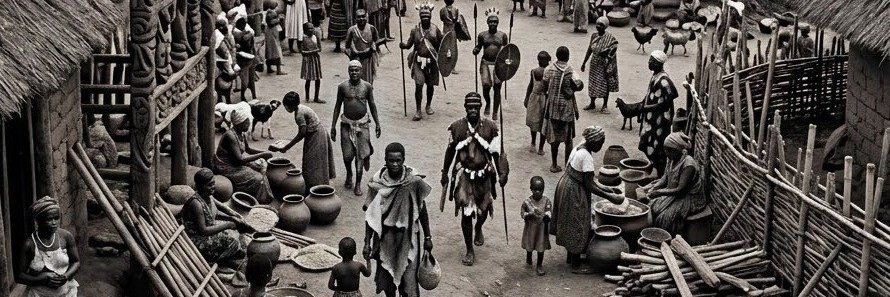

When you hear the name Mbòláh, what comes to mind? For some modern sons and daughters of Mbiame, the name evokes a sense of pristine beauty. In fact, during a profound cultural exchange in August 2025, Dr. Ayuvea Angelo, a well-known medical doctor from Mbiame, remarked: "Deeply revealing piece... Thought Mbòláh was heaven."
But behind this paradise-like perception lies a history that is deeply dramatic, tragic, and sacred.
To truly understand Mbòláh is to journey back through centuries of migration, tribal warfare, and royal sacrifice. The name is not just a geographical marker on the Mbiame map; it is an ancestral fortress whose memories form the bedrock of the Mbiame Fondom.
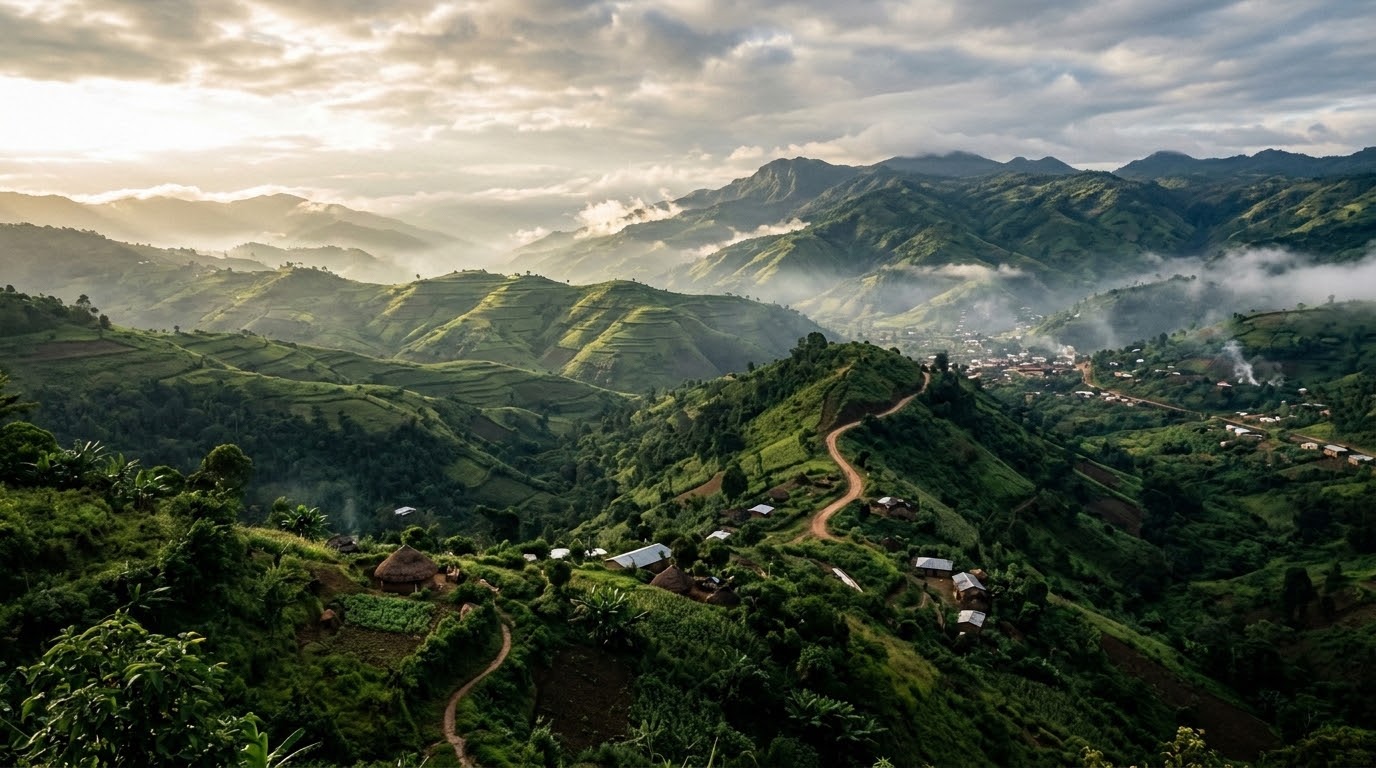
Where is Mbòláh Located?
Mbòláh is one of the thirty-five (35) prominent villages that make up the great Fondom of Mbiame, located within the Mbven Subdivision of the Bui Division, in the North West Region of Cameroon.
Geographically, Mbòláh sits precisely after the village of Koko. It occupies a vital border area, sharing boundaries with:
Mbonso (another historic village within Mbiame)
Ntùmboh (located in the Donga Mantung Division)
Mbam (situated in Nso)
While its geography positions it as a crossroads, its history positions it as a sacred sanctuary.
1726: The Dark Day and the Sacrifice of Fon Yààh
The historical connectivity of Mbòláh is rooted deeply in the migration history of the Mbiame people, as documented by oral historians like Ngalim Elias (Mformi Kimi) and historical literature (Berinyuy, 2025).
Around 1726, a severe misunderstanding erupted between the Mbiame and the Bamoun people, leading to a fierce attack by the Bamoun warriors. Seeking to protect his people, Fon Yààh of Mbiame sought refuge in the territory of Mbòláh.
Tragically, Fon Yààh and many of his loyal followers were tracked down and killed there. This macabre event permanently altered how the village was viewed. For generations, Mbòláh became associated with grotesque images of bloodshed, war, and grief. It earned a chilling reputation across the Bui Division as "the land of no return."
The Legend of Fon Kàiláng: The Hawk of Mbiame
Following the tragic death of Fon Yààh, the leaderless people of Mbiame lived in the shadow of fear for over a century, terrified of another deadly ambush. It wasn't until 1829 that a new leader, Fon Kàiláng, was finally enthroned to restore order.
However, history repeated itself when Fon Kàiláng was captured by Bamoun forces and carried away into captivity. It is here that history blends into majestic myth: according to both Mbiame oral tradition and Bamoun historical narratives, Fon Kàiláng mystically transformed himself into a hawk and flew across the borders back home to Mbiame.
Did You Know? Because of this miraculous escape, Fon Kàiláng is remembered in the Bamoun language as Ghàwum, which translates to Kìlùng in Lamnso, and Hawk in English. This historic event is proudly preserved today in the Mbiame History Soundtrack (2025).
The Pragmatic Meaning: Why Mbòláh Forms the Ultimate Lamnso Dirge
Linguistically, the name "Mbòláh" has two distinct meanings:
The Semantic Meaning: A plain surface full of houses.
The Pragmatic/Connotative Meaning: A graveyard or cemetery; a journey from which no traveler returns.
Because royal and civilian blood was spilled on this plain to safeguard the Mbiame ancestry, Mbòláh is intrinsically tied to the transition from life to death. This connection is immortalized in a hauntingly beautiful traditional Lamnso song sung exclusively during the burial of elders:
The Traditional Funeral Song
Lamnso Original:
Yãyã bè lén à?
Wù dù ni Mbolah à, wù dù ni Mbòláh àà
Tātā bè lén à?
Wù dù ni Mbolah à, wù dù ni Mbòláh àà
English Translation:
Where is grandma (our elderly woman) now?
She has gone to the land of no return (Mbòláh), she has gone to the land of no return.
Where is grandpa (our elderly man) now?
He has gone to the land of no return (Mbòláh), he has gone to the land of no return.
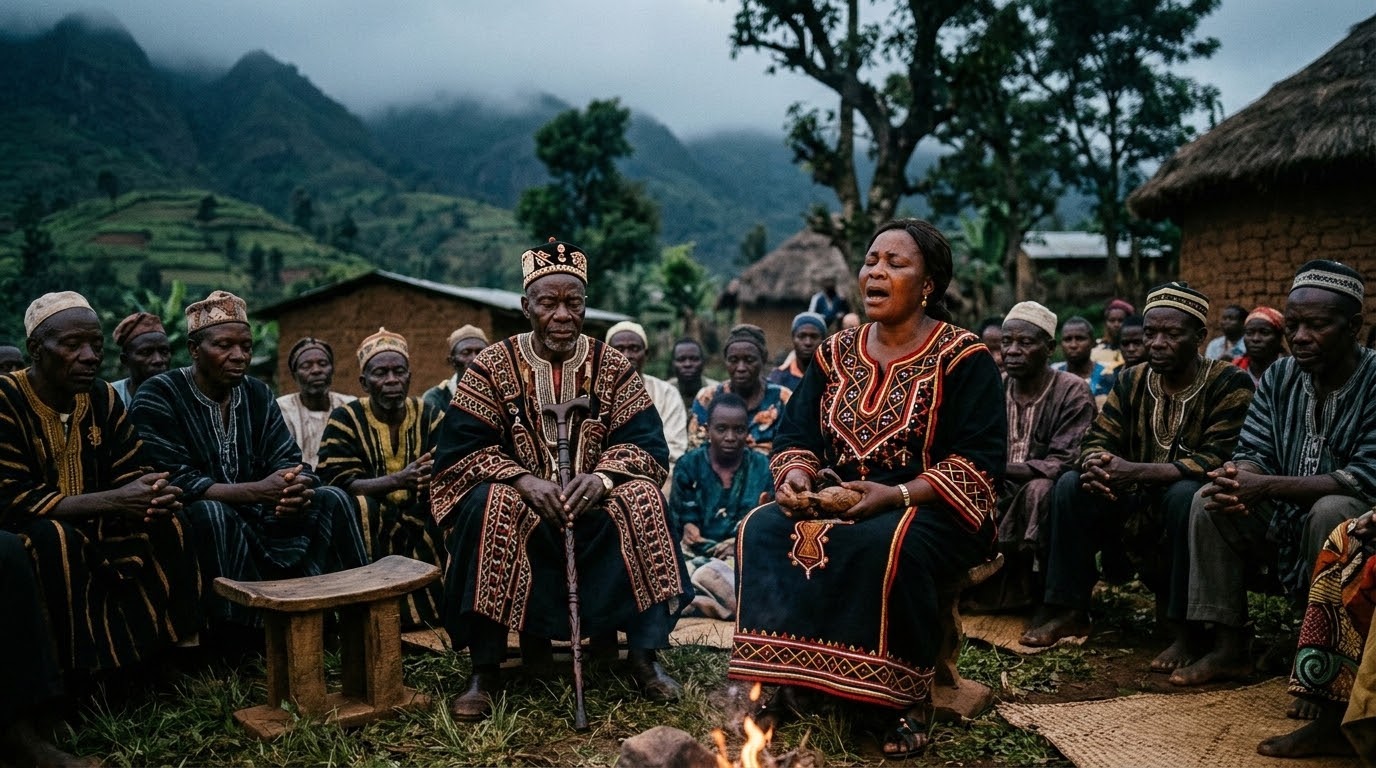
When this dirge is echoed by a lead singer and carried through the air by local undertakers, it transforms the atmosphere. It transcends words, forcing everyone present into quiet meditation about their relationship with the Creator, often moving even the most stoic listeners to tears.
Preserving the Legacy: A Call for Sacred Enshrinement
In recent years, newer names like Yainso and Mããnde have surfaced to describe parts of this area. However, none carry the weight, the soul, or the historic legacy of the name Mbòláh.
Because the bodies of Fon Yààh and his fallen compatriots were cremated on this soil, Mbòláh is an open-air cathedral of Mbiame history. It is a historical imperative for every son and daughter of the Fondom to protect this legacy. Mbòláh must be officially enshrined as a key sacred site in Mbiame—a place to admire, fortify, and eternalize our ancestors.
For a deeper dive into the origin stories of the Fondom, look for the authoritative book: "Mbiame in the Beginning, Yesteryears and Nowadays (2025)".