
At a Glance
- Institution: Kpu Ye Wiyi
- Meaning: "Great Funeral"
- Origin: Mbiame Fondom
- Traditional Origin: Associated with the founding of the Fondom in 1392
- Founder: Leh Mbijaame
- Purpose: Remembrance, spiritual renewal, thanksgiving, and cultural preservation
- Public Celebration: Mbiame Cultural Festival
Introduction
For centuries, Kpu Ye Wiyi has remained one of the most sacred and enduring traditions of the Mbiame Fondom.
Often translated as "Great Funeral," the expression can easily be misunderstood when viewed outside its cultural context. While the remembrance of departed rulers forms part of the celebration, Kpu Ye Wiyi is far more than a royal funeral ceremony. It is a profound cultural institution that unites history, spirituality, and community.
Today, many people know its public celebration as the Mbiame Cultural Festival, where traditional dances, masquerades, and palace ceremonies bring the community together. Yet behind these colourful festivities lies a much older tradition whose roots stretch back to the very foundation of the Mbiame Fondom.
This article explores the origin, meaning, and evolution of Kpu Ye Wiyi, highlighting why it remains one of the most important cultural institutions in Mbiame today.
Did You Know?
The colourful public celebrations seen during the Mbiame Cultural Festival are only the final phase of Kpu Ye Wiyi. The institution begins with sacred rites conducted privately by traditional custodians.
Understanding the Meaning of "Kpu Ye Wiyi"
One of the most common misconceptions is that Kpu Ye Wiyi refers only to the funeral commemoration of deceased Fons.
In reality, this interpretation captures only one aspect of a much broader cultural tradition.
Within Mbiame tradition, Kpu Ye Wiyi represents a time to:
- honour departed ancestors and former rulers;
- renew the spiritual covenant between the people and the land;
- offer thanksgiving for the continuity of the Fondom;
- reaffirm traditional authority; and
- celebrate the cultural identity of the Mbiame people.
For this reason, Kpu Ye Wiyi is best understood as a cultural institution rather than simply a funeral ceremony.
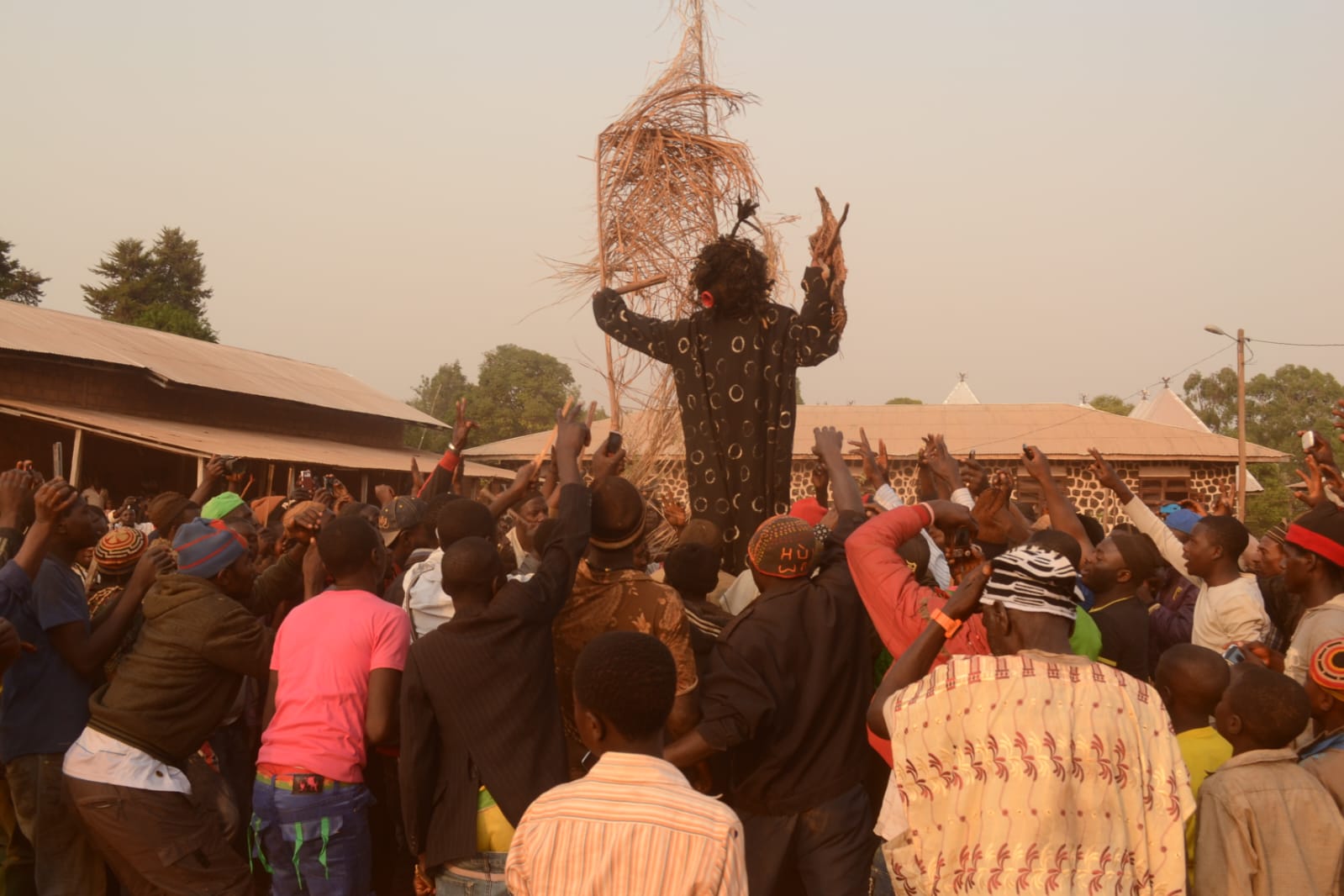
Fig 1: WAN MABUH Mbiame during kpu ye wiyi
The Sacred Beginning
Every celebration of Kpu Ye Wiyi begins with a sacred phase that remains largely hidden from public view.
During this period, the highest traditional authorities perform rituals that include sacrifices, invocations, and ceremonial observances intended to renew the spiritual relationship between the community and the ancestral guardians of the land.
Traditional custodians also make symbolic visits to important ancestral sites, including Tiywong and Kovkinkar, where communion with the ancestors and the spiritual forces of the land is traditionally observed.
Photography and public access are prohibited during these rites, reflecting their sacred character and the respect accorded to them within Mbiame tradition.
Only after these ceremonies does the celebration enter its public phase.
From Sacred Ritual to Cultural Festival
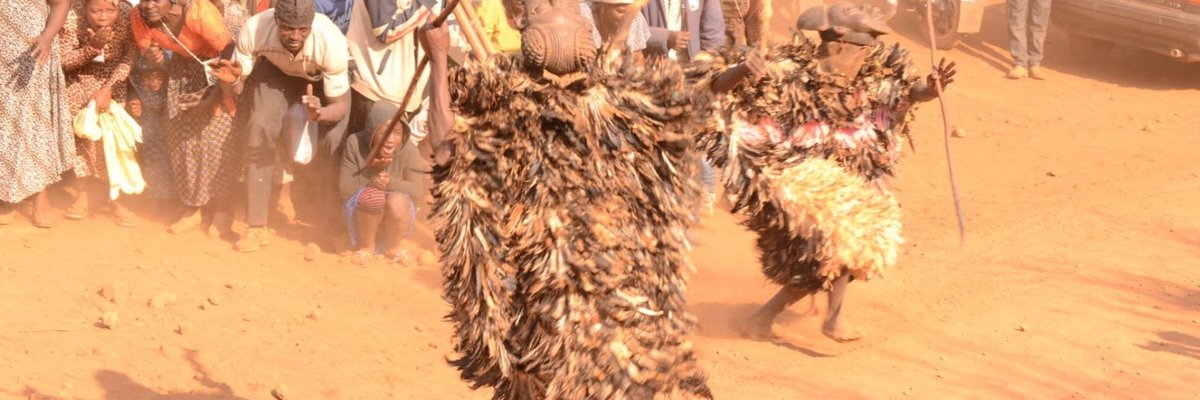
The public celebration lasts for several days and transforms Mbiame into a vibrant centre of cultural expression.
Visitors witness:
- traditional dances;
- masquerade performances;
- palace ceremonies;
- cultural displays;
- community gatherings; and
- the celebration of Mbiame's living heritage.
It is this public phase that is widely recognised today as the Mbiame Cultural Festival.
However, it is important to remember that these celebrations are only the visible expression of a much deeper spiritual institution.
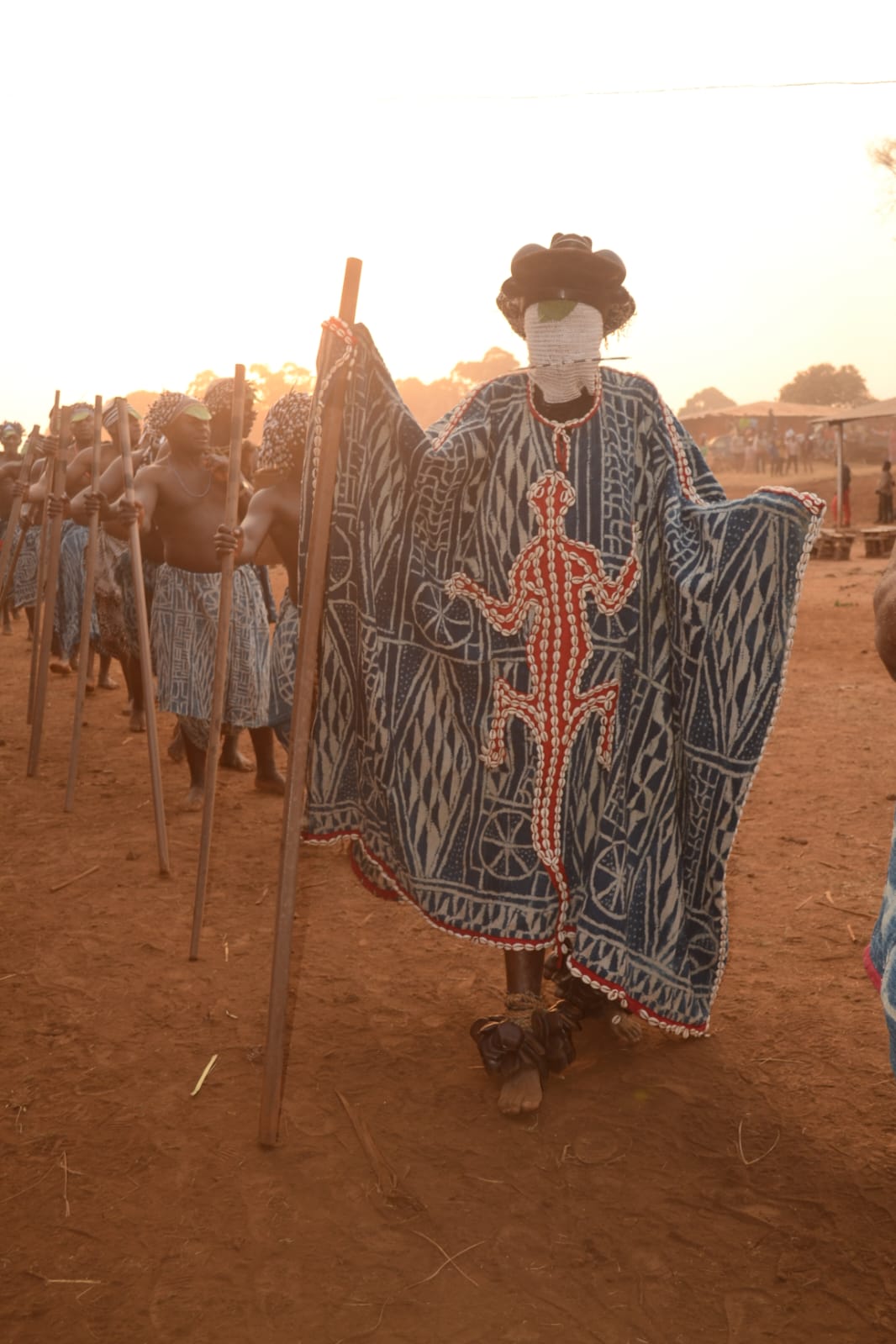
Fig 2: YEE NWERONG MBIAME
The Origin and Evolution of Kpu Ye Wiyi
According to historical traditions preserved by the Mbiame Palace and ancestral oral histories, Kpu Ye Wiyi dates back to the founding of the Mbiame Fondom in 1392, when Leh Mbijaame established the kingdom.
From its earliest days, the institution served as a means of preserving spiritual continuity while honouring the memory of ancestors and past rulers.
For centuries, participation remained limited to initiated custodians of tradition. The ceremonies were performed privately, and much of their knowledge was passed orally from one generation to another.
As society evolved, so too did the public expression of Kpu Ye Wiyi.
Without abandoning its sacred foundations, selected aspects of the institution gradually became accessible to the wider community. This transformation enabled younger generations to reconnect with their heritage while allowing visitors to appreciate the richness of Mbiame culture.
A Turning Point in Mbiame Tradition
Mbiame historical narratives also associate the development of Kpu Ye Wiyi with events surrounding the separation between Nso and Mbiame at Kovifem (Kai).
According to these traditions, this marked the second major separation between the two communities. The first is believed to have occurred around 1392, when one group continued under Ngonso while another, led by Leh Mbijaame, established the Mbiame Fondom.
A particularly significant episode is remembered during the reign of Fon Njoka (1860–1890).
According to Mbiame historical accounts, Nwerong Mbiame prepared to perform the rites associated with Kpu Ye Wiyi. Nwerong Nso reportedly opposed the exercise, maintaining that two Nwerong institutions could not operate within the same territory—an idea expressed metaphorically as "two lions cannot dwell in the same den."
Within Mbiame tradition, this event is regarded as an important moment in the affirmation of the Fondom's cultural and political autonomy.
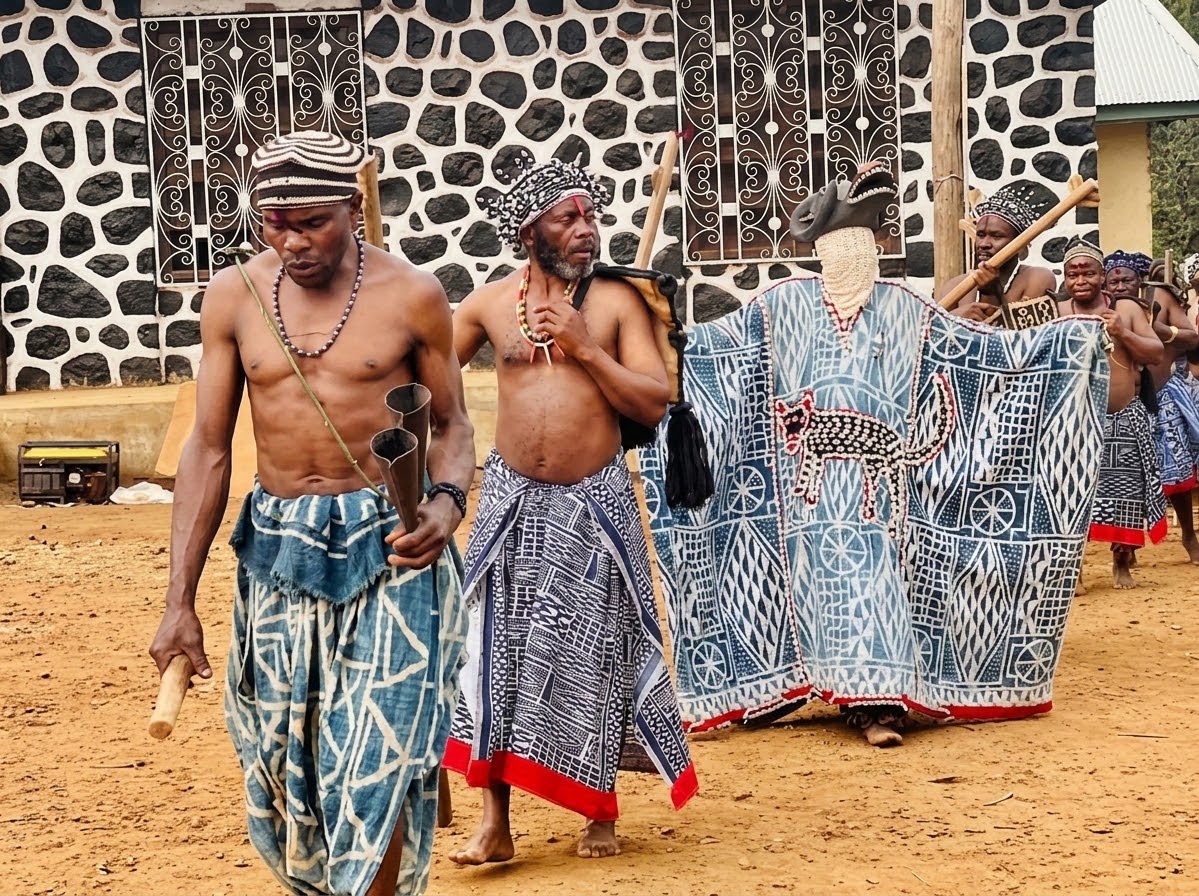
Fig 3: YEE NGIRI Mbiame
Why Kpu Ye Wiyi Still Matters Today
Kpu Ye Wiyi remains one of the strongest symbols of Mbiame identity.
Beyond its ceremonies, it continues to:
- preserve traditional knowledge;
- strengthen community unity;
- educate younger generations;
- honour ancestral heritage; and
- showcase Mbiame culture to the wider world.
Its continued celebration demonstrates that tradition and modernity can coexist while preserving the values that define a people.
Conclusion
Reducing Kpu Ye Wiyi to a funeral ceremony for past Mbiame rulers overlooks the depth and richness of the institution.
Rather, it is a living cultural tradition that combines spiritual renewal, historical remembrance, thanksgiving, and communal celebration.
The sacred preparatory rites known as Laf Kiban remain the spiritual foundation of the institution, while the public celebrations of the Mbiame Cultural Festival provide an opportunity for the community to celebrate its history, identity, and cultural heritage.
For generations, Kpu Ye Wiyi has connected the people of Mbiame with their ancestors. Today, it continues to unite the community while ensuring that this remarkable heritage is preserved for generations yet to come.
References
- Berinyuy, Jude T. (2025). Mbiame in the Beginning, Yesteryears and Nowadays. Yaoundé: Nyaa Publishers.
- Mbiame Palace Archives.
- Mformi Kimi (1960s). Manuscripts.
- Mbiame Ancestral Oral Histories.
Author: JUDE T. BERINYUY
EDITOR(s): AYUVEA ANGELO T.