At a Glance
- Location: Mbiame, Mbven Subdivision, Bui Division, North West Region, Cameroon
- Main Water Sources: Springs, gravity-fed water schemes, boreholes and streams
- Key Challenge: Uneven access to safe drinking water across communities
- Major Causes: Ageing infrastructure, seasonal water shortages, environmental degradation and limited maintenance
- Recent Progress: Government and community investments in water infrastructure
- Why It Matters: Safe water improves public health, education, agriculture and economic development
- Future Priority: Sustainable management and expansion of potable water systems
Introduction
Water is one of the most essential resources of life and development. Every household, school, health centre, farm and business depends on a reliable supply of clean and safe drinking water. For communities such as Mbiame, access to potable water is not only a public health concern but also a key driver of social and economic development.
Although Mbiame is blessed with abundant springs, streams and a favourable highland climate, providing safe drinking water to every community remains a significant challenge. Over the years, government institutions, local councils, development partners and community members have invested in gravity-fed water schemes, boreholes and public standpipes. These efforts have improved access in several villages, but many households still experience unreliable water supplies, particularly during the dry season.
This article examines the current state of potable water supply in Mbiame, the challenges affecting water infrastructure, recent interventions and the opportunities for building a more reliable and sustainable water system for future generations.
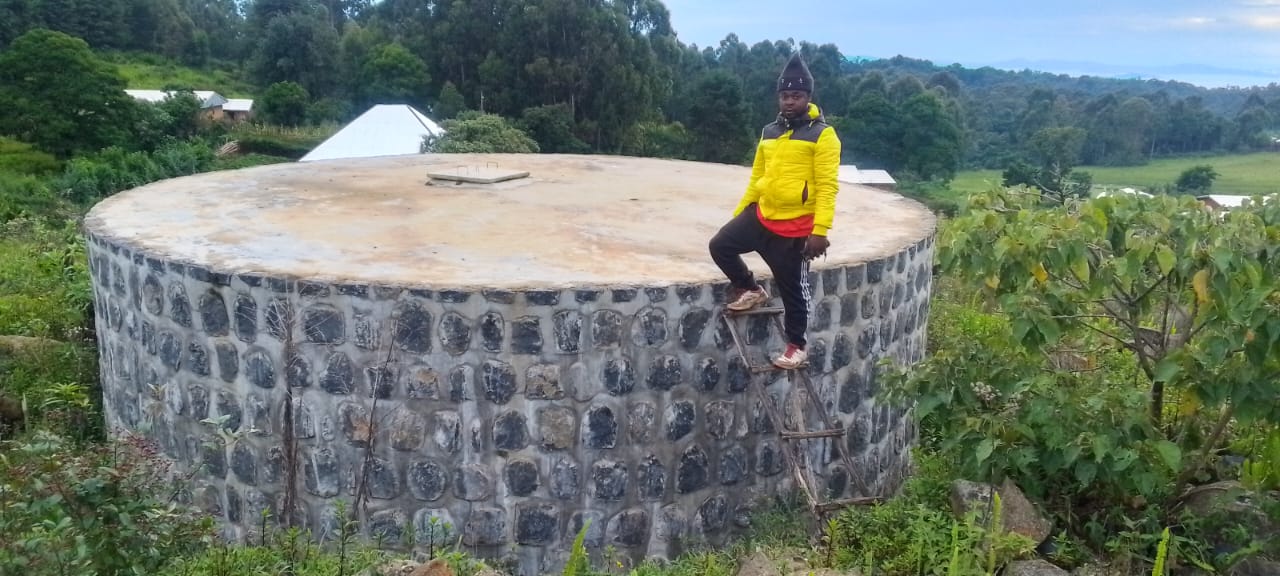
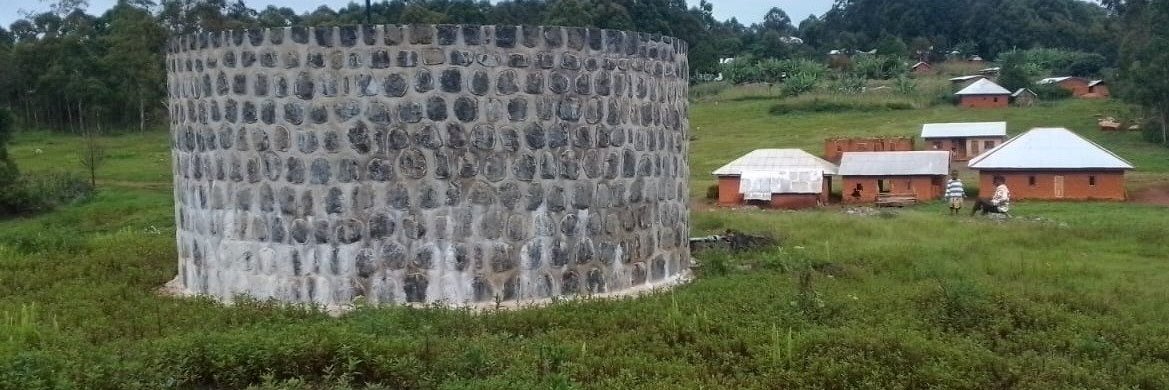
Fig 1: MBIAME WATER CATCHMENT IN SHUKOV
In Case You Did not Know
Mbiame receives abundant rainfall and has numerous natural springs, yet many communities still experience water shortages during the dry season because reliable access depends not only on water availability but also on well-maintained infrastructure and effective management.
Why Potable Water Matters
Access to safe, reliable and drinking water has far-reaching benefits for individuals and communities as it helps to:
- Reduce the spread of waterborne diseases.
- Improve sanitation and hygiene.
- Support schools and health facilities.
- Reduce the time spent fetching water.
- Improve agricultural productivity where irrigation is available.
- Promote economic growth and improve living standards.
For local communities like Mbiame, dependable water supply is also essential for achieving sustainable development.
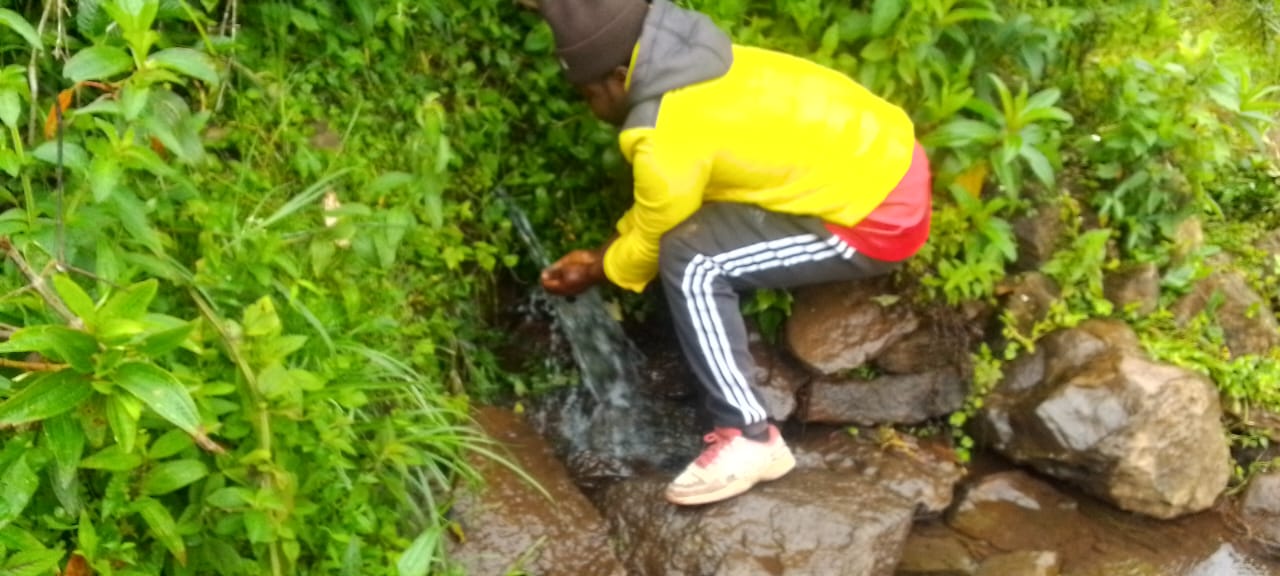
Fig 2: MBIAME WATER SOURCE IN REH
The Water Resources of Mbiame
One of Mbiame's greatest natural advantages is its abundance of water resources.
The subdivision is characterised by:
- Numerous perennial springs.
- Small streams and rivers.
- Mountain catchment areas.
- High annual rainfall.
- Steep terrain suitable for gravity-fed water systems.
These natural conditions provide a strong foundation for rural water supply if the resources are properly protected and managed.
Sources of Potable Water in Mbiame
The people of Mbiame obtain water from a variety of natural and developed sources. While some communities benefit from improved water schemes, others continue to rely on traditional sources, especially when improved systems fail or become unreliable.
The main sources of potable and domestic water include:
- Gravity-fed water schemes supplied from protected springs.
- Natural springs, many of which remain untreated.
- Public standpipes connected to community water systems.
- Boreholes equipped with hand pumps or motorized systems.
- Streams and small rivers, particularly in areas where improved water systems are unavailable or non-functional.
- Rainwater harvesting, used by some households during the rainy season.
Among these, gravity-fed water systems remain the most common form of improved rural water supply because Mbiame mountainous terrain allows water to flow naturally from higher elevations without the need for expensive pumping systems.
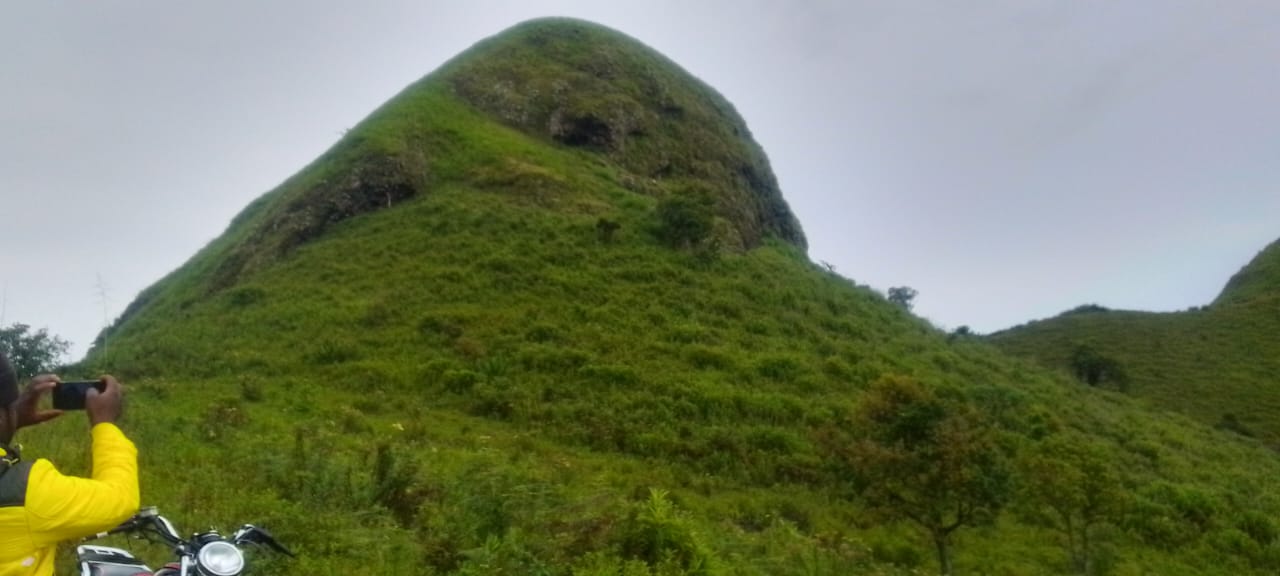
Fig 3: MOUNT KIRUMIN IN MBIAME
How Gravity-Fed Water Systems Work
Most community water schemes in Mbiame follow a similar process:
- Water is collected from a protected spring or catchment area.
- It flows through pipelines to a storage reservoir.
- From the reservoir, water is distributed by gravity to villages and public standpipes.
- Households fetch water from nearby standpipes or connect directly where possible.
When properly designed and maintained, these systems provide a reliable and cost-effective source of safe drinking water.
Progress Made in Expanding Water Supply
Despite ongoing challenges, important progress has been made in improving water access across parts of Mbiame:
- Construction of new gravity-fed water schemes.
- Rehabilitation of ageing pipelines.
- Expansion of storage reservoirs.
- Installation of additional public standpipes.
- Extension of water supply to public institutions such as health centres.
- Rehabilitation of selected community water systems.
Among the projects reported between 2022 and 2026 are:
- Kovjoh Water Supply Scheme
- Mboshong Water System Rehabilitation
- Tanyar Village Water Project
- Reinforcement of the Maande Gravity-Fed Water System
- Extension of water supply to Lip Integrated Health Centre
- Expansion of storage tanks and distribution pipelines
These projects demonstrate continued efforts by government institutions, local authorities and development partners to improve rural water access.
However, expanding infrastructure is only one part of the solution. Ensuring that these systems remain functional over time is equally important.
.jpg)
Fig 4: MBIAME WATER CATCHMENT IN MANTUM (SAR NTOH)
Current Challenges Facing Potable Water Supply
Although Mbiame is naturally rich in water resources, several challenges continue to affect the reliability and sustainability of potable water supply.
1. Ageing Water Infrastructure
Many community water schemes were constructed years ago to serve much smaller populations.
As communities have grown, ageing pipelines, reservoirs and standpipes have become increasingly difficult to maintain. In some areas, leaks and damaged infrastructure reduce water pressure and interrupt supply.
Regular rehabilitation and system upgrades are therefore essential.
2. Limited Maintenance
Building a water scheme is only the beginning.
Many systems require routine maintenance, replacement of worn components and periodic technical inspections.
Where maintenance is delayed, minor faults often develop into major breakdowns, leaving communities without reliable water for extended periods.
Strengthening the capacity of local water management committees remains an important priority.
3. Seasonal Water Shortages
Although Mbiame experiences abundant rainfall during much of the year, many springs produce less water during the dry season.
Lower water levels affect:
- Community standpipes.
- Household connections.
- Schools.
- Health Centres.
- Livestock watering points.
As demand increases, available water may become insufficient to meet community needs.
Protecting water catchments and improving storage capacity can help reduce seasonal shortages.
4. Population Growth
Mbiame population continues to grow.
As more households are established and villages expand, demand for potable water increases accordingly.
Without corresponding expansion of water infrastructure, existing systems become overstretched.
Planning for future population growth is therefore essential when designing new water projects.
5. Environmental Pressures
Healthy water systems depend on healthy catchment areas.
Activities such as:
- Deforestation.
- Bush fires.
- Farming close to water sources.
- Soil erosion.
- Poor land management.
can reduce water quality and affect the long-term sustainability of springs.
Protecting forests and water catchments benefits both current and future generations.
6. Public Health Concerns
Where safe drinking water is unavailable, some households depend on untreated springs and streams.
This increases the risk of waterborne diseases, particularly where sanitation facilities are inadequate.
Improved access to potable water contributes significantly to:
- Better household hygiene.
- Reduced disease transmission.
- Healthier children.
- Improved school attendance.
- Higher community productivity.
Water supply should therefore be viewed not only as an infrastructure issue but also as a public health priority.
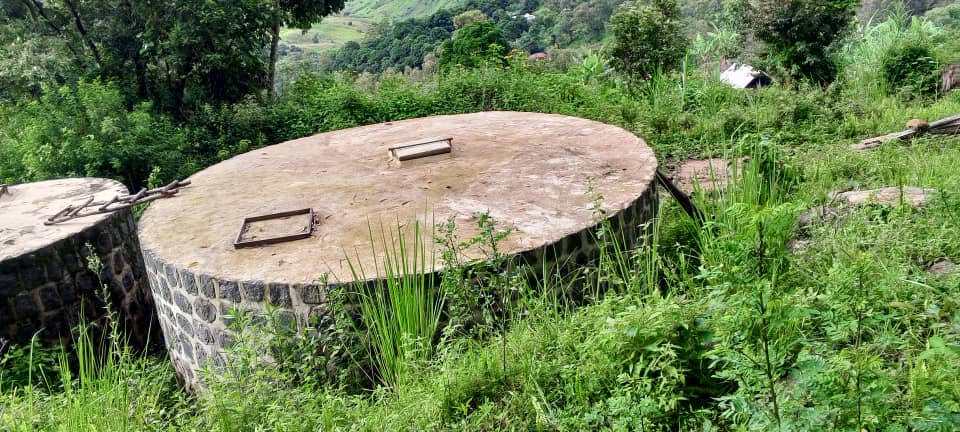
Fig 5: MBIAME WATER CATCHMENT IN MBOSHONG
Snapshot of the Situation
While conditions vary from one community to another, the overall picture highlights both progress and continuing challenges.
| Aspect | Current Situation |
|---|---|
| Main water source | Gravity-fed water systems and springs |
| Infrastructure | Expanding but ageing in many communities |
| Dry season supply | Reduced in several areas |
| Community management | Active but often constrained by limited resources |
| Recent investments | Several rehabilitation and expansion projects completed or underway |
| Future priority | Sustainable maintenance, catchment protection and improved governance |
Water Governance and Community Management
Providing safe drinking water is not solely the responsibility of government. Sustainable water supply depends on effective collaboration between government institutions, local councils, traditional authorities, community water management committees and the people who use the water systems.
In Mbiame, many gravity-fed water schemes are community-managed. Residents often contribute labour, local materials or financial resources during construction and maintenance. This spirit of community participation has helped many water projects remain operational for years.
However, as infrastructure ages and demand for water increases, stronger institutional support and better coordination are becoming increasingly important.
The Role of Key Stakeholders
Government
Government institutions play a central role by:
- Financing major water infrastructure projects.
- Providing technical expertise.
- Supporting rural water programmes.
- Monitoring project implementation.
- Developing policies and standards for safe water supply.
Mbiame Council
As the local council, Mbiame Council contributes by:
- Identifying community water needs.
- Coordinating development projects.
- Supporting rehabilitation of existing schemes.
- Working with development partners.
- Promoting sustainable community management.
Traditional Authorities
Traditional authorities remain important custodians of community resources.
Their contributions include:
- Supporting the protection of water catchment areas.
- Mobilising communities for communal work.
- Helping resolve disputes related to water use.
- Encouraging responsible environmental management.
Their leadership complements the work of administrative institutions and strengthens community ownership of water projects.
Community Water Management Committees
Many villages have committees responsible for the day-to-day management of water systems.
Their responsibilities typically include:
- Routine inspection of water infrastructure.
- Organising repairs.
- Collecting maintenance contributions where applicable.
- Monitoring water use.
- Reporting technical faults.
Strengthening these committees through training and technical support will improve the long-term sustainability of rural water systems.
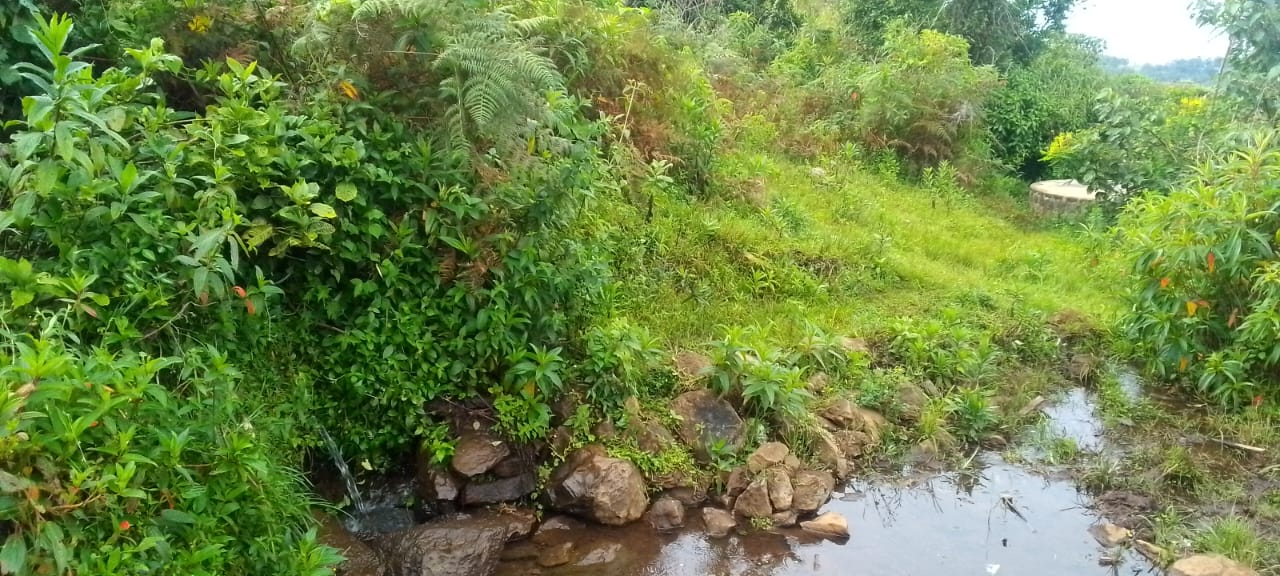
Fig 6: MBIAME WATER SOURCE IN REH
The Importance of Protecting Water Catchments
The quality and quantity of water available to communities depend greatly on the condition of surrounding catchment areas.
Healthy catchments:
- Maintain steady spring discharge.
- Improve natural water filtration.
- Reduce soil erosion.
- Protect biodiversity.
- Sustain water supplies during dry periods.
To safeguard these vital resources, communities can:
- Preserve vegetation around springs.
- Avoid farming too close to water sources.
- Prevent bush fires.
- Reduce indiscriminate tree cutting.
- Promote tree planting and watershed restoration.
Protecting catchment areas is one of the most cost-effective ways to secure future water supplies.
The Road Ahead
Although important progress has been made, more remains to be done to achieve reliable access to potable water across Mbiame Fondom.
Key priorities include:
- Rehabilitating ageing gravity-fed water systems.
- Expanding water supply to underserved communities.
- Protecting natural springs and catchment areas.
- Improving routine maintenance and technical support.
- Strengthening community water management committees.
- Encouraging greater collaboration between government, the Council, traditional authorities and development partners.
- Developing reliable village-level data to support evidence-based planning.
These measures will improve the resilience and sustainability of rural water infrastructure while helping communities adapt to changing environmental conditions.
Looking to the Future
Water is more than a basic necessity—it is the foundation of healthy communities, productive agriculture, quality education and sustainable economic development.
As Mbiame continues to grow, demand for safe and reliable drinking water will also increase. Meeting this demand will require long-term planning, responsible environmental stewardship and continued investment in infrastructure and local capacity.
By protecting its abundant natural water resources and strengthening community management, Mbiame has the opportunity to build a water supply system that serves both present and future generations.
Conclusion
Mbiame is naturally endowed with abundant springs, streams and favourable climatic conditions that provide a strong foundation for rural water supply. Nevertheless, ensuring that every household has reliable access to safe drinking water remains an ongoing challenge.
Ageing infrastructure, population growth, seasonal fluctuations in water availability, environmental pressures and maintenance constraints continue to affect the performance of many community water systems. At the same time, recent government and community investments demonstrate a clear commitment to improving water access across the subdivision.
The way forward lies not only in constructing new infrastructure but also in maintaining existing systems, protecting water catchments and strengthening cooperation among government institutions, the Council, traditional authorities and local communities.
Access to potable water is essential for public health, education, agriculture and economic development. Continued investment in sustainable water management will therefore play a vital role in improving the quality of life and supporting the long-term development of Mbiame Mbven Subdivision.
References
- Ministry of Public Contracts (MINMAP). (2026). Public Investment Programme for the North West Region. Government of Cameroon.
- National Community Driven Development Programme (PNDP). (2012). Mbiame Council Baseline Report. Cameroon.
- United Nations. (2015). Transforming Our World: The 2030 Agenda for Sustainable Development.
- World Bank. (2022). Cameroon Country Climate and Development Report.
- World Health Organization & UNICEF. (2023). Progress on Household Drinking Water, Sanitation and Hygiene 2000–2022.
Author: PAUL FAI B.
EDITOR(s): AYUVEA ANGELO T./ JUDE T. BERINYUY