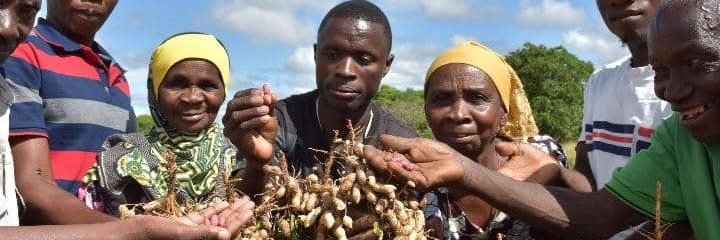

At a Glance
- Location: Mbiame Fondom, Mbven Subdivision, Bui Division, North West Region of Cameroon
- Known As: Breadbasket of Bui and Neigbouring Divisions
- Main Economic Activity: Agriculture
- Major Crops: Maize, Beans, Irish potatoes, Cassava, Cocoyam, Yams, Rice, Vegetables, Coffee, Cocoa, Fruits
- Livestock: Cattle, Goats, Sheep, Pigs, Poultry and Rabbits
- Key Soil Types: Volcanic, Ferrallitic, Clay loam, Alluvial, Lateritic and Colluvial soils
- Farming System: Predominantly rain-fed, with subsistence and commercial agriculture
- Importance: Agriculture provides food, employment, income and supports trade across several regions of Cameroon.
Introduction
Agriculture has always been at the heart of life in Mbiame Fondom. For generations, farming has provided food for families, sustained local livelihoods, shaped cultural traditions, and driven economic activity. From fertile valleys to rolling hills and highland grasslands, the people of Mbiame have cultivated the land with remarkable skill, making agriculture not only a means of survival but also a defining feature of the Fondom's identity.
Today, Mbiame is widely regarded as a breadbasket of Bui and Donga-Matung Divisions in the North West Region, Noun Division in the West Region and Mayo Banyo in the Adamawa Region of Cameroon. Every farming season, thousands of tons of agricultural produce leave Mbiame for markets across Cameroon, supplying homes, traders and businesses with fresh food and agricultural products.
The success of agriculture in Mbiame is largely attributed to its favourable climate, fertile soils, hardworking farming communities and diverse agroecological conditions. Nearly every household is involved in one form of agriculture, whether through crop cultivation, livestock rearing, fruit production, vegetable farming, beekeeping or agroforestry.
Beyond its economic importance, agriculture is deeply woven into the social fabric of Mbiame. Farming knowledge is traditionally passed from one generation to the next, and many community activities revolve around planting, harvesting and food production.
This article explores the agricultural life of Mbiame Fondom, examining its fertile soils, farming systems, major crops, livestock, challenges and the enduring importance of agriculture to the people and future development of the Fondom.
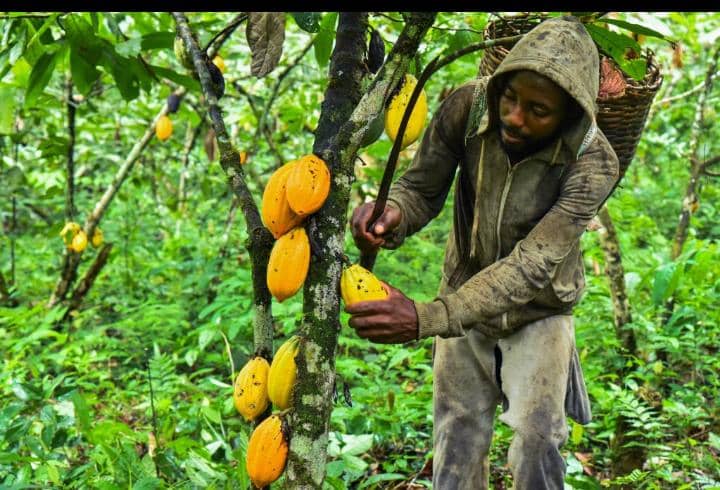
Fig 1: Cocoa Farming in Mbiame
🌾 Did You Know?
Almost every village in Mbiame cultivates maize and beans, the two staple crops that form the foundation of household food security. While these crops are widespread, differences in altitude, soil type and local climate allow each area of Mbiame to specialize in additional crops such as Irish potatoes, cassava, cocoyam, vegetables, coffee and fruit trees.
Why Mbiame is Known as Breadbasket
Mbiame has earned its reputation as breadbasket of Bui Division and neighbouring Divisions because of its exceptional agricultural productivity. The Fondom possesses a rare combination of fertile soils, abundant rainfall, favourable temperatures and hardworking farming communities that enable the cultivation of a wide variety of crops throughout the year.
Unlike many areas that specialize in only a few crops, Mbiame supports the production of cereals, tubers, legumes, vegetables, fruits, cash crops and livestock simultaneously. This diversity ensures both household food security and a steady supply of produce for regional markets.
Agricultural products from Mbiame are regularly transported to markets including:
- Bamenda
- Kumbo
- Ndop
- Foumban
- Magba
- Sabongari
- Bafoussam
- Yaoundé
- Douala
- Other major towns across Cameroon
The widespread demand for produce from Mbiame reflects the important role the Fondom plays in feeding neighbouring communities and supporting regional trade.
a. The Natural Environment that Supports Agriculture
One of Mbiame's greatest agricultural advantages is its favourable natural environment. The combination of highland climate, fertile soils and diverse landscapes creates ideal conditions for growing a wide range of crops.
b. Climate
Mbiame experiences a cool tropical highland climate characterised by two distinct seasons:
| Season | Characteristics | Agricultural Activities |
|---|---|---|
| Rainy Season | Heavy and reliable rainfall (March to around October) | Land preparation, planting and crop growth |
| Dry Season | Cooler and relatively dry conditions (October to around Mid March) | Harvesting, storage, vegetable cultivation in valleys and livestock grazing |
The reliable rainy season provides adequate moisture for most crops without requiring extensive irrigation, while valley bottoms and stream banks support vegetable production during the dry season.
c. Relief
The landscape of Mbiame consists of:
- Rolling hills
- Gentle slopes
- Fertile valleys
- Highland grasslands
- River valleys
- Wetlands
This varied relief allows different forms of agriculture to flourish in different locations across the Fondom.
For example:
- Highlands favour Irish potatoes, beans and livestock grazing.
- Gentle slopes support maize, cassava and yams.
- Valleys are ideal for vegetables, rice and dry-season farming.
Grasslands provide natural pasture for cattle, sheep and goats.
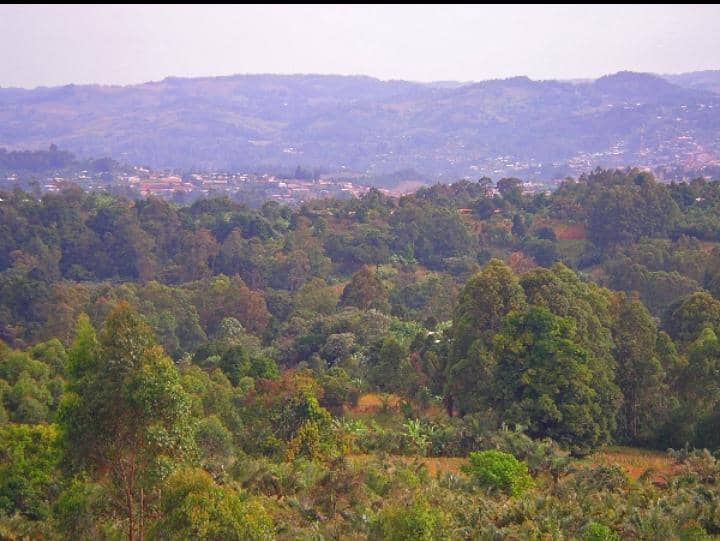
Fig 2: Lower Mbiame Farmland cross section view
d. The Fertile Soils of Mbiame Fondom
One of the greatest natural assets of Mbiame is its rich and diverse soils. The soils found throughout the Fondom are characteristic of the Western Highlands of Cameroon and vary according to altitude, slope, drainage and geological history.
Together, these different soil types make Mbiame one of the most agriculturally productive areas in the North West Region.
| Soil Type | Characteristics | Best Agricultural Uses |
|---|---|---|
| Volcanic Soils (Andisols) | Deep, dark, highly fertile and rich in nutrients | Maize, beans, Irish potatoes, vegetables, coffee, fruit trees |
| Red Ferrallitic Soils | Rich in iron and aluminium oxides; moderately fertile | Cassava, cocoyam, groundnuts and perennial crops |
| Clay Loam Soils | Good balance of clay, silt and sand; retain moisture while allowing drainage | Mixed farming and diverse food crops |
| Alluvial Soils | Fertile soils deposited along streams and wetlands | Vegetables, rice and dry-season farming |
| Lateritic Soils | Rich in iron; become hard when dry | Suitable for construction and improved farming with organic matter |
| Colluvial Soils | Deep soils formed from materials washed downhill | Crop farming due to excellent moisture retention |
1. Volcanic Soils
Volcanic soils are among the most fertile soils found in Mbiame. Formed from ancient volcanic materials, these soils are deep, dark and rich in nutrients.
They provide ideal conditions for crops such as:
- Maize
- Beans
- Irish potatoes
- Coffee
- Vegetables
- Fruit trees
These soils are one of the major reasons why Mbiame consistently records high agricultural productivity.
2. Red Ferrallitic Soils
These reddish soils are rich in iron and aluminium compounds.
Although naturally productive, they require proper soil management to maintain fertility over time.
Farmers commonly cultivate:
- Cassava
- Cocoyam
- Groundnuts
- Perennial crops
Regular application of organic manure helps maintain their productivity.
3. Clay Loam Soils
Clay loam soils contain a balanced mixture of clay, silt and sand.
Their ability to retain moisture while providing good drainage makes them particularly suitable for mixed farming systems.
Many household farms throughout Mbiame are established on clay loam soils because they support a wide variety of crops.
4. Alluvial Soils
Alluvial soils occur mainly along rivers, streams and valley bottoms.
These soils receive regular deposits of fertile sediments, making them especially productive.
Farmers use these areas for:
- Tomatoes
- Cabbage
- Carrots
- Onions
- Rice
- Other dry-season vegetables
Because water remains available for much of the year, valley farming plays an important role in ensuring continuous food production.
5. Lateritic Soils
Lateritic soils are commonly found on exposed hilltops and heavily weathered landscapes.
Although they are less suitable for intensive cultivation without improvement, farmers can enhance their productivity through:
- Organic manure
- Compost
- Mulching
- Proper soil conservation practices
6. Colluvial Soils
Colluvial soils accumulate at the foot of hills where materials from higher elevations are naturally deposited.
These soils are generally deeper than hillside soils and retain moisture effectively, making them suitable for cultivating a wide range of food crops.
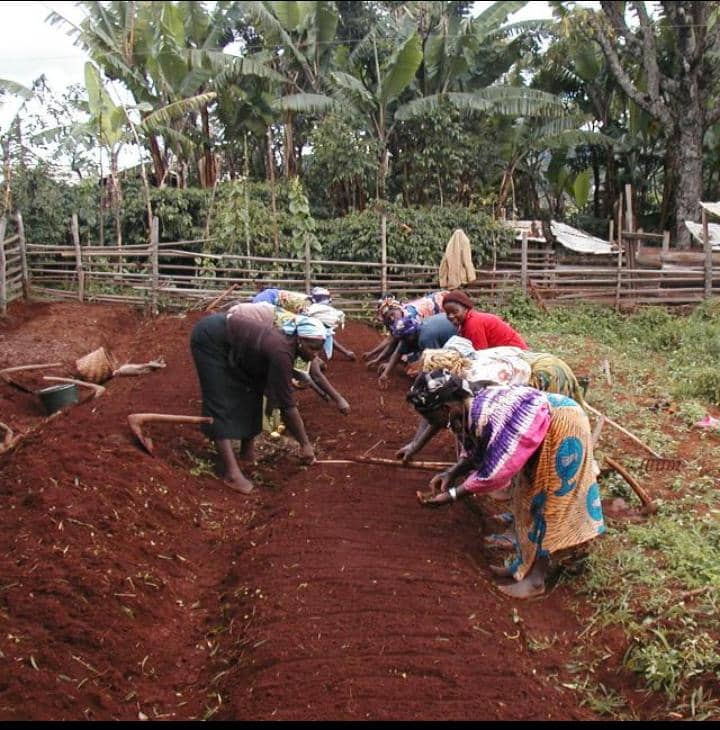
Fig 3: Soil tilling by farmers in Mbiame
Why Mbiame's Soils Are Exceptionally Productive
The agricultural success of Mbiame is closely linked to the quality and diversity of its soils. The combination of fertile volcanic soils, well-drained loamy soils, nutrient-rich valley deposits and a favourable highland climate creates an environment where a remarkably wide range of crops can thrive.
Unlike many farming areas that are suited to only a limited number of crops, Mbiame supports cereals, legumes, tubers, vegetables, fruits and cash crops across different landscapes. Cooler highland areas favour crops such as Irish potatoes and beans, while lower and warmer areas are better suited to cassava, cocoyam, plantains and other tropical crops. Fertile valley bottoms further enhance agricultural production by supporting year-round vegetable cultivation and, in suitable locations, rice farming.
The long farming tradition of the people of Mbiame has also contributed significantly to the productivity of these soils. Through generations of experience, farmers have learned to match crops with the most suitable soil types and terrain, while increasingly adopting soil conservation practices such as crop rotation, organic manure application, contour farming and agroforestry. These practices help maintain soil fertility and ensure that the land continues to sustain both present and future generations.
As a result, Mbiame produces an impressive variety of agricultural products, many of which are consumed locally while others are transported to markets across Cameroon.
This richness of Mbiame's soils supports an impressive diversity of agricultural products, including:
Staple Food Crops
- Maize
- Beans
- Irish potatoes
- Sweet potatoes
- Cassava
- Cocoyam
- White yam
- Yellow yam
- Sweet yam
- Rice
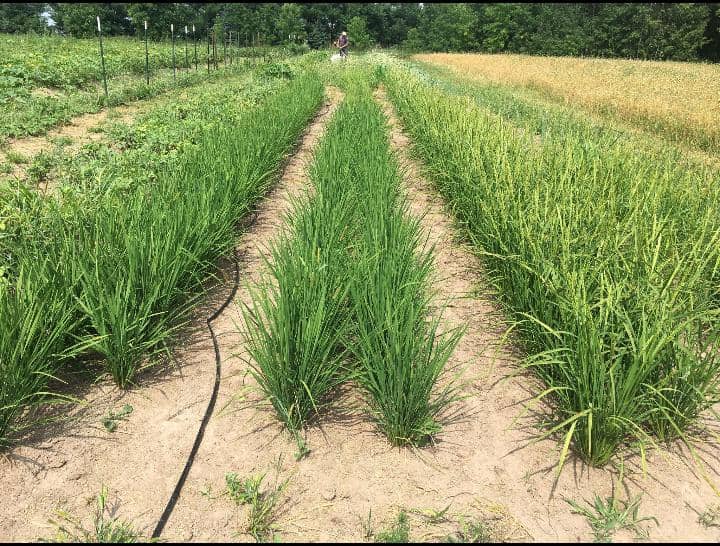
Fig 4: Rice Cultivation in Mbiame
Legumes
- Groundnuts
- Soya beans
- Cowpeas
- Beans
Cash Crops
- Coffee
- Cocoa
Vegetables
- Cabbage
- Tomatoes
- Carrots
- Leeks
- Onions
- Green pepper
- Garden eggs
- Huckleberry (Njama Njama)
- Amaranth
- Celery
.jpg)
Fig 5: Huckleberry (Njama njama) Vegetables
Fruits
- Avocados
- Oranges
- Avocados (pears)
- Plums
- Bananas
- Plantains
- Pawpaw
- Pineapple
- Lemons
- Limes
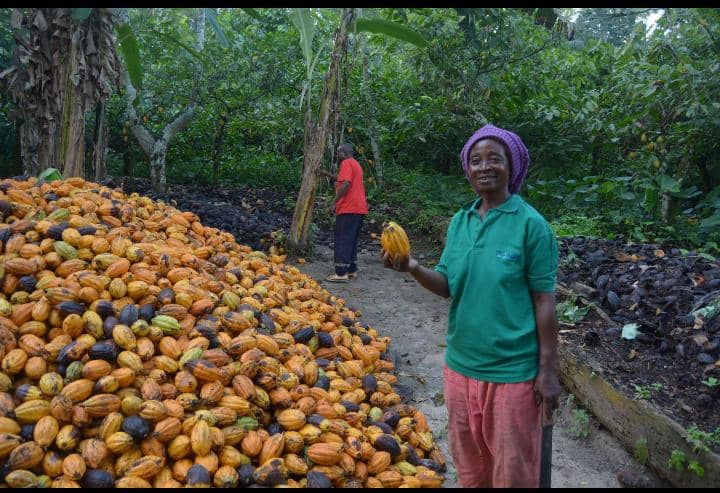
Fig 6: Cocoa Cultivation in Mbiame
Other Important Crops
- Sugarcane
The remarkable diversity of crops grown in Mbiame demonstrates the exceptional agricultural potential of the Fondom and explains why agriculture continues to be the backbone of its economy.
Conserving Mbiame's Agricultural Heritage
Although Mbiame enjoys fertile soils, much of the landscape is hilly. Without proper land management, soil erosion can gradually reduce productivity and threaten long-term agricultural sustainability.
To protect the land for future generations, many farmers increasingly adopt conservation practices such as:
- Contour farming
- Terracing
- Mulching
- Organic manure application
- Tree planting
- Agroforestry
- Crop rotation
These practices help preserve soil fertility, reduce erosion and ensure that agriculture remains productive for generations to come.
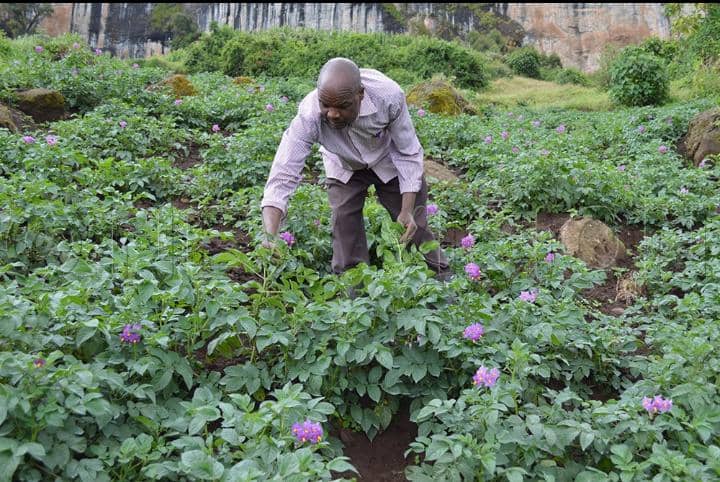
Fig 7: Irish Potatoes Cultivation in Mbiame
Types of Agriculture Practised in Mbiame Fondom
Agriculture in Mbiame is diverse and well adapted to the Fondom's varied landscapes, fertile soils and favourable climate. While many households farm primarily to feed their families, agriculture also serves as an important source of income through the sale of crops and livestock in local and regional markets.
Most farmers practise more than one type of agriculture, combining crop cultivation with livestock rearing, fruit production or vegetable farming. This diversification helps reduce risk, improves household food security and provides income throughout the year.
1. Subsistence Agriculture
Subsistence agriculture is the most common farming system in Mbiame. Families cultivate land mainly to meet their household food needs, selling only the surplus after ensuring there is enough for home consumption.
This farming system has sustained generations of Mbiame families and remains essential for food security.
Common Subsistence Crops
- Maize
- Beans
- Irish potatoes
- Sweet potatoes
- Cassava
- Cocoyam
- White yam
- Yellow yam
- Sweet yam
- Vegetables
- Fruits
Many households cultivate several of these crops on the same farm, allowing them to harvest food at different times of the year.
.jpg)
Fig 8: Maize Cultivation in Mbiame
2. Mixed Farming
Mixed farming combines crop cultivation with livestock rearing on the same farm. This is one of the most sustainable agricultural systems practised in Mbiame.
Livestock provide manure that enriches the soil, while crop residues are often used as animal feed, creating a beneficial relationship between farming activities.
Livestock Commonly Reared
- Cattle
- Goats
- Sheep
- Pigs
- Chickens
- Ducks
- Guinea fowls
- Rabbits
Mixed farming enables households to earn income from both crops and livestock while reducing dependence on a single source of livelihood.
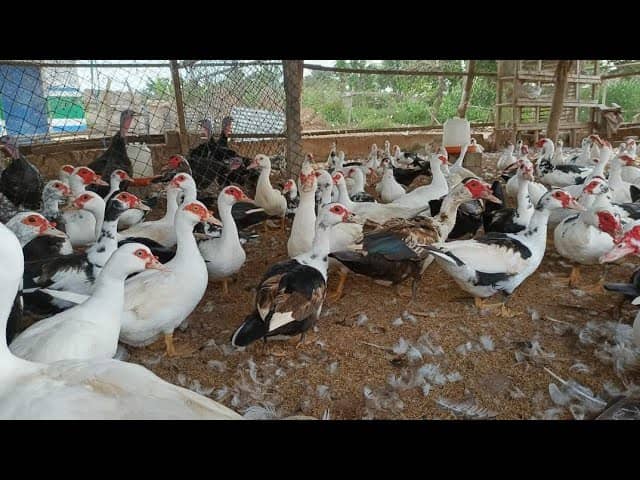
Fig 9: Duck Rearing in Mbiame
3. Commercial Agriculture
Commercial agriculture focuses on producing crops for sale rather than solely for household consumption. Although most farms remain relatively small, many farmers cultivate significant quantities of produce destined for markets across Cameroon.
Produce from Mbiame is transported regularly to markets in:
- Bamenda
- Kumbo
- Ndop
- Foumban
- Magba
- Sabongari
- Bafoussam
- Yaoundé
- Douala
- Other major towns
Major Commercial Crops
| Crop | Main Purpose |
|---|---|
| Irish potatoes | Food and trade |
| Maize | Food and commerce |
| Beans | Food and commerce |
| Coffee | Cash crop |
| Cocoa | Cash crop |
| Rice | Food and commerce |
| Cassava | Food processing and sale |
| Yam | Food and trade |
| Groundnuts | Food and oil production |
| Soya beans | Food and livestock feed |
| Tomatoes | Fresh markets |
| Cabbage | Fresh markets |
| Carrots | Fresh markets |
| Onions | Fresh markets |
| Sweet potatoes | Food and commerce |
Commercial farming contributes significantly to household income and regional food supply.
Livestock Farming in Mbiame
Livestock farming is another important component of Mbiame's agricultural economy. The Fondom's extensive grasslands and favourable climate provide suitable conditions for raising different types of animals.
Livestock not only provide meat, milk and eggs but also generate income and organic manure for crop production.
.jpg)
Fig 10: Goat Rearing in Mbiame
Main Livestock Raised
| Animal | Main Uses |
|---|---|
| Cattle | Meat, milk, breeding |
| Goats | Meat and income |
| Sheep | Meat and traditional ceremonies |
| Pigs | Meat and commercial production |
| Chickens | Eggs and meat |
| Ducks | Meat and eggs |
| Guinea fowls | Meat |
| Rabbits | Meat and household income |
In many households, livestock serve as an important form of savings and financial security.
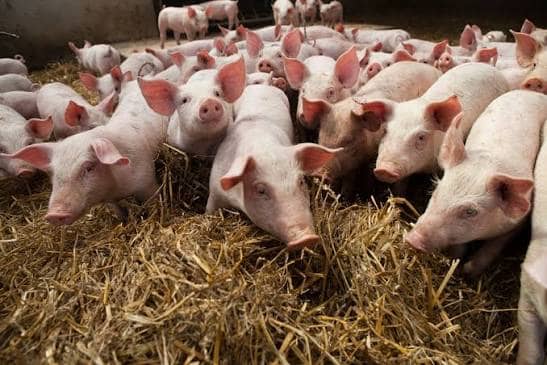
Fig 11: Pig Rearing in Mbiame
Vegetable Farming (Market Gardening)
Vegetable farming is widely practised throughout Mbiame and has become an increasingly important source of household income.
Farmers take advantage of fertile valley bottoms, wetlands and stream banks, especially during the dry season when moisture remains available.
Common Vegetables
- Cabbage
- Tomatoes
- Carrots
- Leeks
- Green pepper
- Lettuce
- Garden eggs
- Huckleberry (Njama Njama)
- Amaranth (Green)
- Celery
- Onions
Fresh vegetables from Mbiame are supplied to markets both within and outside the Fondom, contributing to improved nutrition and income generation.
.jpg)
Fig 12: Mbiame Groundnuts(Peanuts)
Coffee Farming
Coffee has historically been one of Mbiame's most important cash crops.
Arabica coffee, which thrives in cool highland environments, has long been cultivated by farmers and has contributed significantly to household incomes over the years.
Although coffee production has declined compared to previous decades, many farmers continue to cultivate coffee, and there is considerable potential for revitalising the sector through improved farming techniques and better market access.
Cocoa Farming
Although less widespread than coffee, cocoa is also cultivated in suitable parts of Mbiame where environmental conditions are favourable.
Cocoa serves as an additional cash crop, providing farmers with opportunities to diversify their income sources.
Fruit Farming
Fruit farming forms an important part of household agriculture across Mbiame. Many fruit trees are grown around family compounds, farms and homesteads, providing food, shade and income.
Common Fruits Grown
| Fruit | Main Uses |
|---|---|
| Avocado pears | Household consumption and sale |
| Plums | Fresh consumption |
| Pears | Fresh consumption |
| Oranges | Juice and fresh fruit |
| Guavas | Fresh consumption |
| Bananas | Food and trade |
| Plantains | Food and trade |
| Pawpaw | Food |
| Pineapple | Food and commerce |
| Lemons | Household use |
| Limes | Household use |
Fruit trees also contribute to soil conservation and environmental sustainability.
Agroforestry
Agroforestry is increasingly practised by farmers who integrate trees with crops and livestock on the same land.
This farming system offers numerous environmental and economic benefits.
Benefits of Agroforestry
- Improves soil fertility
- Reduces soil erosion
- Provides firewood
- Produces timber
- Conserves biodiversity
- Improves water retention
- Creates shade for crops and livestock
Common Trees
- Eucalyptus
- Grevillea
- Indigenous tree species
- Fruit trees
Agroforestry plays an important role in promoting sustainable agriculture while protecting Mbiame's natural environment.
Beekeeping (Apiculture)
Beekeeping is another agricultural activity practised by a number of farmers in Mbiame.
Beyond producing honey and beeswax, bees play a vital role in pollinating crops, thereby improving agricultural productivity.
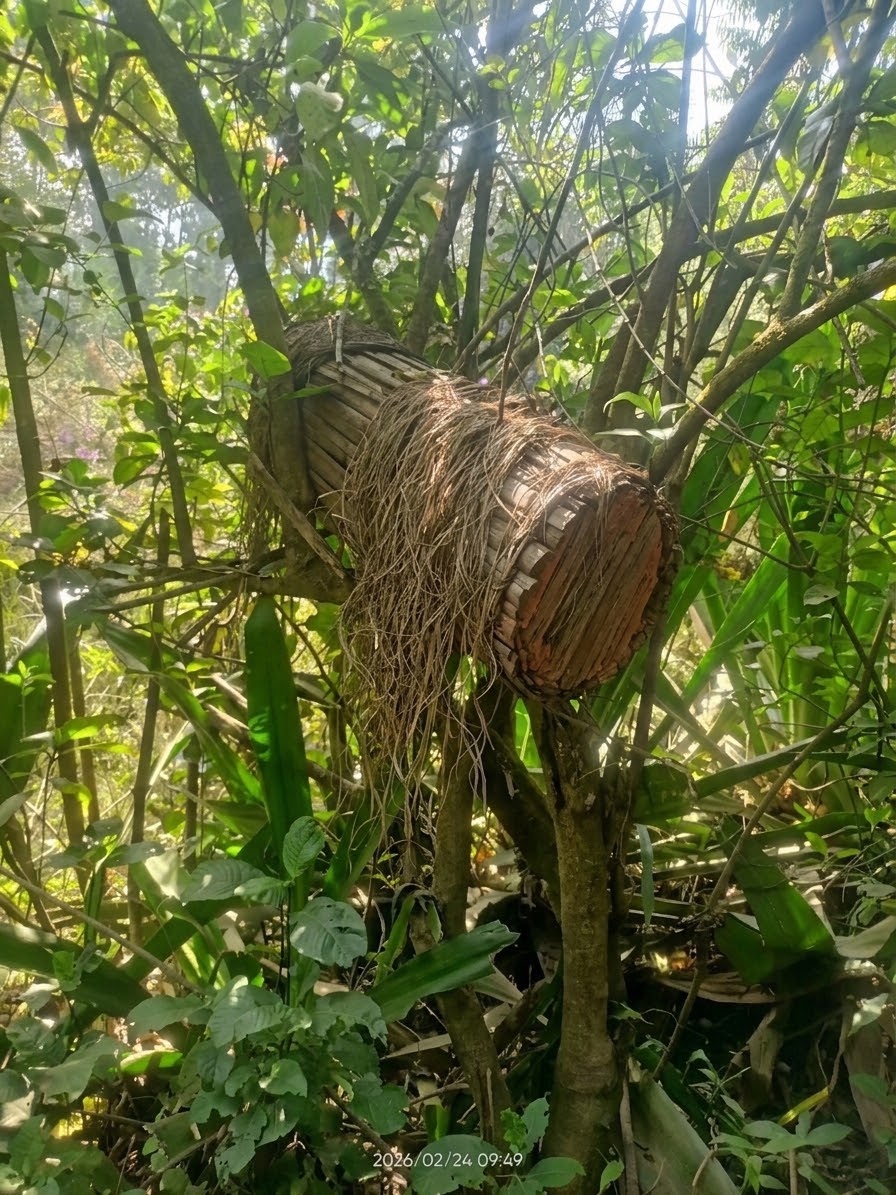
Fig 13: Bee Farming in Mbiame
Products Obtained
- Honey
- Beeswax
Benefits
- Additional household income
- Improved crop pollination
- Environmental conservation
- Diversification of farm enterprises
As interest in sustainable agriculture grows, beekeeping offers promising opportunities for rural development.
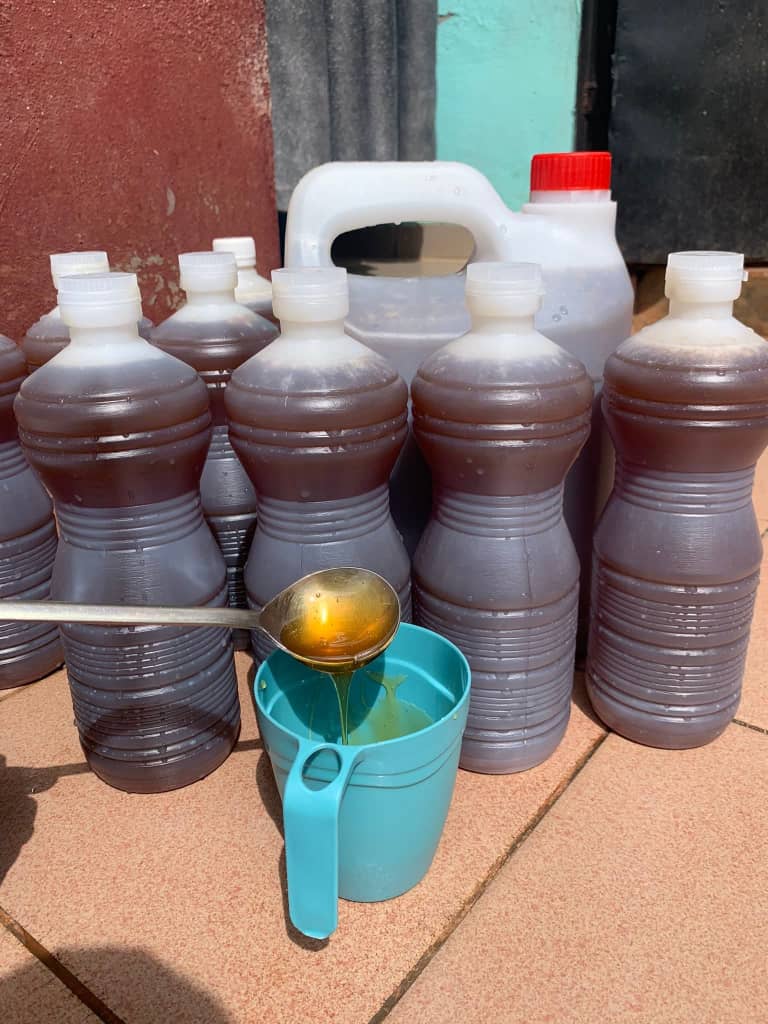
Fig 14: Mbiame Honey
Fish Farming
Fish farming remains relatively limited in Mbiame but has significant potential for future expansion.
Where reliable water sources are available, farmers can establish fish ponds to diversify food production and generate additional income.
Suitable locations include:
- Valley bottoms
- Wetlands
- Areas close to streams
- Low-lying land with reliable water supply
With improved technical support and investment, aquaculture could become an increasingly important component of the Fondom's agricultural sector.
Characteristics of Agriculture in Mbiame
Several features distinguish agriculture in Mbiame from many other farming areas.
| Characteristic | Description |
|---|---|
| Predominantly rain-fed | Most farming depends on seasonal rainfall. |
| Family labour | Household members provide most of the farm labour. |
| Small-scale farming | Farms are generally family-owned but highly productive. |
| Crop diversity | Farmers cultivate numerous crops rather than relying on a single crop. |
| Mixed farming | Crops and livestock are often raised together. |
| Improved farming methods | Increasing use of improved seeds, organic manure and better farming practices. |
These characteristics have enabled agriculture to remain resilient despite changing economic and environmental conditions.
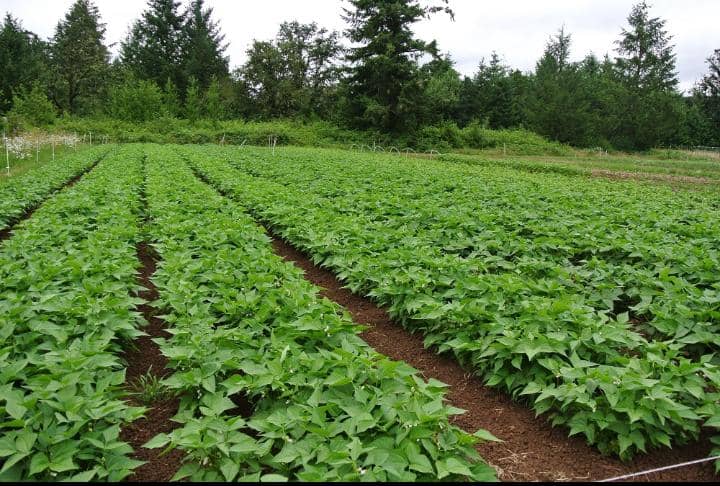
Fig 15: Beans cultivation in Mbiame
Agriculture and Daily Life in Mbiame
Agriculture is much more than an economic activity in Mbiame—it is a way of life. From an early age, many children learn basic farming skills by accompanying their parents and elders to the farm. This practical knowledge, passed down through generations, helps preserve traditional farming techniques while strengthening family and community bonds.
The agricultural calendar also shapes the rhythm of life in the Fondom. The arrival of the rains signals the beginning of land preparation and planting, while the harvest season brings communities together to gather crops and celebrate the fruits of their labour. Farming activities influence household planning, local markets and community cooperation throughout the year.
Beyond providing food for families, agriculture supports many other livelihoods. Traders transport produce to markets across Cameroon, livestock keepers supply meat and dairy products, and artisans rely on agricultural products such as bamboo, timber and fibres for their crafts. In this way, agriculture remains the foundation upon which much of Mbiame's economy and social life continues to thrive.
Challenges Facing Agriculture in Mbiame Fondom
Despite its rich agricultural potential, farmers in Mbiame face several challenges that can affect productivity, household incomes and long-term sustainability. Addressing these challenges is essential if agriculture is to continue supporting future generations.
1. Soil Erosion
Much of Mbiame consists of hills and sloping land. During the rainy season, heavy rainfall can wash away fertile topsoil, reducing soil productivity and affecting crop yields.
To reduce erosion, many farmers are adopting practices such as:
- Contour farming
- Terracing
- Mulching
- Tree planting
- Agroforestry
- Cover cropping
These methods help protect the soil while improving long-term farm productivity.
2. Climate Variability
Although Mbiame generally enjoys favourable weather conditions, changes in rainfall patterns and prolonged dry spells can affect planting seasons and crop growth.
Improving water conservation, protecting watersheds and adopting climate-smart agricultural practices will help farmers adapt to changing conditions.
3. Declining Coffee Production
Arabica coffee was once one of Mbiame's most important cash crops. However, production has declined over recent decades due to factors such as ageing coffee farms, changing market conditions and reduced investment.
Revitalising coffee farming through improved seedlings, farmer training and better market access could once again make coffee an important source of income for farming households.
4. Limited Access to Modern Farm Inputs
Many farmers continue to rely on traditional farming tools and methods. Limited access to improved seeds, fertilizers, farm machinery and extension services can reduce agricultural productivity.
Increasing access to modern farming technologies while preserving sustainable traditional practices would greatly benefit agricultural development.
5. Market Access
Although Mbiame supplies agricultural products to many towns across Cameroon, farmers sometimes face challenges including:
- Poor road conditions during the rainy season.
- High transportation costs.
- Post-harvest losses.
- Fluctuating market prices.
Improving rural infrastructure would help farmers transport produce more efficiently and reduce losses.
Sustainable Farming Practices
The future of agriculture in Mbiame depends on maintaining the fertility of its soils and protecting its natural environment. Fortunately, many farmers already practise methods that promote sustainable land use.
Important Conservation Practices
- Contour farming on slopes.
- Terracing steep farmland.
- Crop rotation.
- Organic manure application.
- Composting.
- Agroforestry.
- Tree planting.
- Mulching.
- Responsible grazing.
- Protection of water sources.
These practices help conserve soil, improve water retention and ensure that farmland remains productive for future generations.
The Economic Importance of Agriculture
Agriculture remains the backbone of Mbiame's economy and continues to influence almost every aspect of daily life.
Its importance extends far beyond food production.
i. Agriculture Provides Food Security
The wide variety of crops grown throughout Mbiame ensures that households have access to staple foods throughout much of the year.
Major food crops include:
- Maize
- Beans
- Irish potatoes
- Sweet potatoes
- Cassava
- Cocoyam
- Rice
- Yams
- Vegetables
- Fruits
This diversity reduces dependence on a single crop and strengthens household resilience.
ii. Agriculture Generates Household Income
Thousands of farming families earn income through the sale of:
- Coffee
- Cocoa
- Irish potatoes
- Vegetables
- Beans
- Maize
- Fruits
- Livestock
- Honey
Income from agriculture helps families pay school fees, meet healthcare costs, improve housing and invest in future farming activities.
iii. Agriculture Supports Regional Trade
Every year, produce from Mbiame reaches markets in:
- Bamenda
- Kumbo
- Ndop
- Foumban
- Magba
- Sabongari
- Bafoussam
- Yaoundé
- Douala
- Other towns across Cameroon
This trade strengthens economic links between Mbiame and neighbouring regions while contributing to national food supply.
iv. Agriculture Creates Employment
Agriculture provides employment opportunities for:
- Farmers
- Farm labourers
- Produce traders
- Transporters
- Livestock keepers
- Food processors
- Market vendors
Many other businesses also depend indirectly on agricultural production.
The Future of Agriculture in Mbiame
Mbiame possesses enormous potential for continued agricultural growth.
Its fertile soils, favourable climate and experienced farming communities provide a strong foundation for future development.
Several opportunities could further strengthen the sector:
- Improved farm-to-market roads.
- Modern storage facilities.
- Farmer cooperatives.
- Improved seedlings.
- Expansion of irrigation.
- Revitalisation of coffee production.
- Increased value addition through food processing.
- Youth participation in modern agriculture.
- Greater investment in livestock production.
- Expansion of beekeeping and fish farming.
By combining traditional farming knowledge with modern agricultural innovations, Mbiame can continue to strengthen its position as one of Cameroon's leading agricultural areas.
Key Takeaway
Agriculture is more than an occupation in Mbiame—it is the foundation of the Fondom's economy, culture and way of life. The land has sustained generations of families, shaped communities and earned Mbiame its well-deserved reputation as the breadbasket of Bui Division and neighbourings Divisions such as Noun, Mayo Banyo and Donga-Matung. Protecting this agricultural heritage is essential for ensuring food security, economic prosperity and cultural continuity for future generations.
Conclusion
Agriculture has long been the lifeblood of Mbiame Fondom. Blessed with fertile volcanic and loamy soils, a favourable highland climate and hardworking farming communities, the Fondom supports the cultivation of a remarkable diversity of crops and the rearing of livestock. From maize and beans to coffee, vegetables and fruit trees, agriculture continues to nourish households, sustain local livelihoods and supply markets across Cameroon.
While challenges such as soil erosion, changing climate patterns and declining coffee production require attention, Mbiame remains exceptionally well positioned for continued agricultural development. Through sustainable land management, improved farming practices and investment in rural development, the Fondom can preserve its rich agricultural heritage while embracing new opportunities for growth.
The story of agriculture in Mbiame is ultimately the story of its people—a community whose resilience, knowledge and close relationship with the land have transformed the Fondom into one of the most productive agricultural areas in the Western Highlands of Cameroon. Preserving this legacy is not only important for today's farmers but also for future generations who will continue to cultivate and protect the land.
References
- Wongibe Leonard. The Agricultural Life of Mbiame Fondom.
- Jude T. Berinyuy. (2024). Jonny Come (Palapala): A Play on Agricultural Entrepreneurship; Yaounde
- Jude T. Berinyuy (2025). Mbiame in the Beginning, Yesteryears and Nowadays. Nyaa Publisher: Yaounde
- Mbiame Council Development Plan: Elaborated with Financial and Technical Support from the National Community Driven Development Program (PNP); Published in 2012
Author: WONGIBE LEONARD
Co-author: JUDE T. BERINYUY
EDITOR(s): AYUVEA ANGELO T.