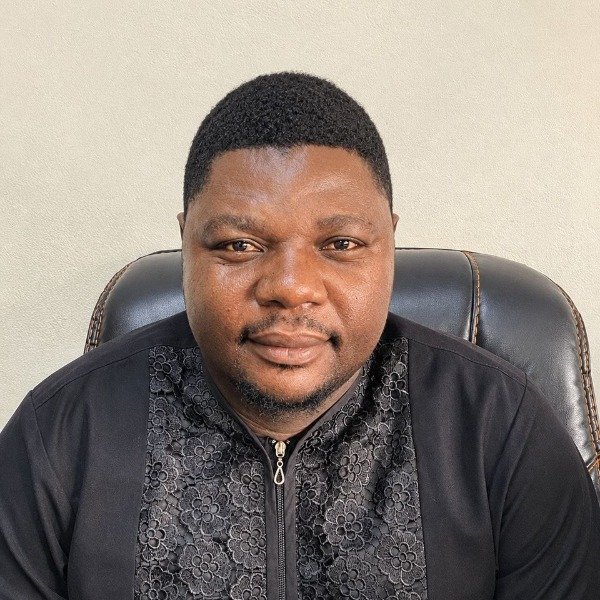
At a Glance
- Compound: Kinjohsi Big Compound
- Location: Mboshong Village, Mbiame Fondom
- Traditional recognition: 13 November 1967
- Founding patriarch: Shey Tàà Nchelav Nwerong Mbiame
- First Fai of the lineage: Fai Tàà wo Kinjohsi
- Current Fai: Fai Tàà wo Kinjohsi
- Family connection: Dui Mbisey Compound of Meluv, Nso
- Historical significance: A lineage built around service to the Mbiame throne, traditional loyalty and inter-community relations
- Tikar connection: Members of the lineage participated in a royal delegation to Kimi Manga between 1998 and 2003
Introduction
Within Mbiame Fondom, traditional compounds are much more than places where families live. They are important social institutions where family history, customary authority, traditional knowledge and community relationships are preserved across generations.
Among the compounds with a particularly distinctive history is the Kinjohsi Big Compound, located in Mboshong Village.
Although its formal recognition by the Mbiame Palace dates to 13 November 1967, the history behind the compound reaches much further back. Its foundation is connected to the life of a respected patriarch whose loyalty to the Mbiame throne became the defining feature of his legacy.
The story of Kinjohsi is also a story of dual heritage and traditional diplomacy. Its founding patriarch had connections to both Mbiame and Nso, while the lineage later developed a lasting relationship with the Dui Mbisey Compound of Meluv.
At the heart of the story is an unusual act of selflessness: a man who was offered the prestigious Fai title chose instead to have that honour reserved for his son.
Did You Know?
The Kinjohsi lineage traces its history to a patriarch who, according to family tradition, declined the Fai title for himself and requested that it be given to his son after his death.
That decision eventually led to the formal enthronement of his son as Fai Kinjohsi on 13 November 1967, during the traditional mourning ceremonies following his father's death.
The Founding Narrative: Shey Tàà Nchelav Nwerong Mbiame
The story of Kinjohsi Big Compound centres on a patriarch known by his earned traditional title:
Shey Tàà Nchelav Nwerong Mbiame.
According to Mbiame cultural tradition, the Nchelav title carries particular significance within Nwerong Mbiame.
The Nchelav Name and Cultural Protocol
Within the tradition described by the Kinjohsi family, once a person earns the Nchelav title within Nwerong Mbiame, the individual is no longer referred to by his birth name.
The earned title becomes his recognized identity and remains so even after death.
This practice illustrates an important principle within traditional Mbiame institutions: earned titles can become part of a person's permanent social and historical identity.
For this reason, the founding patriarch is remembered as Shey Tàà Nchelav Nwerong Mbiame rather than by his birth name.
A Lineage of Dual Heritage
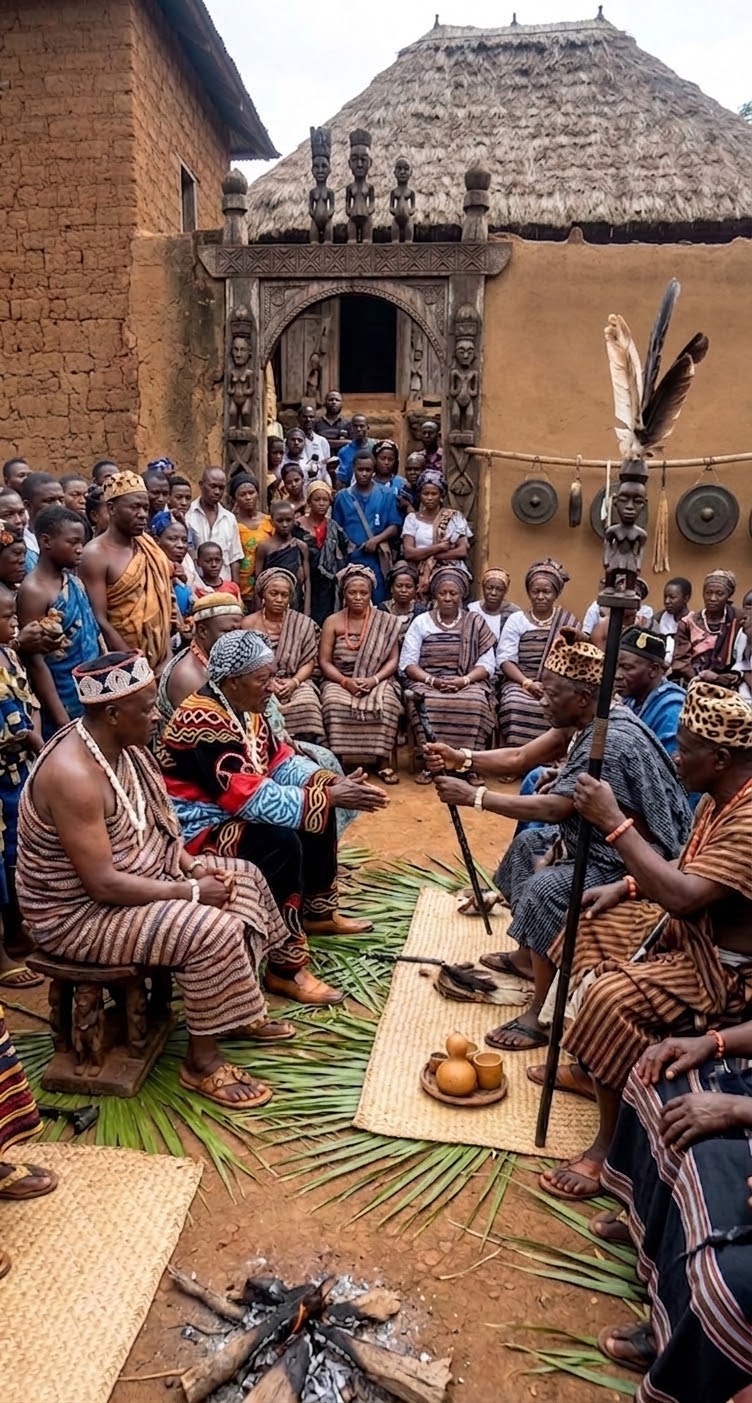
Fig 1: The relationship between Kinjohsi and Dui Mbisey demonstrates how family ties can strengthen traditional diplomacy across community boundaries.
The founding patriarch came from the Duiy Mbisey Compound and had connections to both Mbiame and Nso.
His father was from Meluv in Nso, while his mother came from Mboshong in Mbiame.
At a young age, he moved to Mbiame to live with his maternal grandfather at Shulav Njong Compound in Mboshong.
It was there that he spent the greater part of his life.
His upbringing placed him within Mbiame society while preserving a connection to his Nso paternal heritage.
This dual background would later become important in the relationships between the Kinjohsi lineage and the Dui Mbisey Compound.
A Life Dedicated to the Mbiame Throne
Growing up in Mboshong and in close proximity to the Mbiame traditional institution, Shey Tàà Nchelav developed a strong commitment to the welfare of the Fondom and its throne.
Family tradition remembers him as a determined defender of Mbiame's identity, historical heritage and traditional authority.
His loyalty eventually earned him an important position within the palace structure.
In accordance with Nwerong Mbiame, he became Nchelav Fon Mbiame, a traditional position associated with serving the Fon and attending to his needs.
The position placed him close to the Fon and made him part of the trusted circle surrounding the traditional institution.
His service became so distinguished that the Fon eventually considered rewarding him with one of the most prestigious titles available to him.
The Refusal of the Fai Title
A Reward He Chose to Pass to His Son
Because of his service and loyalty, the Fon of Mbiame sought to elevate Shey Tàà Nchelav to the rank of Fai.
The Fai title represents an important level of traditional authority within the Mbiame chieftaincy structure.
Rather than accepting the title for himself, however, Shey Tàà Nchelav made an extraordinary request.
He reportedly told the Fon that his position as a servant of the throne was sufficient.
Instead, he asked that the honour be reserved for his son after his death.
The decision transformed what could have been an individual honour into a hereditary legacy.
It also became one of the defining stories attached to the Kinjohsi lineage.
A Legacy Built on Service
The patriarch had more than twelve children from two marriages.
Yet his most enduring legacy was not simply the size of his family.
It was the principle represented by his decision to place service before personal advancement and lineage continuity before immediate personal recognition.
That principle would later become associated with the identity of the Kinjohsi family.
From Patriarch to Fai Kinjohsi
Shey Tàà Nchelav passed away in 1958.
Nearly a decade later, the promise made during his lifetime was fulfilled.
On 13 November 1967, during the traditional mourning ceremonies held in his honour, his son Tàà wo Kinjohsi was formally enthroned as Fai Kinjohsi by the Fon of Mbiame.
The event marked the formal establishment of the Kinjohsi Fai lineage.
From that point onward, the name Kinjohsi became associated not only with a family compound but with a recognized traditional lineage within Mbiame.
Kinjohsi at a Glance
| Institutional Detail | Record |
|---|---|
| Compound | Kinjohsi Big Compound |
| Village | Mboshong |
| Fondom | Mbiame |
| Traditional recognition | 13 November 1967 |
| First Fai | Fai Tàà wo Kinjohsi |
| Current Fai | Fai Tàà wo Kinjohsi |
| Year of birth of current Fai | 1946 |
| Length of reign | 59 years as of 2026 |
| Key ancestral connection | Dui Mbisey Compound, Meluv, Nso |
The Kinjohsi compound's history therefore spans more than a century of family memory, while its formally recognized Fai institution has continued since 1967.
Key Historical Milestones
| Period | Event |
|---|---|
| Late 19th–early 20th century | Shey Tàà Nchelav becomes established at Shulav Njong in Mboshong, Mbiame |
| Early 20th century | He becomes Nchelav Fon Mbiame in recognition of his loyalty and service |
| 1927 | Fon Tààta Shindzev I ascends the Mbiame throne |
| 1946 | Tàà wo Kinjohsi is born |
| 1958 | Shey Tàà Nchelav passes away |
| 13 November 1967 | Tàà wo Kinjohsi is enthroned as Fai Kinjohsi |
| 1998–2003 | Fai Kinjohsi participates in a royal delegation to Kimi Manga |
| 2026 | Fai Kinjohsi marks 59 years of continuous leadership |
Kinjohsi and Dui Mbisey: A Living Traditional Alliance
One of the most distinctive features of the Kinjohsi lineage is its continuing relationship with the Dui Mbisey Compound of Meluv in Nso.
The connection is rooted in the dual heritage of the founding patriarch.
His paternal origins were associated with Meluv, while his maternal roots were in Mboshong, Mbiame.
Over generations, this connection developed into an enduring relationship between the two compounds.
Mutual Recognition During Traditional Events
According to family tradition, major traditional events at Kinjohsi are attended by representatives from Dui Mbisey.
The relationship is reciprocal.
Kinjohsi also sends representatives when important events take place at Dui Mbisey.
These exchanges are more than ceremonial visits.
They demonstrate how family ties can become instruments of traditional diplomacy, maintaining relationships across the boundaries of different traditional communities.
A Remarkable Link Between the Two Compounds
The relationship has also been strengthened through the movement of members of the Kinjohsi lineage into positions of traditional responsibility outside Mbiame.
According to the family account, the present Shufai of Dui Mbisey is a child from the Kinjohsi lineage who was given by Tàà wo Kinjohsi to head the Meluv-Nso compound.
This development demonstrates the depth of the relationship between the two lineages.
Rather than treating traditional boundaries as barriers to family relationships, the Kinjohsi-Dui Mbisey connection illustrates how kinship, loyalty and traditional authority can cross territorial boundaries.
Reaffirming the Tikar Connection
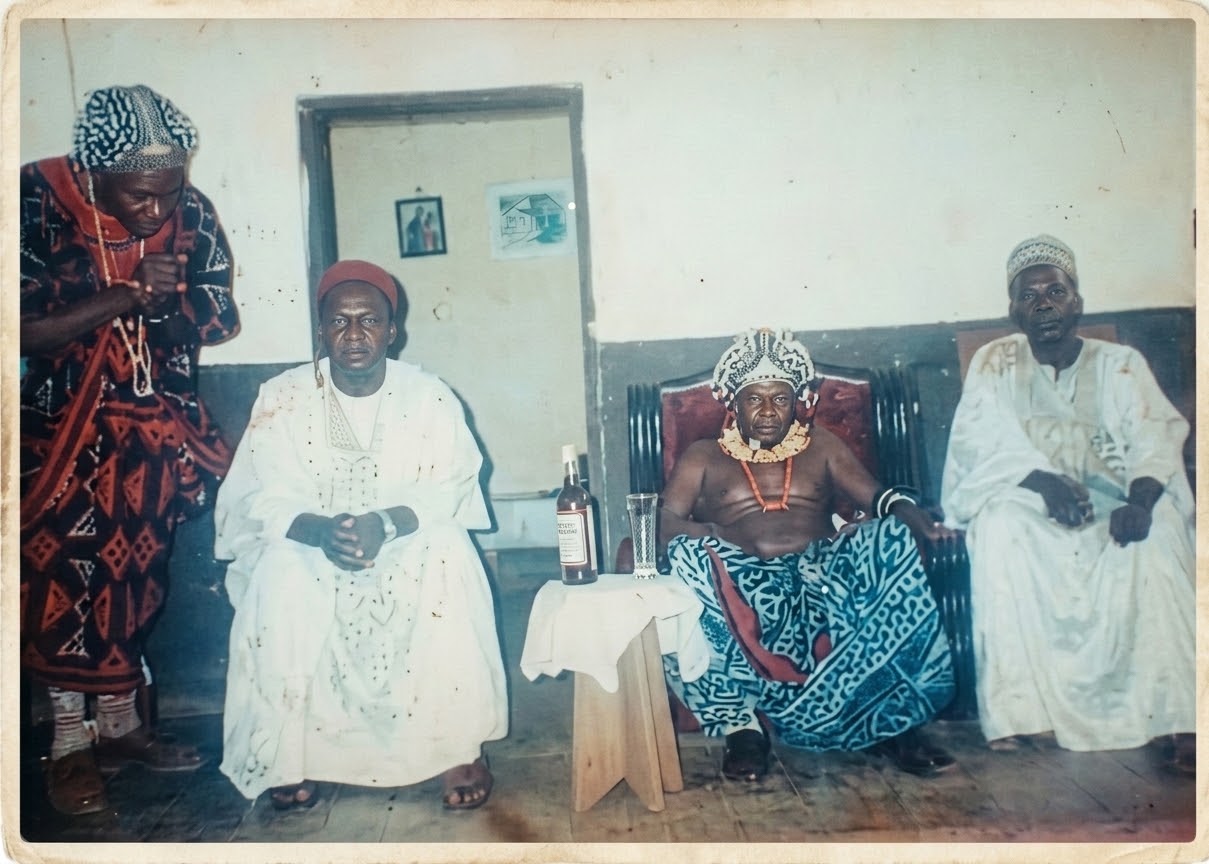
Fig 2: Fai Kinjohsi participated in a royal delegation that travelled to Kimi Manga to renew ancestral connections.
The Kinjohsi story also forms part of the wider historical traditions connecting Mbiame to the Tikar ancestral homeland.
Between 1998 and 2003, Fai Kinjohsi was selected to participate in a royal delegation that travelled to Kimi Manga in the Tikar plain.
The delegation included Fai Tàà Wong Mbiame and His Royal Majesty Tààta Shindzev III.
According to the account preserved by the Kinjohsi lineage, the delegation participated in customary activities intended to renew ancestral connections and honour their common forebears.
For Kinjohsi, this journey represented more than travel to a distant historical homeland.
It formed part of the continuing effort to preserve and reaffirm the ancestral traditions that connect Mbiame to the wider Tikar cultural sphere.
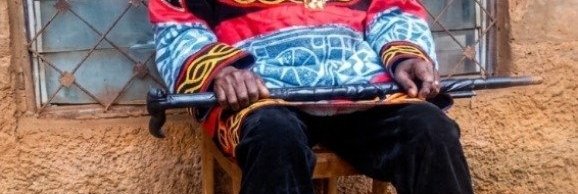
Fai Kinjohsi: 59 Years of Leadership
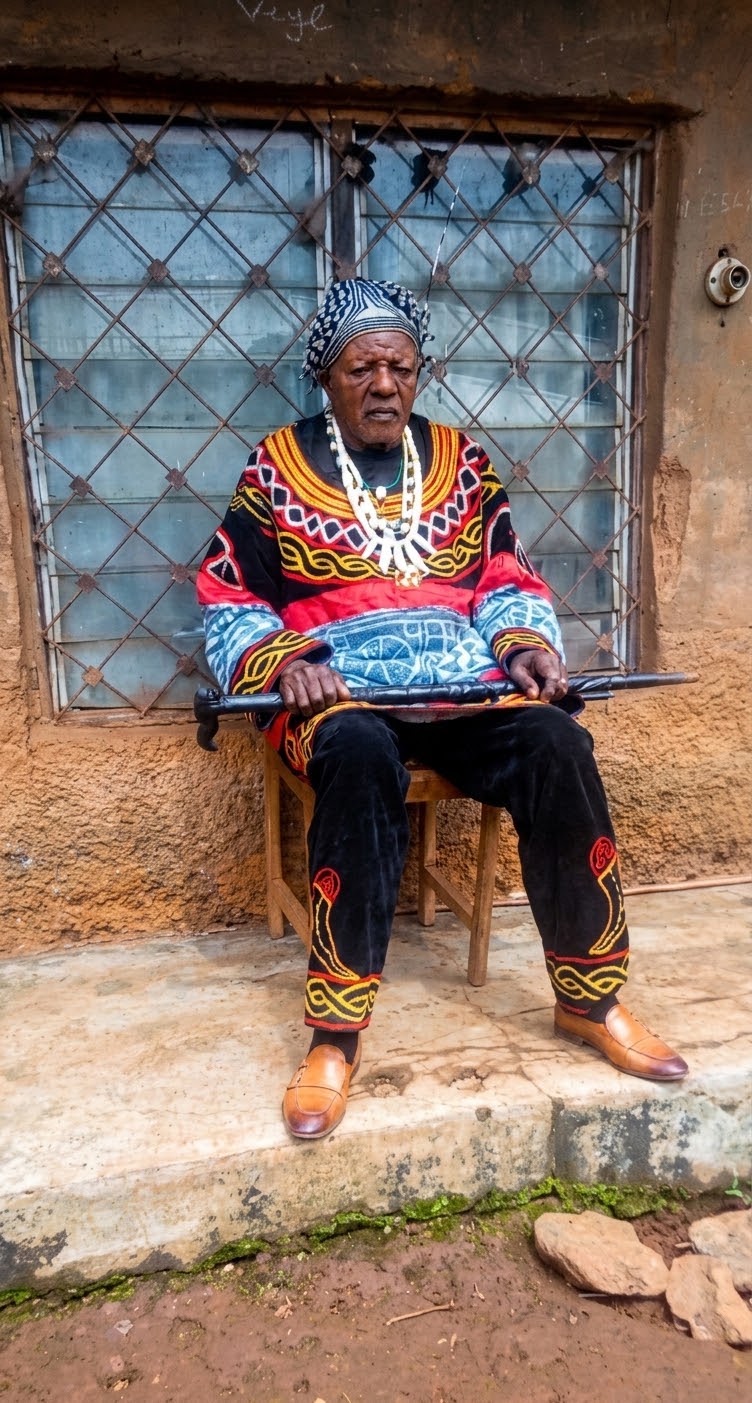
Fig 3: Fai Tàà wo Kinjohsi has continued the lineage's traditional responsibilities for 59 years since his enthronement in 1967.
Born in 1946, Fai Tàà wo Kinjohsi was formally enthroned in 1967.
By 2026, he has therefore completed 59 years of continuous leadership.
His long tenure has made him an important living link between generations.
He inherited a title created from his father's sacrifice and has carried it through decades of social and traditional change.
At 80 years old, he continues to discharge his traditional responsibilities, according to the family account.
His story demonstrates how a traditional institution can survive not simply through its title, but through the dedication of the individuals entrusted with it.
Why Kinjohsi Big Compound Matters
The history of Kinjohsi Big Compound provides an important window into the wider social structure of Mbiame.
It demonstrates several aspects of Mbiame traditional life:
1. Traditional Titles Carry Historical Meaning
The story of Nchelav and Fai shows that traditional titles are not merely names. They can represent service, responsibility, honour and lineage.
2. Service Can Create Hereditary Legacies
Shey Tàà Nchelav's decision to reserve the Fai title for his son transformed an individual act of service into a lasting family institution.
3. Family Networks Cross Traditional Boundaries
The Kinjohsi-Dui Mbisey relationship demonstrates how families can maintain strong bonds across the boundaries separating different traditional communities.
4. Compounds Preserve History
The Kinjohsi compound is not simply a residential location. Its oral traditions, family records and leadership history preserve knowledge about earlier generations.
5. Mbiame's History Is Connected to Wider Regional Histories
The lineage's links to Nso and its participation in the journey to Kimi Manga demonstrate that Mbiame history cannot be understood in isolation from the wider Grassfields and Tikar historical landscape.
Preserving the Kinjohsi Story
Stories such as that of Kinjohsi Big Compound are particularly important to document because much of their detail exists within oral traditions, family records and palace archives.
As generations pass, names, dates, relationships and traditional meanings can easily become distorted or forgotten if they are not recorded.
The Mbiame Website provides an opportunity to preserve these histories in a form that can be accessed by future generations.
The story of Kinjohsi therefore belongs not only to one compound or one family.
It forms part of the larger historical record of Mbiame Fondom.
Conclusion
The history of Kinjohsi Big Compound is a story of lineage, loyalty and traditional responsibility.
From the life of Shey Tàà Nchelav Nwerong Mbiame to the enthronement of his son as Fai Kinjohsi in 1967, the lineage has been shaped by a strong commitment to the Mbiame traditional institution.
The founding patriarch's refusal to take the Fai title for himself remains one of the most remarkable elements of the story. Rather than seeking personal advancement, he chose to preserve the honour for his son, creating a legacy that has continued for generations.
The compound's relationship with Dui Mbisey in Meluv, Nso, further demonstrates the importance of family networks and traditional diplomacy across community boundaries.
Its participation in the journey to Kimi Manga also connects the lineage to the wider ancestral traditions of the Tikar cultural sphere.
After 59 years of leadership, Fai Tàà wo Kinjohsi remains a living link between the generation that established the lineage and the generations that will inherit its memory.
The story of Kinjohsi Big Compound is therefore ultimately a story about how loyalty becomes legacy, how family becomes institution, and how tradition survives through the people who choose to preserve it.
Sources and References
- Primary Source: Oral traditions, family registries and royal records preserved at Kinjohsi Big Compound, Mboshong, Mbiame.
- Mbiame Palace traditions and records, where applicable.
- Chilver, E. M., & Kaberry, P. M. (1967). Traditional Bamenda: The Pre-Colonial History and Ethnography of the Bamenda Grassfields. Buea: Government Press.
- Nkwi, P. N., & Warnier, J.-P. (1982). Elements for a History of the Western Grassfields. Yaounde: University of Yaounde.
- Nkwi, P. N. (1987). Traditional Diplomacy: A Study of Inter-Chiefdom Relations in the Western Grassfields. Yaounde: University of Yaounde.
Author: JUDE T. BERINYUY
Editor(s): AYUVEA ANGELO T. / JUDE T. BERINYUY