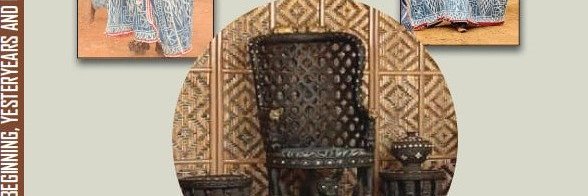

At a Glance
- People: Mbiame People of Mbiame Fondom
- Ancestral origin: Tikar
- Traditional founder: Leh Mbijaame
- Foundation of Mbiame Fondom: Traditionally dated to 1392
- Major settlement areas: Ngou'Nso, Foutaam (Taam), Tiywong, Mbaw Plain, Romelay Kovkinkar, Makob, Mbinon, Kai, near Kovifem, Oku and Mbiame, Mbven Subdivsion
- Present palace site: Rifem
- Major historical influences: Migration, Warfare, Displacement and the search for a Permanent Settlement
- Key historical sources: Mbiame Palace traditions, oral histories, interviews with elders and traditional authorities, archival materials and published works
Introduction
The history of Mbiame Fondom is a long story of origin, migration, settlement, warfare, resilience and return. Preserved through oral tradition, palace records, interviews and written accounts, it provides an important foundation for understanding the identity of the Mbiame people.
According to Mbiame historical tradition, the people of Mbiame trace their ancestry to the Tikar, whose historical homeland is associated with the Tikar area around present-day Bankim in the Adamawa Region of Cameroon. Mbiame tradition places the migration from the Tikar settlement area within the wider movement of peoples that followed disputes over succession in 1387 after the death of Fon/Chief Tinki who ruled from the historic capital of Kimi, also known as Refum(Rifem). Chief Tinki, it should be recalled, had many wives and several chilren.
The Mbiame story is also closely connected with the histories of other communities whose traditions trace their origins to the same Tikar homeland. Accounts preserved by Mbiame sources describe Mbiame, Nso, Bamoun and Bafia as having emerged from this wider ancestral setting before following different paths of migration and settlement. Athough the four were siblings with one father, Leh Mbijaame, like many other clans that lay claim to Tikar ancestry in the Grassfields, apparently had a different mother from Nchare Yen of Bamoun, Mboombam of Bafia and Ngon'nso of Nso. Consequently, he was not considered at the same level by the other three, which further explains why Bamoun, Bafia and Nso histories focus more on themselves as the Tikar descendants and either ignore Mbiame and others or treat their stories casually.
Over several centuries, the Mbiame people moved through different territories as a result of warfare, raids, political tensions and the search for secure land. Their eventual return to the Mbiame area is one of the most important chapters in this history.
Did You Know?
Mbiame traditional history records a long sequence of migrations before the people eventually returned to their present homeland. The journey passed through several settlements, including Ngou'Nso, Taam, Tiywong, Romelay Kovkinkar, Makob, Mbinon, Kai and Oku.
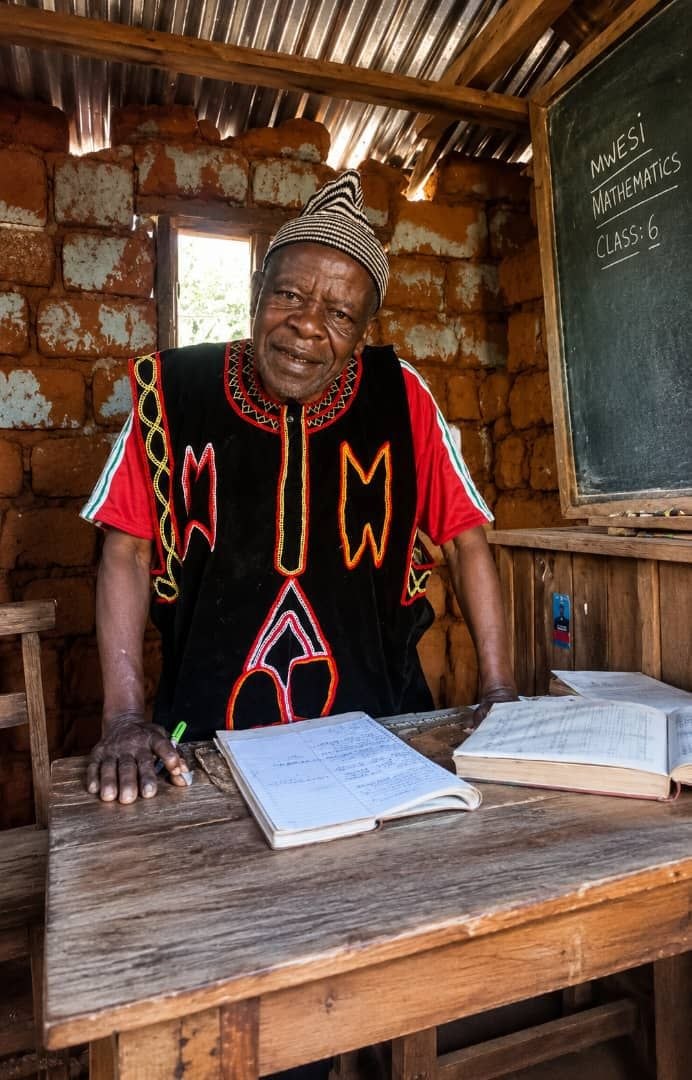
Fig 1: Mformi Kimi (Pa Ngalim Soh Elias), Mbiame
Mbiame Tikar Origin
The Tikar Homeland
Many communities across Cameroon, particularly in the Grassfields, preserve traditions connecting their ancestry to the Tikar homeland.
Within Mbiame historical tradition, the connection is particularly important. Berinyuy (2025) records oral and documentary evidence linking the origin of Mbiame to the Tikar ethnic group.
The tradition is also reflected in accounts from outside Mbiame. Traditional musical performer Wirajing Godlove of Nseh has preserved a version of the migration story in which Bamoun, Bafia (Mbam), Mbiame and Nso left the Tikar homeland as siblings.
A similar account was relayed by Pa Nji Oumarou Nchare, Director of the Foumban National Museum and Archives, during an interview in Foumban in 2025.
Evidence from Mformi Kimi's Archives
An important historical account is found in the manuscripts of Pa Ngalim Soh Elias aka Mformi Kimi, dating from the 1960s.
After visiting Foumban and discussing the history with Sultan El Hadj Mbombo Njoya and officials of the Foumban Archives and Cultural Institutions, Mformi Kimi recorded the tradition connecting the dynasties of Mbiame, Nso, Bamoun and Bafia (Mbam) to the Tikar homeland.
Kimi also documented his visit to Bankim in 2005, where he held discussions with the traditional ruler of the Tikar chiefdom, Gha II Ibrahim, and other traditional authorities.
These accounts form part of the wider body of oral and documentary material used in preserving Mbiame historical tradition.
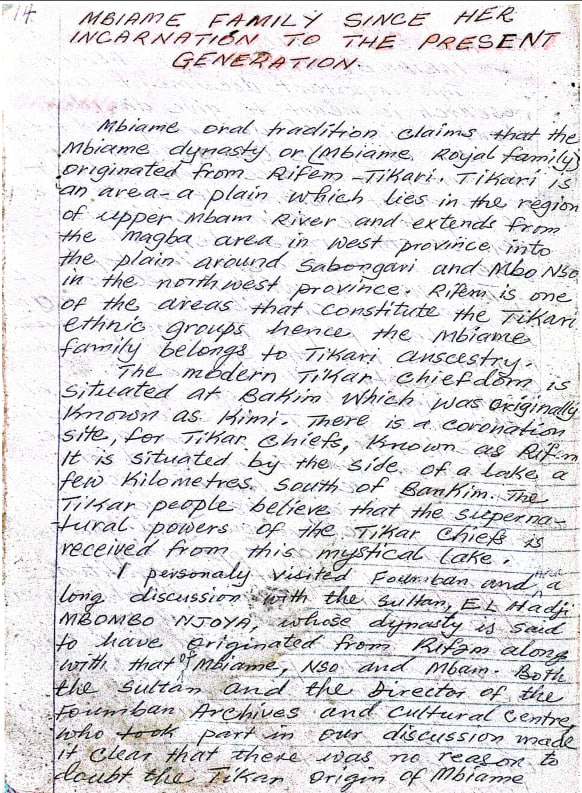
Fig 2: Mformi Kimi, Mbiame Manuscript page 14
The Mbiame Migration from the Tikar Homeland
According to the historical accounts preserved in Mbiame sources, a major movement from the Tikar settlement area took place around 1387, following disagreement over succession.
During this period, the ancestors of several communities began moving away from the Tikar area.
Mbiame tradition identifies Leh Mbijaame as the leader of the group that became the Mbiame people.
Separation at the Mape River
The migration brought Mbiame and Nso into a period of close association with the groups that would later form the Bamoun and Mbam communities.
According to the tradition, the Bamoun crossed the Mape River with Bafia or better still Mbam, and destroyed the bridge. This event contributed to the separation of the four migrating groups that took the same direction.
Mbiame and Nso subsequently followed their own paths.
Mbiame tradition further records that the relationship between the two groups later became increasingly difficult because of disagreement and competing claims over leadership.
The two communities eventually established separate traditional polities, each developing its own institutions, leadership and territorial history around 1392.
The Foundation of Mbiame Fondom
According to the genealogy preserved in Mbiame historical sources, Leh Mbijaame founded Mbiame Fondom in 1392 and became its first Fon.
Nso was established separately later by Ngon'nso in 1394, with its own traditional leadership under Le', her son.
The foundation of Mbiame Fondom therefore marked an important point in the development of a distinct Mbiame political and cultural identity.
From Ngou'Nso to Tiywong
After the settlement at Ngou'Nso, Leh Mbijaame continued the migration with his people.
The group moved first to Foutaam, also known as Taam, and later to Tiywong.
At Tiywong, the Mbiame people established their first palace.
However, the security of the settlement remained uncertain because of attacks from the Bamoun.
Mbiame in the Mbaw Plain and Romelay Kovkinkar
Continued attacks forced Mbiame to move again.
The people passed through the Mbaw Plain, known in the tradition as Mbonso, before eventually reaching Romelay Kovkinkar.
Romelay Kovkinkar became an important permanent settlement in Mbiame history. It was here that a second permanent palace was constructed.
According to the Mbiame genealogy, Fon Leh Mbijaame died or disappeared in 1422, bringing an end to the first Fon's long period of leadership.
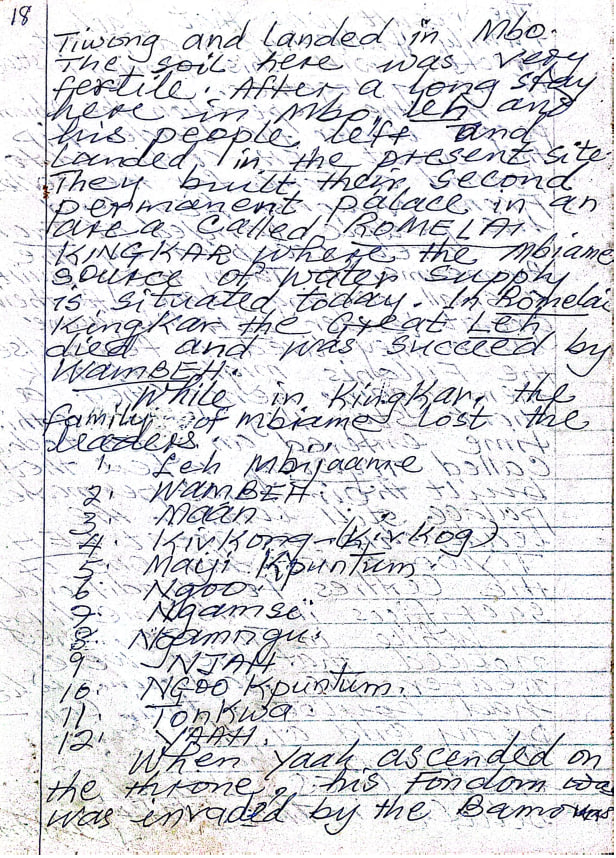
Fig 3: Mformi Kimi, Mbiame Manuscript page 18
Years of Warfare and Displacement
The history of Mbiame after Romelay Kovkinkar was strongly shaped by warfare and repeated displacement.
Mbiame tradition records continued Bamoun assaults and raids, which made it difficult for the people to maintain stable settlement and leadership.
The period between 1726 and 1826 was particularly difficult. Historical accounts preserved in Mbiame sources describe repeated attacks and instability across settlement areas including Taam, Mbolah, Tiywong and Romelay Kinkar.
Several Fons were reportedly killed during these turbulent years.
Mbolah: The Land of No Return
One of the most painful memories in Mbiame history is associated with Mbolah.
According to Mbiame tradition, warfare and Fulani raids around Mbolah resulted in the deaths of Fon Yaah and several others in 1729.
Mbolah subsequently became known in Mbiame historical memory as a land of no return.
Its memory has been preserved through funeral songs and oral traditions, ensuring that the events associated with the place remain part of the collective historical consciousness of Mbiame.
Dirge about Mbolah:
(Mother Tongue/Lamnso Version)
Yãyã bè lén à?
Wù dù ni Mbolah à, wù dù ni Mbòláh àà
Tātā bè lén à?
Wù dù ni Mbolah à, wù dù ni Mbòláh àà
English Translation:
Where is grandma (our elderly woman) now?
She has gone to the land of no return (Mbòláh), she has gone to the land of no return.
Where is grandpa (our elderly man) now?
He has gone to the land of no return (Mbòláh), he has gone to the land of no return.
Fon Kailang and the Period of Captivity
Another important episode concerns Fon Kailang.
According to Mbiame oral tradition, Fon Kailang was captured and taken to Bamoun territory as a war prisoner around 1829.
He eventually transformed into a hawk and escaped back to Mbiame. This is documented in local Bamoun history and Fon Kailang is historically referred to in Bamoun Language by the locals as "Ghawum" (hawk). The Mbiame genealogy records that Fon Kailang held the throne during an earlier period and later resumed leadership between 1847 and 1850, following the period in which Fon Ndzeshasha occupied the throne. This unusual succession reflects the instability created by the prolonged conflicts and migrations experienced by the Fondom.
The Kidzeh Migration Tradition
Mbiame oral history also preserves the story of Ndzeshasha, particularly in connection with the history of the Kidzeh family.
In an interview conducted on 12 December 2024, Tangwa Usmaila Yulem, the last son of the late Shuufaay Kidzeh (Who lived from 1912-2014 ,ruling from 1977-2014), recalled what his father (His predecessor, the first Shufaay Kidzeh) had told him about the origins of the Kidzeh family.
According to this oral account, Fon Ndzeshasha founded the Kidzeh family.
The tradition further holds that some people migrated with him to Takum in present-day Nigeria, while others settled in Nso and another group eventually returned to Mbiame at the request of Fon Shidzev I the Great in the early 1900s. The Kidzeh families which constitute Mbiame Big Compounds in the diaspora are therefore located in Takum (Nigeria), Kitiwum, Berr, Vekovi and Kishoong but the main one is that in Mbiame, Tanyar with the Jamoh village offered to them by the Fon of Mbiame as compensation for accepting to return.
Such accounts demonstrate the value of oral history in reconstructing the movement of Mbiame families during periods when warfare and migration repeatedly disrupted settlement.
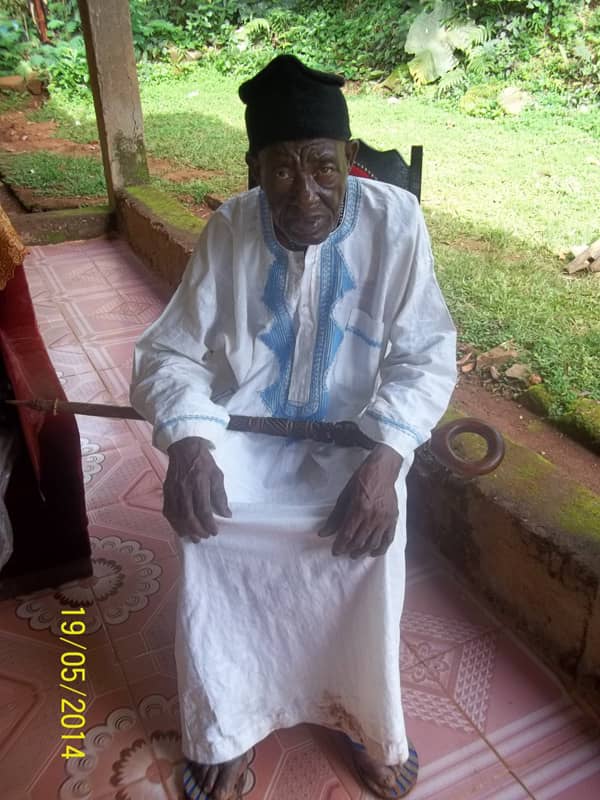
Fig 4: Shuufaay Kidzeh II
Mbiame Settlement in Makob and Mbinon
The raids did not end with the return of Fon Kailang.
According to Mbiame historical tradition, continued Bamoun attacks eventually forced the people to leave their settlement and move to Makob, near Ntumbaw in present-day Donga Mantung Division of the North West Region in the early 1850s.
Fon Kailang and his people later moved from Makob to Mbinon in the late 1850s, a village in Noni Subdivision of Bui Division.
The movement was motivated by the continuing fear of further attacks.
Mbiame remained in Mbinon for a considerable period, during which the Fondom again experienced a change of leadership.
Fon Kailang was succeeded by Fon Kima, followed later by Fon Njoka.
Mbiame in Kai
Under the leadership of Fon Njoka, the people moved from Mbinon to Kai, in Bui Division, near Kovifem around 1860.
At Kai, Mbiame came into contact with an established Nso settlement but their stay was short lived.
One important event occurred when the Mbiame people sought to mourn their deceased Fons, many of whom had died during the years of warfare and migration.
The Nwerong Incident
According to Mbiame oral tradition, Nwerong Mbiame, the highest secret society of the land, initiated a mourning and celebration ceremony.
The ceremony was stopped by the Nso authorities, who maintained that there could not be two Nwerong institutions within the same land.
The incident demonstrated that the traditional institutions of the two communities were not structured to operate as two separate authorities within one territory. Mbiame therefore continued its search for a territory where it could maintain its own traditional institutions and autonomy.
Mbiame Settlement in Oku
After leaving Kai, the Mbiame people considered returning to areas where their ancestors had previously lived.
However, fear of renewed Bamoun attacks made this difficult.
The people subsequently moved towards Oku still around 1860.
According to Mbiame oral tradition, Fon Ngum Ta Yeh of Oku refused to allow Mbiame to continue wandering when there was sufficient land to accommodate both communities.
He therefore welcomed the Mbiame people and ordered the construction of nine structures to shelter the Fon of Mbiame and his followers.
Years of Peaceful Coexistence
The two Fondoms lived together peacefully in Oku for many years.
Importantly, Mbiame retained its own traditional identity and institutions during this period.
The Mbiame tradition remembers this period as one in which the two communities lived as brotherly Fondoms without one challenging the traditional autonomy of the other.
During the Oku period, Fon Njoka died and was succeeded by other Mbiame Fons, eventually leading to the reign of Fon Taata Nweh I (1890-1927).
The Return of Mbiame to Its Homeland
One of the most significant chapters in Mbiame history is the eventual return from Oku to the traditional Mbiame settlement area.
According to Mbiame oral history, this occurred during the reign of Fon Taata Nweh I in 1910.
Fon Taata Nweh I and the German-Nso War
At the time, the Germans were engaged in conflict with the Nso people under Fon Ngah which started in 1907 to 1910.
As the conflict intensified, Fon Ngah reportedly fled his palace and sought refuge in the area around Yang.
Concerned about the situation affecting Nso, Fon Taata Nweh I of Mbiame decided to intervene.
According to the oral tradition, he approached the Germans carrying a white fowl on a long stick.
Despite the Germans pointing their guns towards him, the Fon continued advancing.
The white fowl represented peace and his appeal for the fighting and bloodshed to stop.
The Germans eventually stopped and asked who he was.
Fon Taata Nweh I explained that he was the Fon of Mbiame and that his traditional homeland was at Romelai Kinkar, but that Mbiame had been unable to remain there because of repeated Bamoun attacks.
After hearing his explanation, the Germans accepted his intervention.
Fon Ngah was brought out of hiding and reinstalled, while Fon Taata Nweh I was allowed to return with his people to their traditional settlement area.
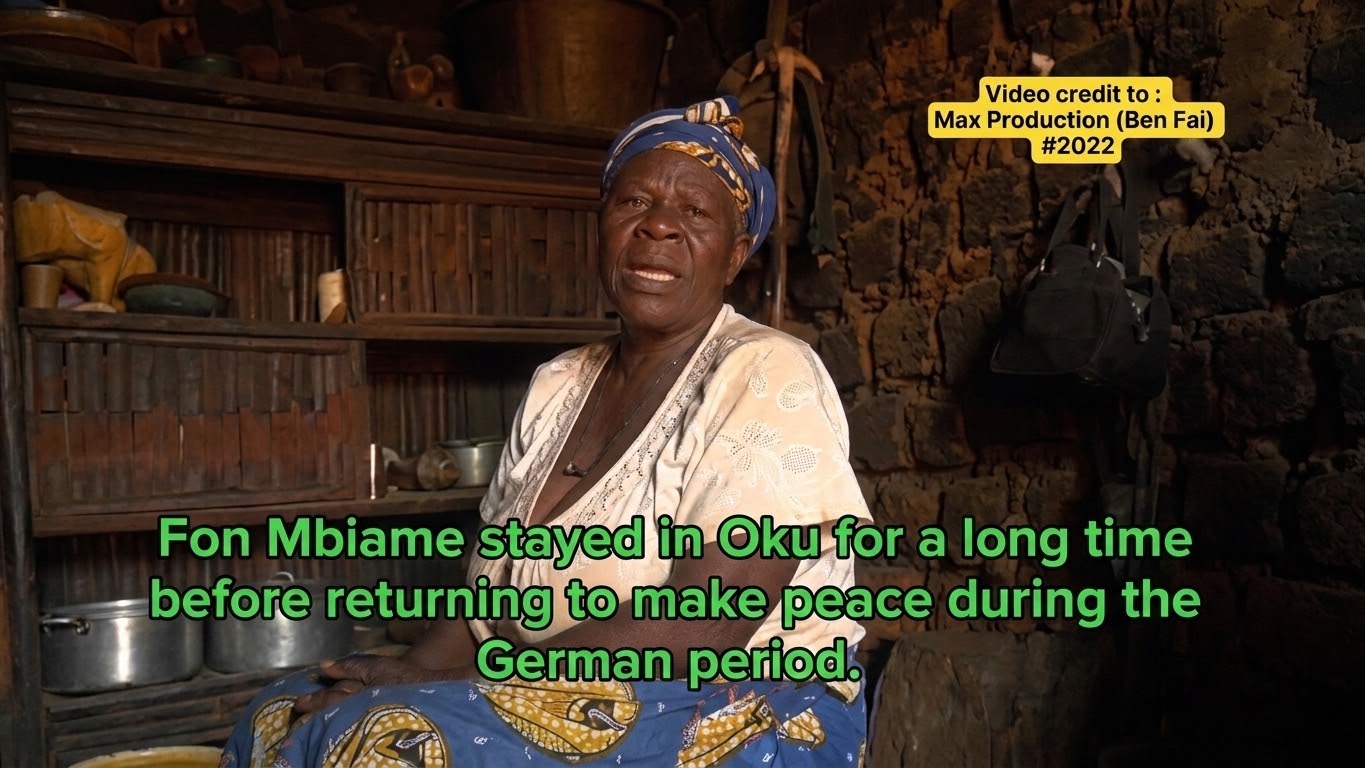
Fig 5: Mbiame Queen Mother recounting Mbiame history
The Return to Romelai Kinkar
According to the Mbiame historical account, the Germans saw Fon Taata Nweh I and his people back to their traditional settlement around Romelai Kinkar in approximately 1910.
This return marked a major turning point in Mbiame history.
After centuries of movement caused by warfare and insecurity, the Mbiame people were once again able to establish themselves in their ancestral settlement area.
The Mbiame Palace was later transferred from Romelai Kinkar to Rifem, the present palace site, around 1960.
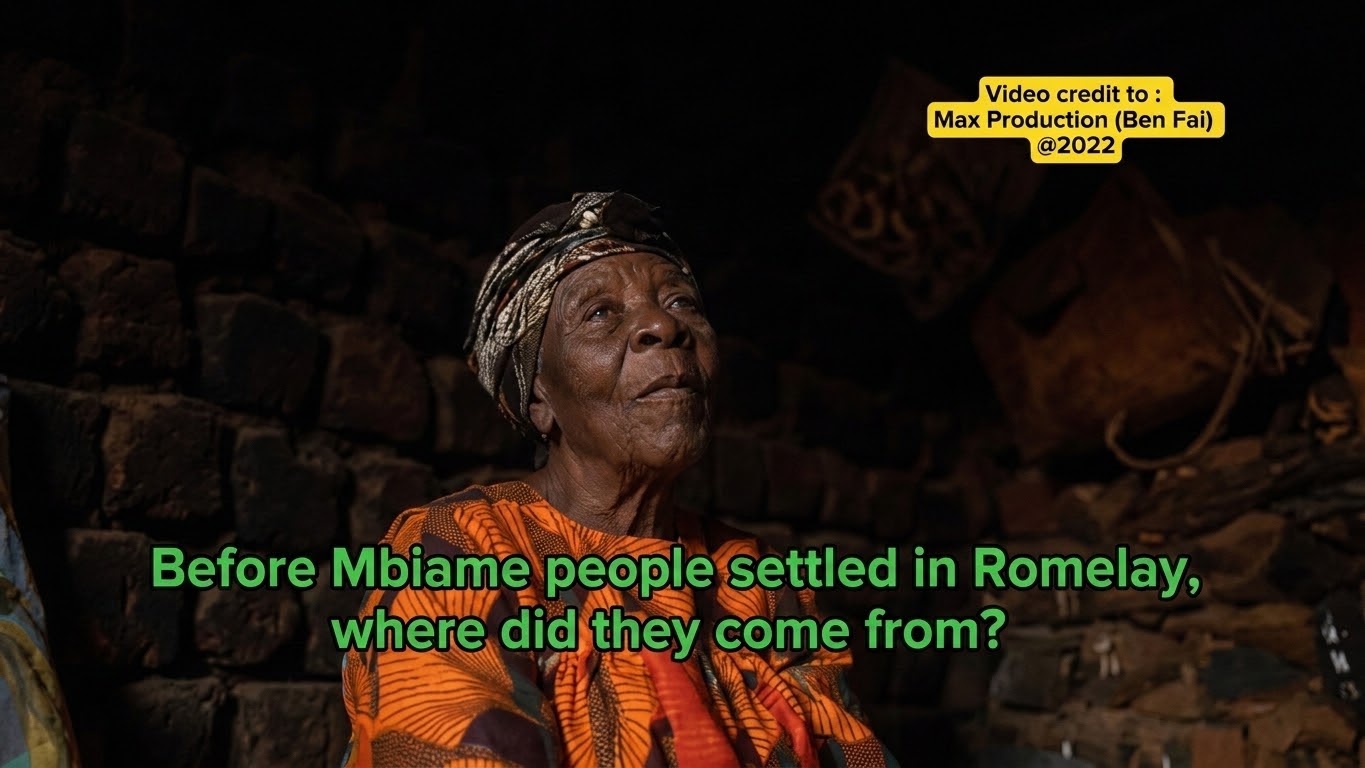
Fig 6: Mbiame Queen Mother recounting Mbiame history
Genealogy of Mbiame Fondom
According to the Mbiame genealogy preserved in the historical sources, twenty-one Fons have ruled Mbiame Fondom since its establishment.
| No. | Fon | Period of Reign |
|---|---|---|
| 1 | Fon Leh Mbijaame | 1392–1422 |
| 2 | Fon Wambeh | 1422–1458 |
| 3 | Fon Maan | 1458–1474 |
| 4 | Fon Kivkong | 1474–1528 |
| 5 | Fon Kpuntum | 1528–1547 |
| 6 | Fon Ngoo | 1547–1569 |
| 7 | Fon Ngamsi | 1569–1586 |
| 8 | Fon Ngaming | 1586–1623 |
| 9 | Fon Njah | 1623–1670 |
| 10 | Fon Ngoo Kpuntum | 1670–1699 |
| 11 | Fon Tonkwa | 1699–1726 |
| 12 | Fon Yaah | 1726–1729*** |
| 13 | Fon Kailang | 1829 and later; 1847–1850*** |
| 14 | Fon Ndzeshasha | 1847 |
| 15 | Fon Kima | 1850–1860 |
| 16 | Fon Njoka | 1860–1890 |
| 17 | Fon Taata Nweh I | 1890–1927 |
| 18 | Fon Taata Shidzev I | 1927–1988 |
| 19 | Fon Shidzev II | 1988–1998 |
| 20 | Fon Taata Shidzev III | 1998–2017 |
| 21 | Fon Nweh II | March 2017–present |
N/B: Between 1726-1826, Mbiame Fondom suffered constant Bamoun assaults and raids on their settlement areas in Taam, Mbolah, Tiywong as well as Romelai Kinkar and some Fons were killed in the process. It was therefore difficult to have a steady leadership. Besides, Fon Kailang ruled twice because he was first captured by Bamoun during the first reign and then returned to continue from 1847-1850, taking over from Ndzeshasha who occupied the throne in his absence.
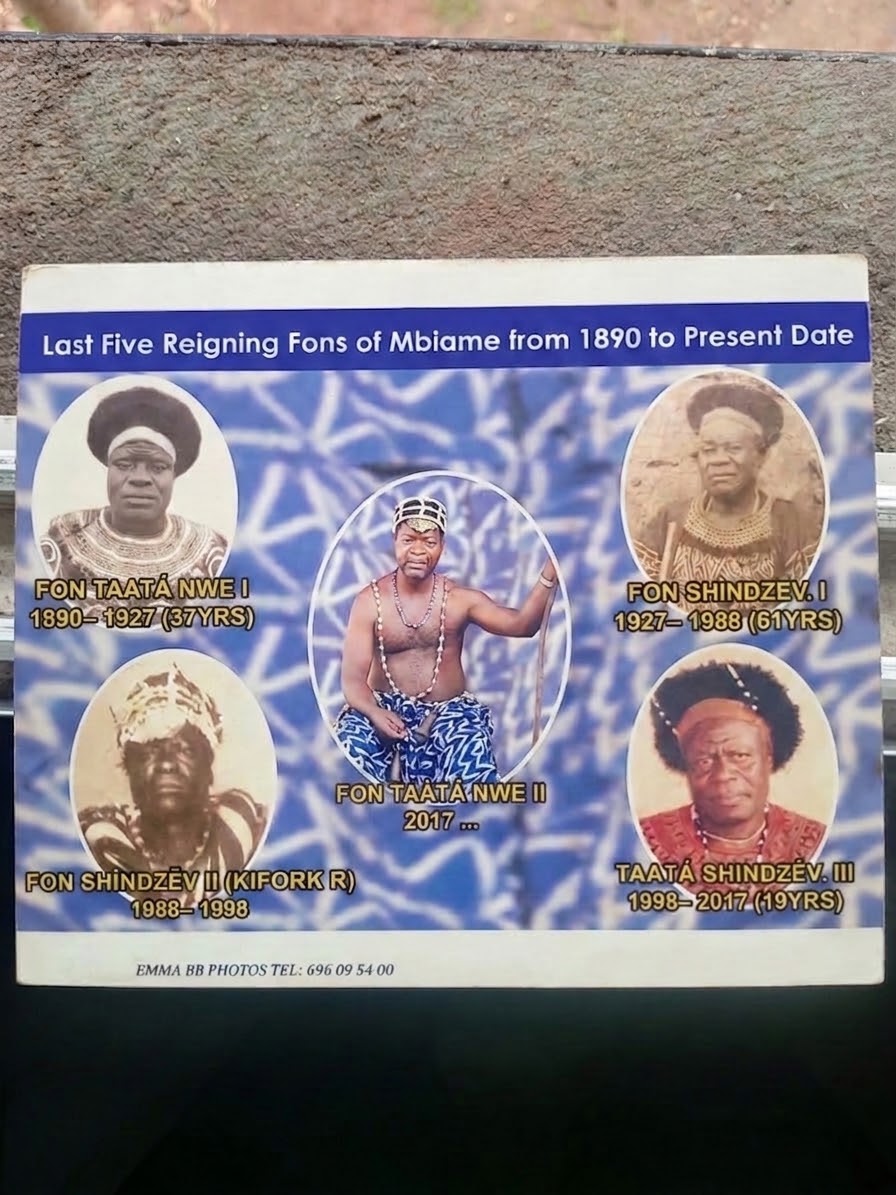
Fig 7: Last Five reigning Fons of Mbiame Fondom
A Period of Interrupted Succession
The genealogy reflects the difficult period experienced by Mbiame after the reign of Fon Tonkwa.
Mbiame historical sources associate the long period of instability with repeated Bamoun assaults on the different Mbiame settlement areas.
This instability helps explain why the succession record differs markedly between the earlier continuous sequence of Fons and the later period of migration and warfare.
Fon Kailang's appearance at different points in the succession is also connected to his reported capture by the Bamoun and subsequent return to Mbiame.
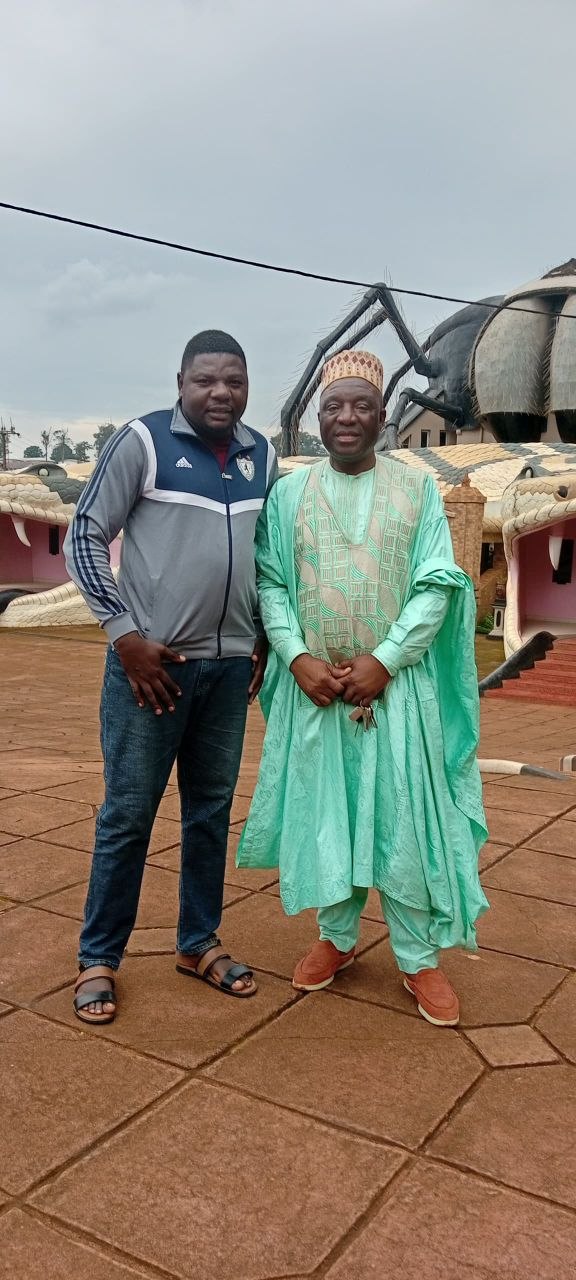
Fig 8: Pa Nji Oumarou Nchare, Director of the Foumban National Museum and Archives and Jude T. Berinyuy, Foumban Museum, 2025
Oral History as a Source of Mbiame History
The history of Mbiame has not been preserved only in written books.
A significant part of the historical record remains in the memories and testimonies of elders, palace authorities, traditional rulers, Queen Mothers and other custodians of Mbiame tradition.
Among the oral sources consulted for this history are:
- Taa Wanyu (Nkongme Emmanuel), interviewed in 2022. (Video Link here)
- Two elderly Queen Mothers of Mbiame Fondom, interviewed in 2022. (Video 1 link, Video 2 Link)
- Tangwa Usmaila Yulem, son of the late Shuufaay Kidzeh, interviewed in 2024.
- Pa Nji Oumarou Nchare, Director of the Foumban National Museum and Archives, interviewed in 2025. (Video Link here)
- Wirajing Godlove, traditional musical performer from Nseh, whose musical work preserves elements of the migration tradition. (Video Link here)
The testimony of Taa Wanyu is particularly valuable within Mbiame oral history. He has witnessed the reigns of four Mbiame Fons and served as a palace guard during this period. He later became a consultant and adviser on historical, cultural and traditional matters.
The participation of elderly Queen Mothers is also significant because it provides another generation of traditional memory through which Mbiame's migration history can be examined and preserved.
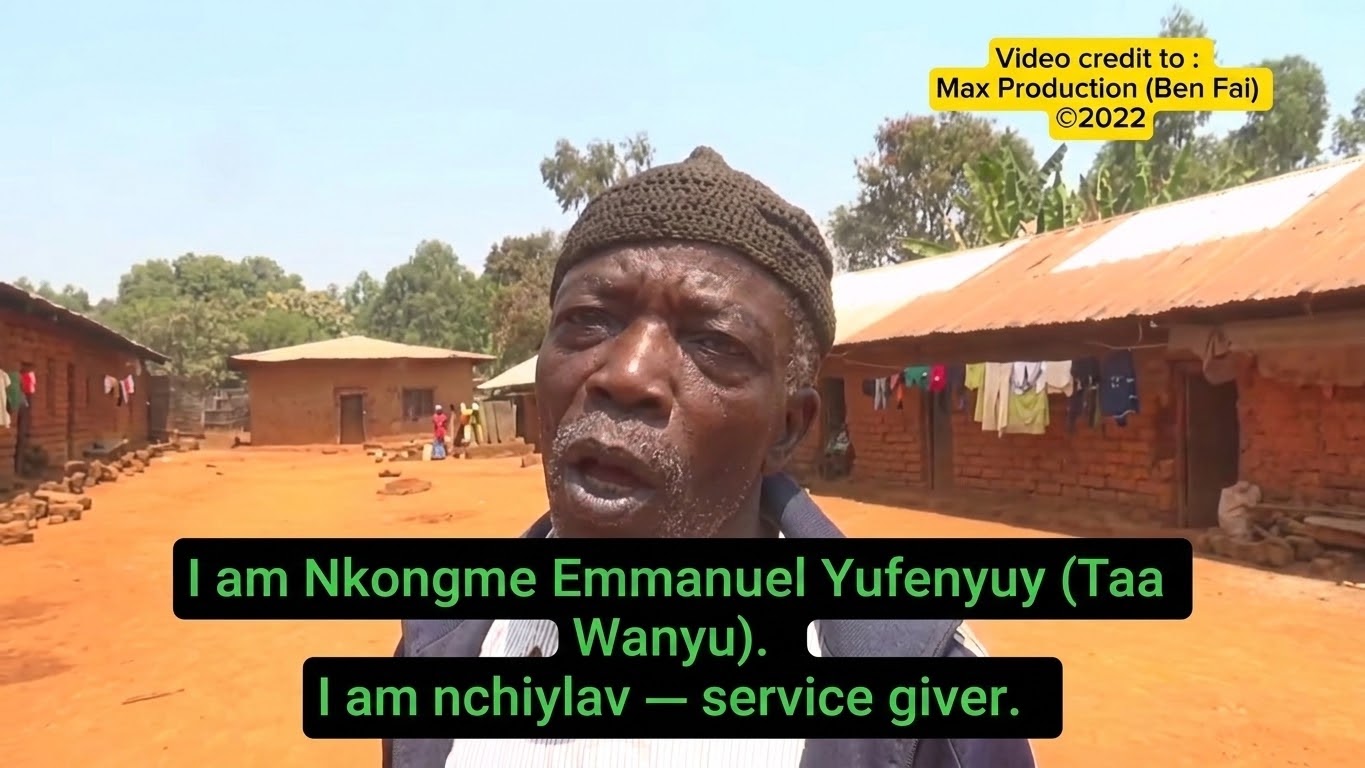
Fig 9: Taa Wanyu (Nchiylav Mbiame)
Why the Mbiame Migration Story Matters
The migration history of Mbiame is more than a record of places and dates.
It explains how the people maintained their identity despite repeated displacement.
Across centuries of movement, the Mbiame people carried with them their:
- Traditional institutions
- Palace authority
- Genealogy
- Cultural practices
- Oral traditions
- Collective memory
- Sense of territorial identity
The movement from one settlement to another did not erase Mbiame identity. Instead, each settlement became part of a larger historical journey that eventually led back to the ancestral homeland.
Conclusion
The history of Mbiame Fondom is a story of origin, movement, survival and return.
According to Mbiame oral tradition and the historical sources preserved by the Mbiame Palace and other custodians of its history, Mbiame traces its ancestry to the Tikar homeland and emerged as a distinct Fondom under Leh Mbijaame, traditionally dated to 1392.
From Ngou'Nso to Taam, Tiywong, Romelay Kovkinkar, Makob, Mbinon, Kai and Oku, the Mbiame people experienced centuries of migration shaped by warfare, insecurity and the search for a secure home.
Their eventual return to Romelai Kinkar and the later establishment of the palace at Rifem represent the culmination of a long historical journey.
Today, preserving this history is essential. The story of Mbiame is held not only in books and archives but also in palace traditions, oral testimonies, family histories, songs and the memories of elders.
Documenting these sources carefully ensures that the history of Mbiame remains available to future generations and that the story of the people is told through the knowledge preserved within Mbiame itself.
References
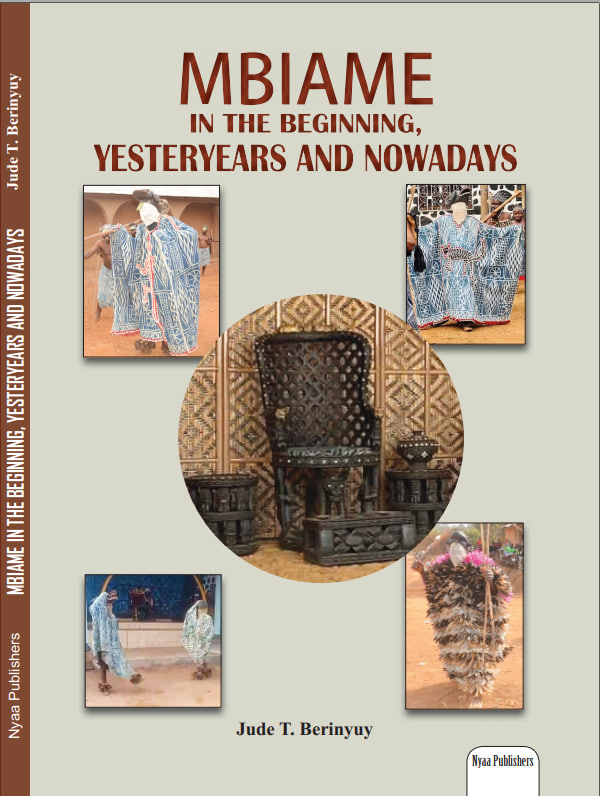
- Berinyuy, Jude. (2025). Mbiame in the Beginning Yesteryears and Nowadays. Yaounde: Nyaa Publishers.
- Berinyuy, Jude. (2022). Clash of Egos. Kansas, USA: Mairaclaire Publishing.
- Mbiame Palace Archives. Past and Current Documentation.
- Taa Wanyu (Nkongme Emmanuel). Interviewed in 2022 by Max Production.
- Mbiame Elderly Queen Mothers. Interviewed in 2022 by Max Production.
- Mformi Kimi. 1960s Manuscripts and Archives.
- Pa Nji Oumarou Nchare. Director of Foumban National Museum and Archives. Interviewed in 2025 by Mbiame Culture and Entertainment Page.
- Tangwa Usmaila Yulem. Last son of the late Shuufaay Kidzeh. Interviewed in 2024 by Mbiame Culture and Entertainment Page.
- Mbiame Council Development Plan: Elaborated with Financial and Technical Support from the National Community Driven Development Program (PNDP)( Published in 2012).
- 101LastTribes.com. Tikar.
- Wirajing Godlove. Traditional musical performer from Nseh. Video recorded on 3 May 2025 in Bafoussam.
Author: JUDE T. BERINYUY
Editor(s): AYUVEA ANGELO T. / JUDE T. BERINYUY