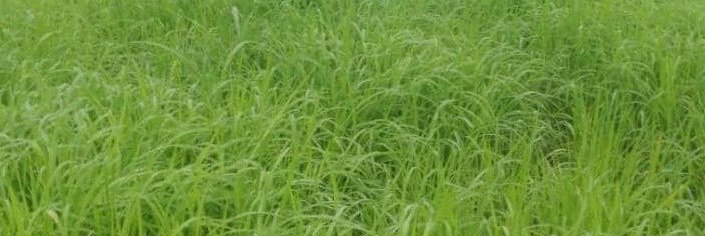
Mbiame, Where Fertile Lands Meet Human Ingenuity
At a Glance
- Location: Mbven Subdivision, Bui Division, North West Region of Cameroon
- Known For: Fertile agricultural land and hardworking people
- Economic Base: Agriculture, livestock farming, trade and small businesses
- Major Opportunities: Agro-processing, livestock production, eco-tourism, renewable energy and entrepreneurship
- Natural Resources: Fertile soils, grasslands, forests, streams, stone, clay, laterite and sand
- Greatest Strength: Its people—farmers, professionals, entrepreneurs and a vibrant youth population
- Future Vision: A modern rural economy built on agriculture, innovation and sustainable development
Introduction
Across the rolling hills, fertile valleys and hardworking farming communities of Mbiame Fondom lies a story that is still being written. It is the story of a community richly endowed with natural resources, resilient people and immense opportunities, yet whose full potential remains largely untapped.
Situated in Mbven Subdivision of Bui Division in the North West Region of Cameroon, Mbiame has long been recognized as one of the country's important agricultural communities. Its fertile soils, favorable climate and industrious population have sustained generations of farmers and supplied food to surrounding towns and cities.
Yet the future of Mbiame extends far beyond farming alone. With strategic investment, innovation and effective leadership, the Fondom possesses the ingredients needed to become a thriving center for agribusiness, entrepreneurship, rural industry and sustainable community development.
This article explores the immense opportunities that exist across Mbiame and why the Fondom is well positioned for long-term economic transformation.
In Case You Did Not Know
Mbiame rich volcanic soils, reliable rainfall and cool highland climate make it one of the most productive agricultural areas in Bui Division. These same natural advantages also create opportunities for agro-processing, livestock production, forestry and eco-tourism.
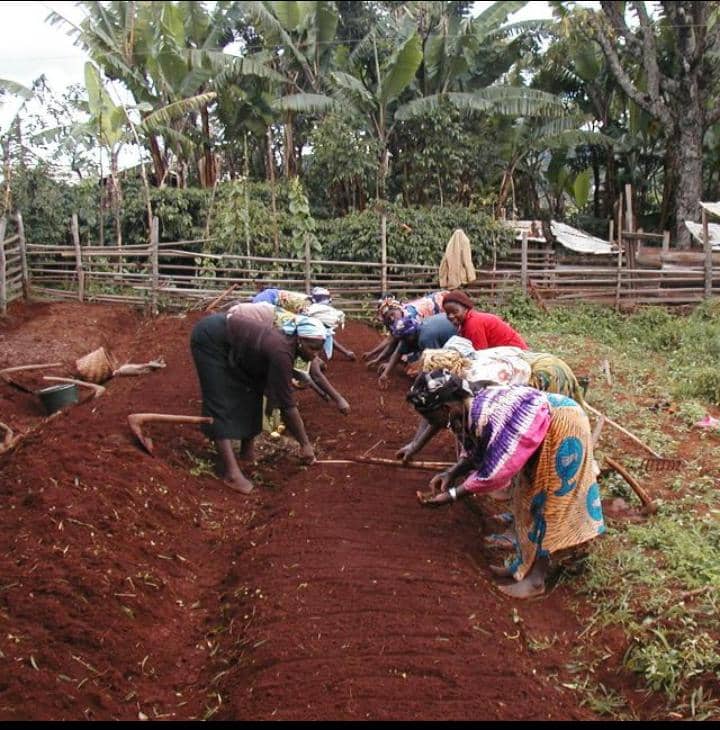
Fig 1: SOIL TILING IN MBIAME
A Land Blessed by Nature
Nature has generously endowed Mbiame with resources that many communities can only aspire to possess.
The Fondom enjoys:
- Fertile volcanic and loamy soils.
- Favorable rainfall throughout much of the year.
- Cool highland temperatures.
- Extensive valleys suitable for cultivation.
- Productive grasslands for livestock.
- Streams and wetlands that support irrigation and dry-season farming.
- Forested hills that contribute to biodiversity and environmental sustainability.
These natural conditions have made agriculture the foundation of the local economy for generations.
However, they also provide the basis for much broader economic development.
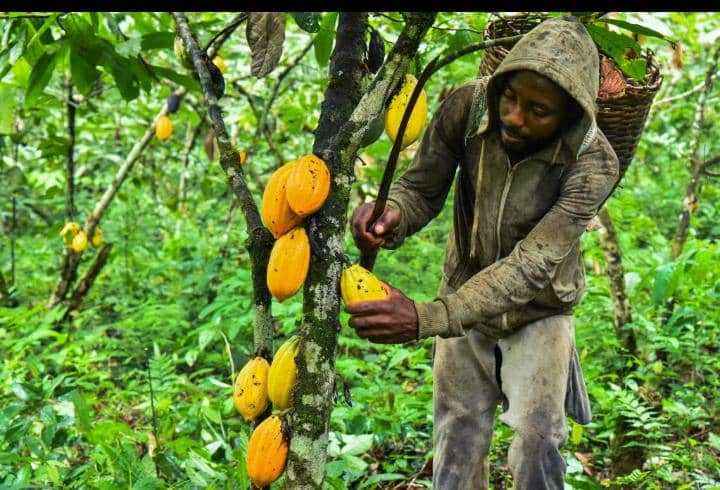
Fig 2: Cocoa Production in Mbiame
Natural Resources of Mbiame
Beyond agriculture, Mbiame possesses a variety of natural resources that can support future investment and community development.
| Resource | Potential Uses |
|---|---|
| Fertile agricultural land | Commercial farming and agro-processing |
| Grasslands | Livestock production and dairy farming |
| Forest resources | Sustainable forestry and beekeeping |
| Streams and wetlands | Irrigation, fish farming and water supply |
| Stone | Building and road construction |
| Laterite | Road construction and infrastructure |
| Clay | Brick making and pottery |
| Sand | Construction and public works |
Responsible management of these resources can stimulate economic growth while protecting the environment for future generations.
Agriculture: The Foundation of Prosperity
Agriculture remains the backbone of Mbiame's economy.
Across the Fondom, thousands of households depend on farming for food, employment and income. The fertile soils support a remarkable diversity of crops that are consumed locally and sold in markets across the North West, West and other regions of Cameroon.
Major crops include:
- Maize
- Beans
- Irish potatoes
- Sweet potatoes
- Cassava
- Cocoyam
- Rice
- Groundnuts
- Coffee
- Cocoa
- Soya beans
- Vegetables
- Fruit crops
- Sugarcane
Livestock farming is equally important, with many families rearing cattle, goats, sheep, pigs, poultry and rabbits as additional sources of income and nutrition.
_gxMiVnf.jpg)
Fig 3: Groundnuts Farming in Mbiame
Beyond Farming: The Next Stage of Growth
While agricultural production is already well established, the greatest opportunity lies in adding value to what is produced.
Instead of selling raw agricultural products, Mbiame can increasingly process, package and market finished products that generate higher incomes and create employment.
Imagine:
- Rice harvested in Mbiame being milled and packaged locally.
- Coffee processed into premium branded products.
- Fresh milk transformed into yogurt and cheese.
- Honey packaged under a recognized Mbiame brand.
- Vegetables processed to reduce post-harvest losses.
- Fruit converted into juices, jams and dried products.
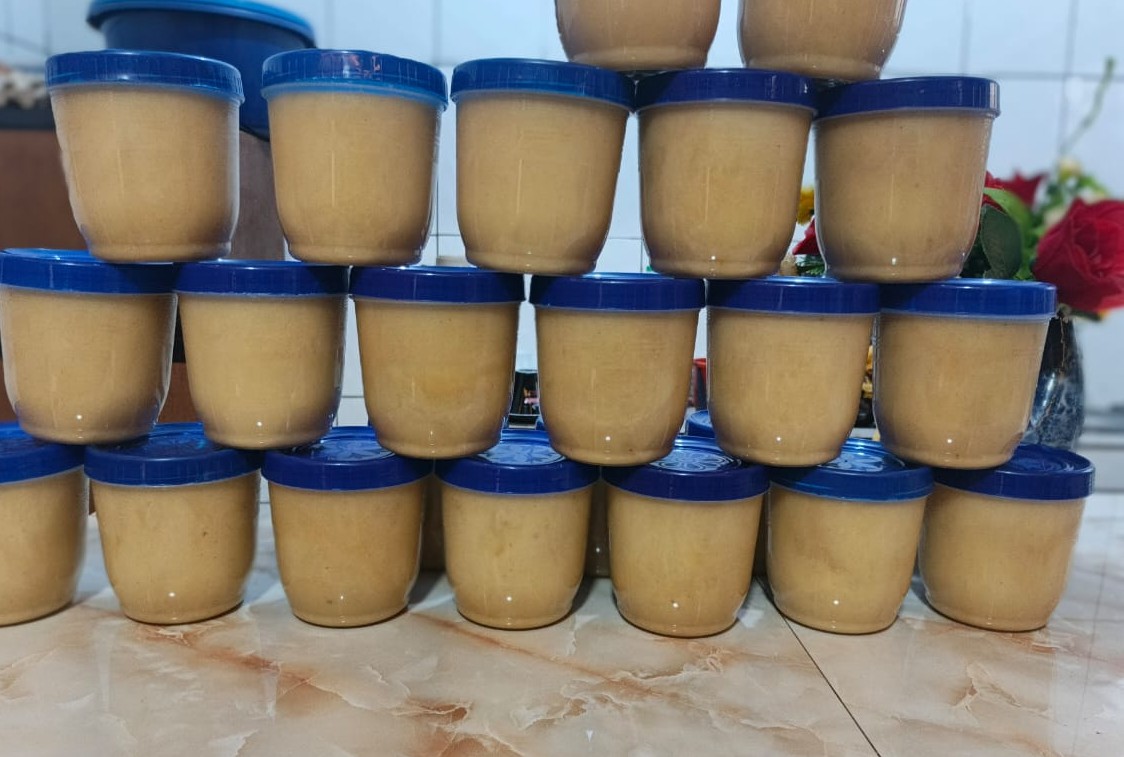
Fig 4: Packaged Mbiame Cream white Honey
The People: Mbiame Greatest Competitive Advantage
Natural resources alone do not create prosperous communities. The true strength of Mbiame lies in its people.
For generations, the people of Mbiame have demonstrated resilience, hard work and a strong sense of community. Whether on the farm, in the classroom, in business or in public service, they have continued to make meaningful contributions to the development of their Fondom and the nation.
Today, sons and daughters of Mbiame can be found across Cameroon and beyond, serving as:
- Farmers
- Teachers
- Healthcare professionals
- Engineers
- Entrepreneurs
- Civil servants
- Business leaders
- Researchers
- Skilled artisans
- Community development advocates
Their achievements reflect the determination and values that have long characterized the people of Mbiame.
A Youthful Population Full of Promise
One of Mbiame greatest assets is its youthful population.
Young people possess the energy, creativity and ambition needed to drive the next phase of the Fondom's development. With access to quality education, vocational training, digital skills and financial support, they can become successful entrepreneurs, innovators and employers rather than job seekers.
Encouraging youth participation in agriculture, technology, tourism, manufacturing and small businesses will help build a more resilient local economy while reducing rural unemployment.
The Role of Women in Community Development
Women have always played a central role in the social and economic life of Mbiame.
They contribute significantly to:
- Crop production
- Livestock farming
- Food processing
- Local markets
- Household welfare
- Community development initiatives
Women groups, savings associations and cooperative societies continue to support families, promote entrepreneurship and strengthen social cohesion across the Fondom.
Investing in women's education, access to finance and business opportunities will have lasting benefits for the entire community.
.jpg)
Fig 5: RICE CULTIVATION IN MBIAME
Opportunities Waiting to Be Seized
Mbiame offers numerous opportunities for investment and sustainable development across different sectors.
1. Agriculture and Agro-Processing
Agriculture remains the sector with the greatest immediate potential.
Investment opportunities include:
- Commercial crop production
- Rice milling
- Coffee processing
- Honey processing and packaging
- Dairy processing
- Vegetable preservation
- Fruit processing
- Seed production
- Agricultural mechanisation
Adding value to agricultural products will create employment while increasing farmers' incomes.
2. Livestock Production
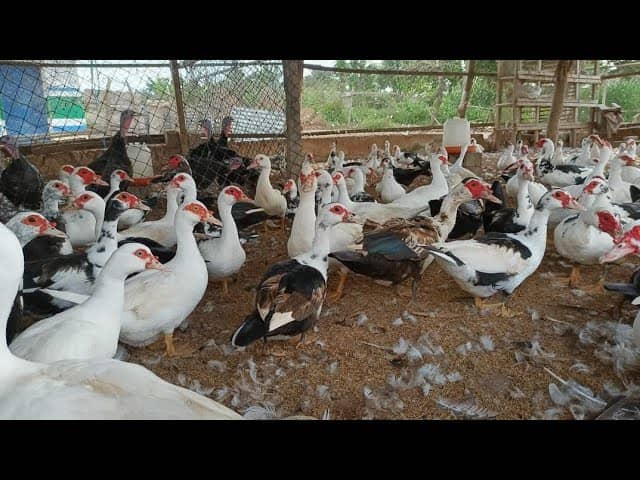
Fig 6 : Duck Rearing in Mbiame
Livestock farming has significant room for expansion.
Opportunities include:
- Dairy farming
- Milk collection and processing
- Modern poultry production
- Pig farming
- Sheep and goat production
- Fish farming
- Animal feed production
- Veterinary services
Improved breeding, animal health services and better market access can greatly increase productivity.
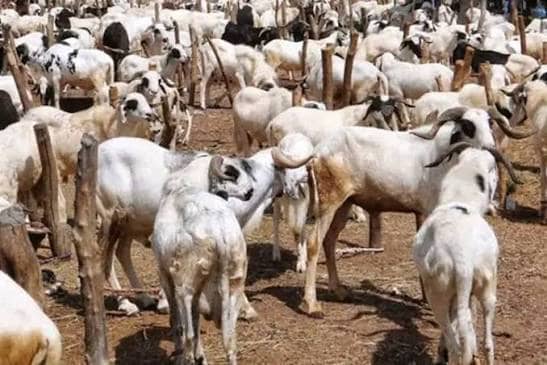
Fig 7: SHEEP REARING IN MBIAME
3. Tourism and Cultural Heritage
Mbiame possesses a rich cultural heritage and attractive natural landscapes that can support sustainable tourism.
Potential attractions include:
- Traditional festivals
- Palace traditions
- Scenic hills and valleys
- Community forests
- Agricultural tourism
- Cultural exhibitions
- Local cuisine
- Traditional crafts
Responsible tourism can generate income while preserving the Fondom's cultural identity.
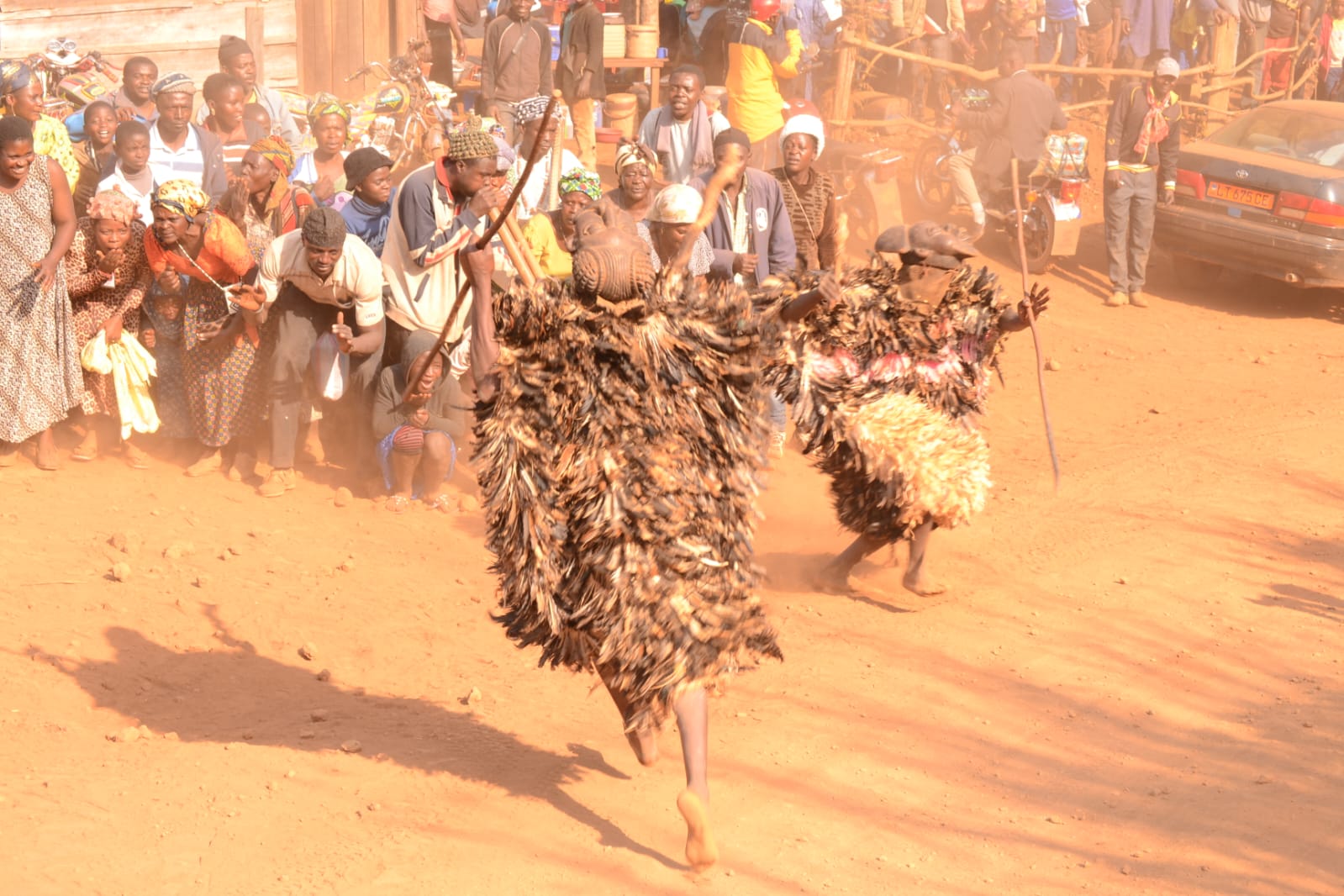
Fig 8: Mbiame Cultural Festival Display
4. Renewable Energy
Reliable electricity remains essential for development.
Mbiame has opportunities to expand:
- Solar energy
- Small hydro projects
- Biogas production
- Clean cooking technologies
Renewable energy can improve agricultural processing, education, healthcare and small business development.
5. Digital Innovation
The digital economy presents new opportunities for young people.
Possible areas of growth include:
- ICT training centres
- Digital entrepreneurship
- E-commerce
- Remote work
- Online education
- Business support services
Improved internet connectivity can help local businesses reach national and international markets.
Why Invest in Mbiame?
Mbiame possesses many of the qualities that investors and development partners look for in an emerging rural economy.
| Sector | Opportunity |
|---|---|
| Agriculture | Commercial farming and value addition |
| Livestock | Dairy, poultry and meat production |
| Agro-processing | Rice, coffee, honey, fruit and vegetable processing |
| Tourism | Eco-tourism and cultural tourism |
| Renewable Energy | Solar and small hydro projects |
| ICT | Digital entrepreneurship and training |
| Construction | Building materials and infrastructure development |
| Education | Vocational and technical training |
These sectors offer opportunities to create jobs, improve household incomes and stimulate long-term economic growth.
Challenges That Can Become Opportunities
Like many rural communities, Mbiame faces development challenges.
These include:
- Poor road networks.
- Limited storage facilities.
- Inadequate agro-processing infrastructure.
- Limited access to affordable finance.
- Youth unemployment.
- Limited digital infrastructure.
While these challenges slow development, they also represent opportunities for investment and innovation.
- Every improved road connects farmers to markets.
- Every processing facility reduces post-harvest losses.
- Every new business creates employment.
- Every trained young person strengthens the local economy.
A Shared Responsibility for Transformation
Unlocking the full potential of Mbiame requires a collective effort from all stakeholders. Sustainable development cannot be achieved by one institution alone; it depends on strong partnerships between government, traditional authorities, the private sector, development organizations, the diaspora and the local community.
The Role of Government
Government investment remains essential in creating an environment where businesses and communities can thrive. Priority areas include:
- Improving road networks.
- Expanding access to electricity and clean water.
- Strengthening healthcare services.
- Supporting quality education and vocational training.
- Enhancing agricultural extension services.
- Expanding digital connectivity.
- Encouraging private sector investment.
These investments lay the foundation for economic growth and improved living standards.
The Role of the Private Sector
Entrepreneurs and investors have an equally important role to play.
Investment in agriculture, agro-processing, renewable energy, tourism, construction and digital services can create employment while stimulating local economic activity.
Successful businesses also strengthen local supply chains, create markets for farmers and provide opportunities for young entrepreneurs.
The Role of Community Organizations
Across Mbiame, Farmers Cooperatives, Women Associations, Youth Groups and Community Development Association or organizations, as the case may be, continue to make significant contributions to local development.
Strengthening these institutions through training, improved governance and access to finance will help communities mobilize resources, share knowledge and undertake projects that benefit the wider population.
Community-led development has long been one of Mbiame's greatest strengths and will remain central to its future.
The Role of the Mbiame Diaspora
The sons and daughters of Mbiame living across Cameroon and around the world remain one of the Fondom's greatest assets.
Beyond financial support, members of the diaspora can contribute through:
- Business investment.
- Professional mentorship.
- Skills transfer.
- Technology and innovation.
- Educational support.
- International partnerships.
- Promotion of Mbiame's culture and tourism.
Their experience, networks and expertise can help accelerate development while strengthening the connection between Mbiame and the wider world.
Looking Ahead
History has shown that many prosperous economies began with productive rural communities that recognized their strengths and invested wisely in their future.
Mbiame already possesses many of the essential ingredients for sustainable development:
- Fertile agricultural land.
- Rich natural resources.
- A hardworking and resilient population.
- Strong cultural values.
- Entrepreneurial spirit.
- A strategic location within one of Cameroon's important agricultural regions.
The challenge now is to transform these strengths into long-term opportunities that improve the quality of life for present and future generations.
A Vision for the Future
Imagine a Mbiame where:
- Farmers supply modern agro-processing industries.
- Young entrepreneurs build successful local businesses.
- Well-maintained roads connect every village to major markets.
- High-quality honey, coffee, rice and dairy products proudly carry the Mbiame name.
- Visitors come to experience the Fondom's culture, history and natural beauty.
- Digital technology creates new opportunities for education, commerce and innovation.
- Sustainable development protects the environment while improving livelihoods.
This vision is ambitious, but it is achievable through planning, collaboration and responsible investment.
Conclusion
Mbiame Fondom is far more than a productive agricultural community. It is a land blessed with fertile soils, abundant natural resources, resilient people and enormous opportunities for growth. Its greatest strength lies not only in what nature has provided, but in the determination, ingenuity and community spirit of its people.
The future of Mbiame will be shaped by the choices made today. Every investment in agriculture, education, enterprise, infrastructure, tourism or innovation contributes to a stronger and more prosperous Fondom.
Mbiame already possesses the land, the people and the potential. What remains is the shared vision and collective commitment to unlock these opportunities for the benefit of present and future generations.
The journey toward sustainable development has already begun. With continued collaboration, responsible leadership and strategic investment, Mbiame can become a model for rural transformation and inclusive growth in Cameroon.
References
- Mbiame Council Development Plan (CDP), Programme National de Développement Participatif (PNDP), Cameroon.
- Mbiame Baseline Report (2018), Community Development Documentation.
- Republic of Cameroon, Ministry of Agriculture and Rural Development (MINADER), Agricultural Sector Reports and Extension Materials.
Author: PAUL FAI B.
EDITOR(s): AYUVEA ANGELO T./ JUDE T. BERINYUY